


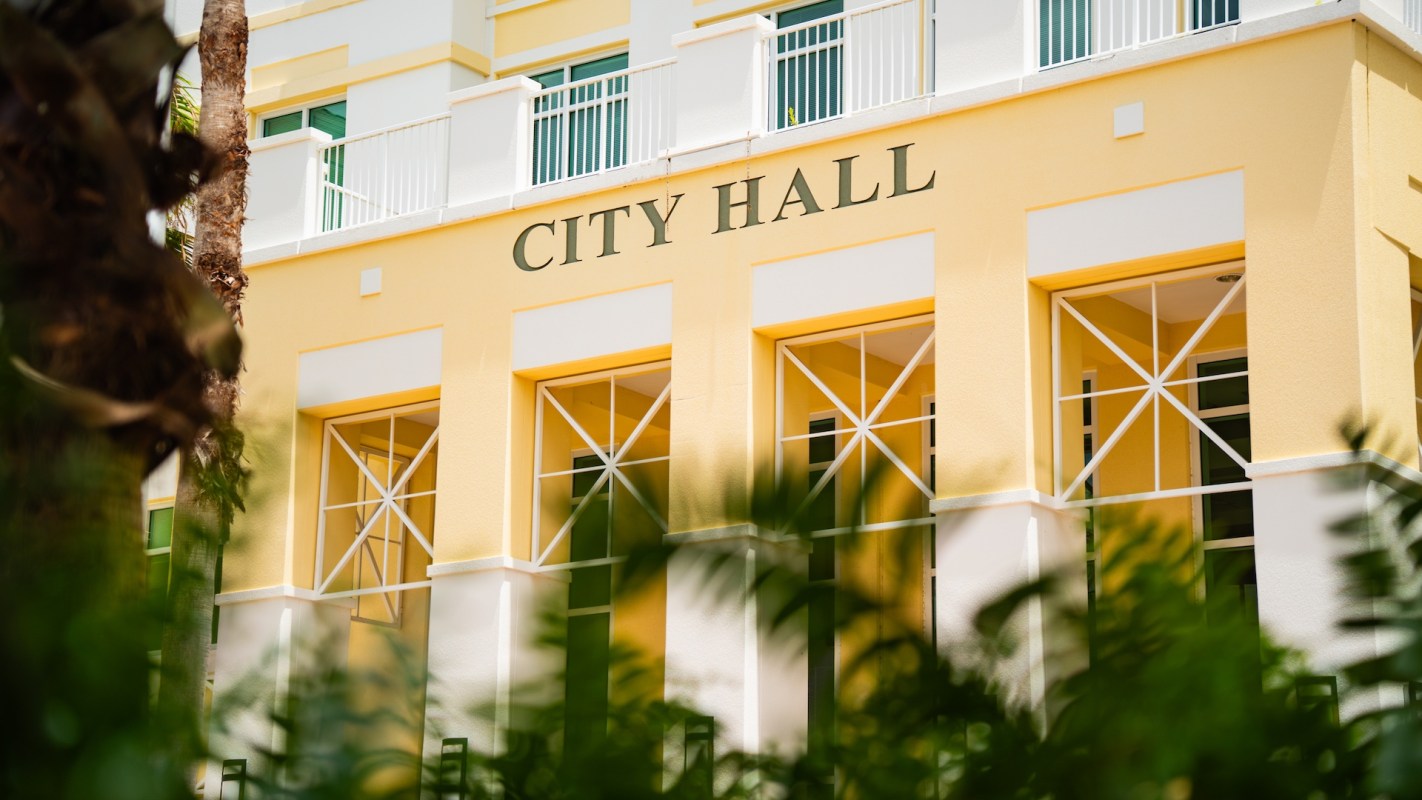
As North Port, Florida, considers the future of data centers, a residents group wants people to show up at City Hall to weigh in on how those facilities could affect electricity demand, water use, and utility costs.
The push comes after a community meeting drew more than 160 attendees, and organizers say more sessions are planned to help residents before decisions are made.
Here's what to know
According to The Daily Sun, Robin San Vicente of Team North Port Citizens Action Network invited residents to attend the group's meetings ahead of North Port's discussions about data centers.
One of those gatherings is set for 10:30 a.m. to 12:30 p.m. Saturday in the grassy area between City Hall and the George Mullen Activity Center.
"We're going to be supplying them with talking points that we've been hearing from them and by doing our own research so that they can make an informed and educated public comment," San Vicente told the outlet. "We're also going to be giving them the rules of decorum so they know what they can and cannot do at a commission meeting. How they're supposed to act and behave, basically."
The City Commission meeting that the group is preparing for will be held Aug. 31.
TCD Picks » Quince Spotlight
💡These best-sellers from Quince deliver affordable, sustainable luxury for all




The city has a separate workshop planned for Sept. 3, when representatives from Florida Power & Light as well as the Peace River Manasota Regional Water Supply Authority are expected to discuss electricity demand, water consumption, and infrastructure planning.
More background
Hyperscale data centers can place enormous new demand on local power grids and water systems.
In practice, that can mean pressure for more generation as well as transmission and utility infrastructure upgrades, costs that often ripple outward to everyday customers through higher rates and bills.
The issue is closely tied to the rise of artificial intelligence since energy-intensive data centers are needed to train models and run services.
AI can provide benefits, including helping utilities forecast demand and improve grid efficiency. Still, those gains come with significant trade-offs, including heavy electricity and water consumption, security concerns, misuse risks, and the possibility that communities bear higher costs.
Questions about where facilities are built, how much water they use, and how much power they require can affect local planning, environmental resources, and household budgets.

Get TCD's free newsletters for easy tips, smart advice, and a chance to earn $5,000 toward home upgrades. To see more stories like this one, change your Google preferences here.






