


A spell of dangerous heat is expected to hit New York City during a busy summer stretch marked by holiday gatherings and World Cup-related crowds. Forecasters say the heat index could climb above 100 degrees Fahrenheit as July 4 celebrations approach.
What's happening?
Gothamist reported that a ridge of high pressure moving over the eastern third of the country is likely to send New York City temperatures into the 90s beginning Wednesday and keep them there through at least Independence Day.
Bill Goodman, a National Weather Service meteorologist cited by Gothamist, said the region could reach the upper 90s by Thursday, while the urban corridor in northeastern New Jersey may see temperatures in the 100s.
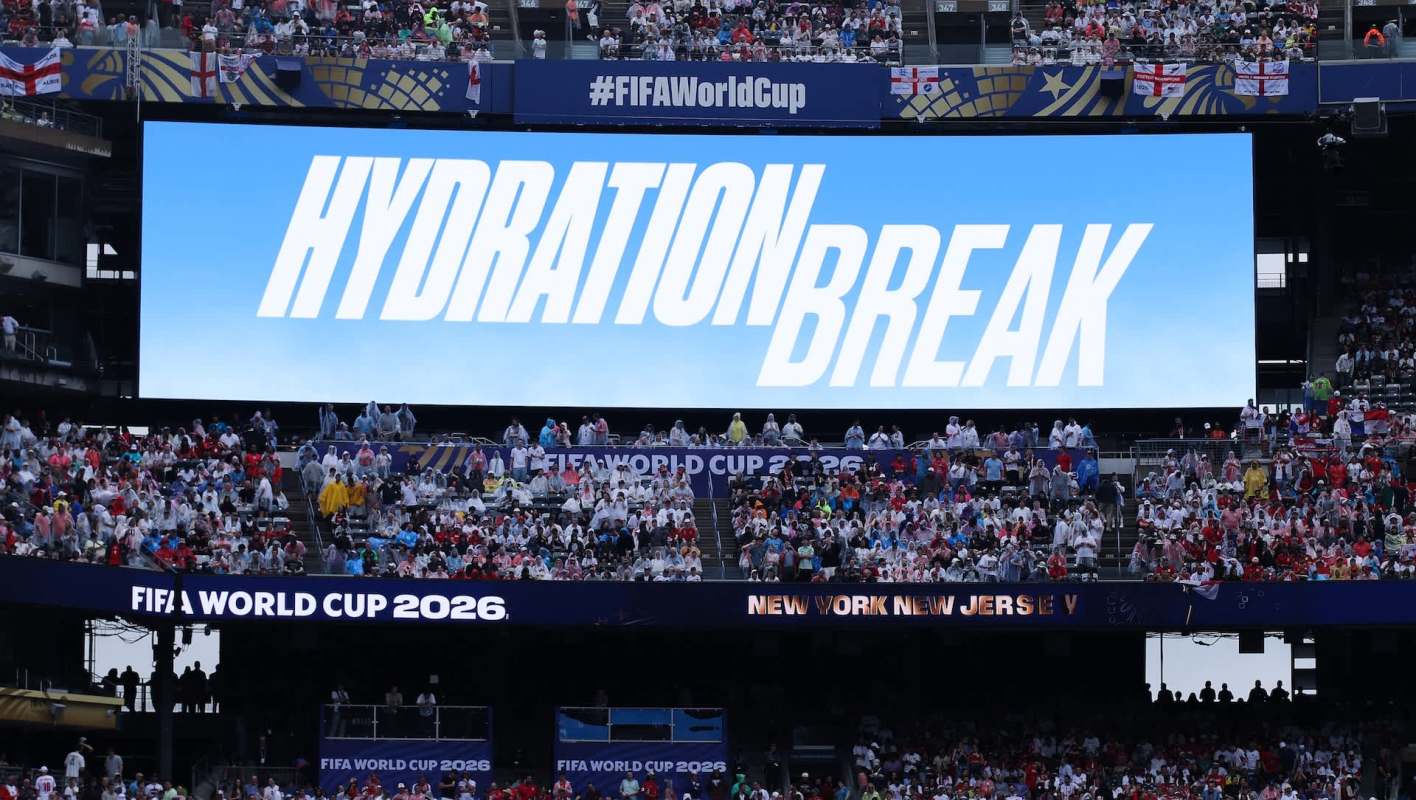
The timing adds pressure for the region, with World Cup matches scheduled at MetLife Stadium next Tuesday and large July 4 crowds expected in New York City.
City pools are already open, except for one in Red Hook, and cooling centers would open if temperatures remain above 95 degrees for two consecutive days. New York has not yet declared a heat emergency.
At the opening of the Thomas Jefferson Pool, Mayor Zohran Mamdani urged residents to prepare for the high temperatures and take the forecast seriously.
TCD Picks » Quince Spotlight
💡These best-sellers from Quince deliver affordable, sustainable luxury for all




Why does it matter?
In a dense city where pavement and buildings retain heat well after sunset, multiday heat waves can be especially dangerous. City officials estimate that New York City sees about 500 heat-related deaths each year, and Gothamist reported that city health department data shows average annual heat-stress deaths rose from five to seven over the past decade.
Worsening extreme weather puts lives and livelihoods at risk by straining hospitals, disrupting outdoor work, raising energy bills, and making transit systems and public spaces harder to use safely. For people without reliable air conditioning, older adults, individuals with chronic illnesses, and workers spending long hours outside, a multiday heat wave can quickly become a serious public health threat.
The forecast also underscores how Earth's warming is making already hot cities more dangerous. Hotter summers increase the risk of dehydration, heat exhaustion, and heat stroke, while businesses, event organizers, and local governments must spend more on emergency response and cooling infrastructure.
What's being done?
Officials are directing residents to nyc.gov/beattheheat for heat safety guidance and a map of cooling options, while the city's pools have already opened for the season.
If temperatures remain at especially dangerous levels, cooling centers are expected to open across the city. These spaces can provide a safer option for people without air conditioning or who need relief during the hottest part of the day.
Officials are also working to raise awareness before temperatures peak, rather than waiting until conditions become hazardous.

Get TCD's free newsletters for easy tips, smart advice, and a chance to earn $5,000 toward home upgrades. To see more stories like this one, change your Google preferences here.






