


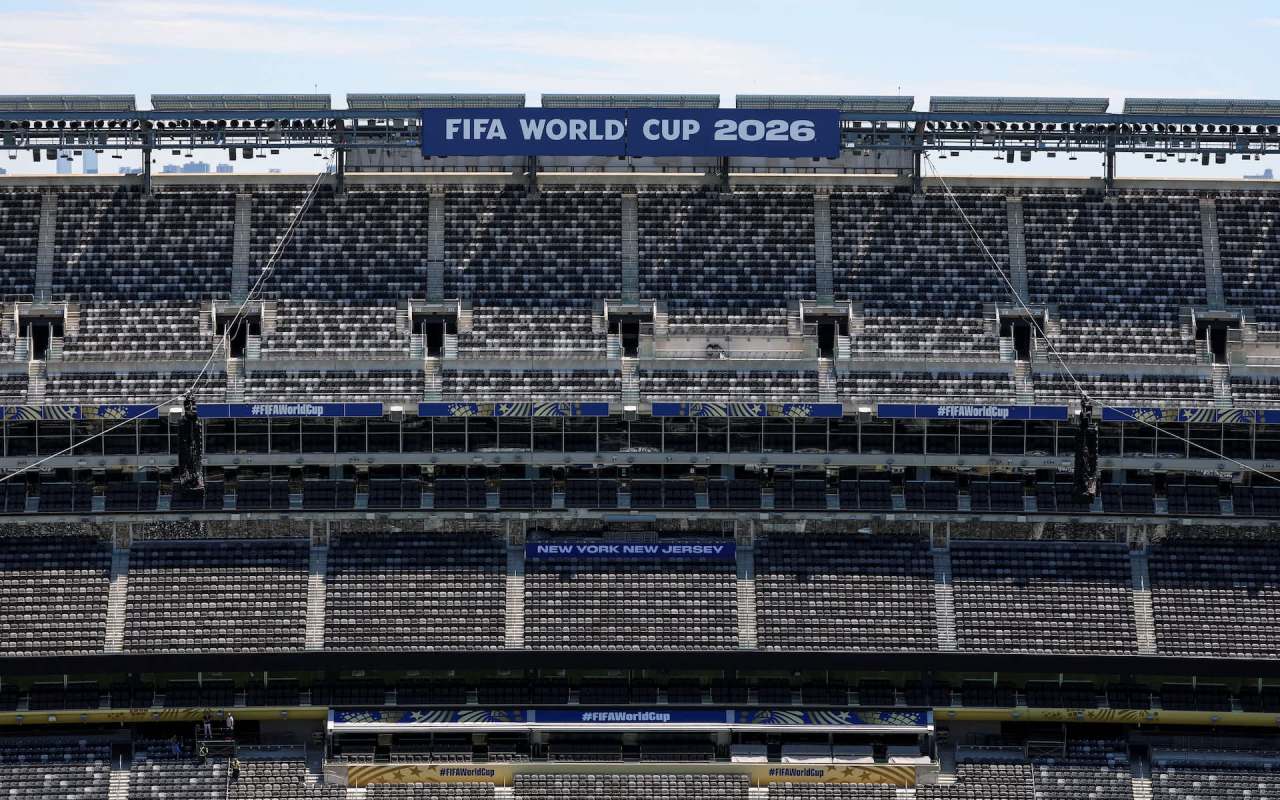
The 2026 FIFA World Cup may bring more than high-stakes drama. A new analysis warns that extreme heat could create dangerous temperatures at several matches.
With the tournament set for June and July in the United States, Mexico, and Canada, researchers say conditions could be even riskier than they were at the 1994 World Cup, which the U.S. also hosted.
What's happening?
According to Inside Climate News, researchers at Imperial College London estimated that five matches in the 2026 World Cup may happen in unsafe heat, up from three during the 1994 tournament in the U.S. The report said climate change has sharply increased the odds of those conditions across all 16 host cities.
The analysis uses "wet bulb globe temperature." This measure accounts for heat, humidity, and sun to reflect how stressful conditions are on the human body.
FIFPRO, the international players' union, recommends postponements when that level reaches 83 degrees Fahrenheit. FIFA, by contrast, currently considers delaying matches only when temperatures are above 90 F.
The report also found that nearly one in four tournament matches may happen while the temperature is above 79 F. Even the final, set for July 19 at New Jersey's MetLife Stadium, carries a measurable chance of reaching dangerous heat levels.
TCD Picks » Quince Spotlight
💡These best-sellers from Quince deliver affordable, sustainable luxury for all




Why is this extreme heat so important to pay attention to?
Extreme heat can affect the quality of play and put athletes at real risk. Fans can also face dehydration and heat illness.
Experts say high temperatures and dehydration can raise heart rate, speed muscle fatigue, and strain the body's ability to cool itself. As reported by Inside Climate News, Chris Mullington of Imperial College London noted that a 30 degrees Celsius day (86 F) can feel very different depending on humidity, sun exposure, and wind.
"High humidity reduces the evaporation of sweat, limiting the body's primary cooling mechanism," he explained.
Current and former pro players are sounding the alarm as well. In an open letter, 60 players urged FIFA to strengthen its heat rules before the World Cup. They said dangerous heat can leave athletes "light-headed, dizzy, experience fatigue, muscle cramps and worse."
What are people doing to address extreme heat?
In addition to the open letter to FIFA, players are asking the organization to update its heat protocols. They want FIFA to address climate impacts by ending fossil fuel sponsorships and cutting travel-related emissions where possible.
Meanwhile, heat safety experts are pushing for more immediate protections.
Douglas Casa of the Korey Stringer Institute said FIFA should expand cooling options in locker rooms and consider extending hydration breaks from three minutes to six. He also suggested aggressive cooling at halftime to help players recover before returning to the field, according to Inside Climate News.
Casa said organizers should also install free places to refill water bottles inside stadiums for fans. Right now, FIFA's stadium code of conduct allows spectators to bring empty bottles for refills at fountains or dispensers, but they generally restrict outside drinks.

Get TCD's free newsletters for easy tips, smart advice, and a chance to earn $5,000 toward home upgrades. To see more stories like this one, change your Google preferences here.






