


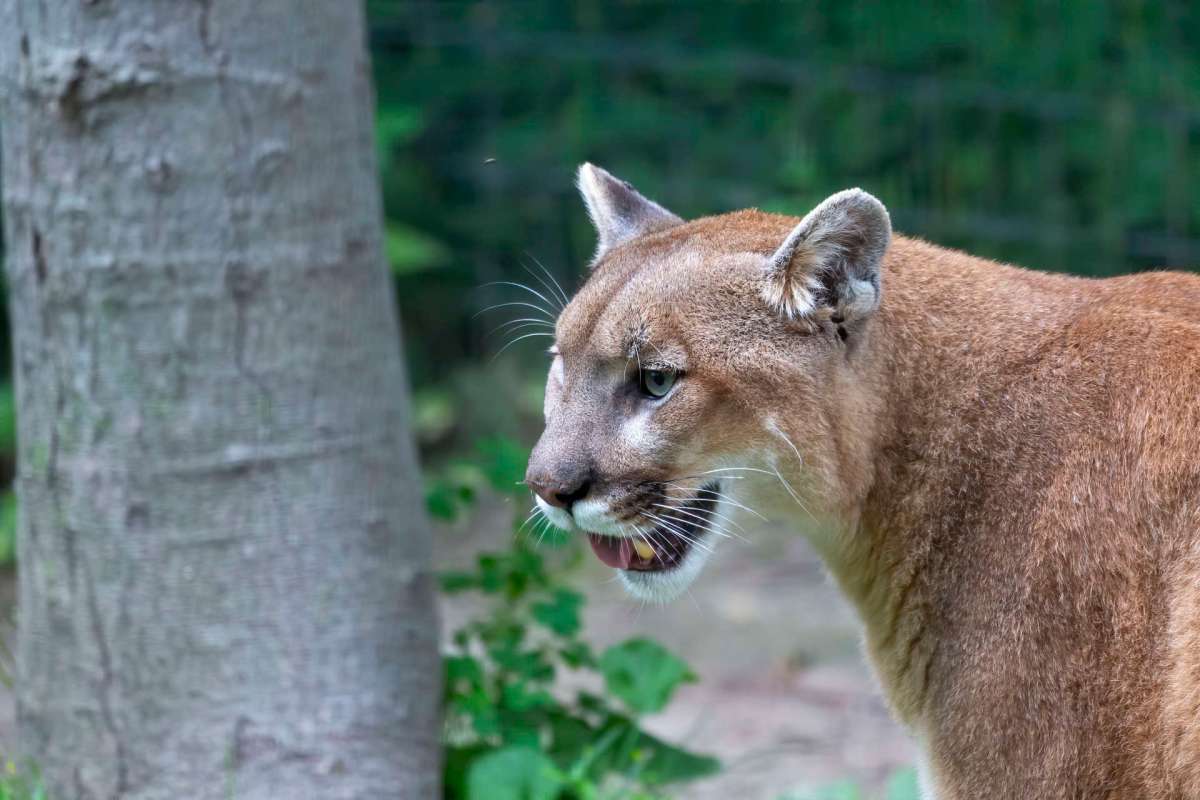
Drivers in the American West may be getting an unexpected assist from mountain lions. Although the animals are often framed as a threat, new research suggests their presence could make roads safer for people.
In the study, areas with mountain lions were associated with a 67% reduction in deer-vehicle collisions, a vivid reminder that functioning ecosystems can produce practical benefits in daily life.
What happened?
The study, published in the journal Current Biology and highlighted by SFGATE, reported that places inhabited by mountain lions saw 67% fewer crashes involving deer.
That effect may come from more than the deer the predators directly kill. Mountain lions can also influence how deer behave, causing them to move more cautiously and gather less in ways that would otherwise increase the odds of entering traffic.
The finding circulated on Reddit under the title "Study finds mountain lions reduce deer-vehicle collisions by 67%." In the discussion, one commenter added, "I would imagine they would also have a similar effect on the spread of chronic wasting diseases and Lyme disease."
Rather than reinforcing the usual fear around the species, the study suggests mountain lions may be easing one of the most widespread and expensive forms of human-wildlife conflict.
TCD Picks » Quince Spotlight
💡These best-sellers from Quince deliver affordable, sustainable luxury for all




"When we talk about pumas, we often focus on the risks they pose," Mark Elbroch, an ecologist for Panthera and a study author, said in a statement cited by SFGATE. "But we rarely stop to consider the many ways they benefit us as well. Living alongside large carnivores isn't simply about protecting wildlife; it's about protecting the many ways they quietly benefit us every day."
Why does it matter?
A collision with a deer is not just a nuisance. These crashes can maim or kill people, total vehicles, kill wildlife, and add pressure to emergency responders.
That means any reduction tied to predator conservation gives communities a reason to view wildlife protection as a civic benefit, not merely an environmental one.
It also reshapes the broader conversation about large carnivores. Mountain lions are still contentious in some regions, yet native predators can stabilize ecosystems in ways humans do not always notice immediately.
When deer numbers and movement are kept in better balance, the consequences can extend well beyond the animals themselves, affecting both vegetation and road safety.
What's being done?
The findings strengthen the case for coexistence strategies that work for both wildlife and people.
Habitat protection, less fragmentation, and the construction of wildlife crossings can all help animals travel across the landscape without being funneled onto highways.
People behind the wheel can also cut risk by slowing down in wildlife corridors, staying alert during low-light hours, and watching for deer crossing signs.
Communities may further improve safety over time by backing local conservation efforts and transportation projects.

Get TCD's free newsletters for easy tips, smart advice, and a chance to earn $5,000 toward home upgrades. To see more stories like this one, change your Google preferences here.






