


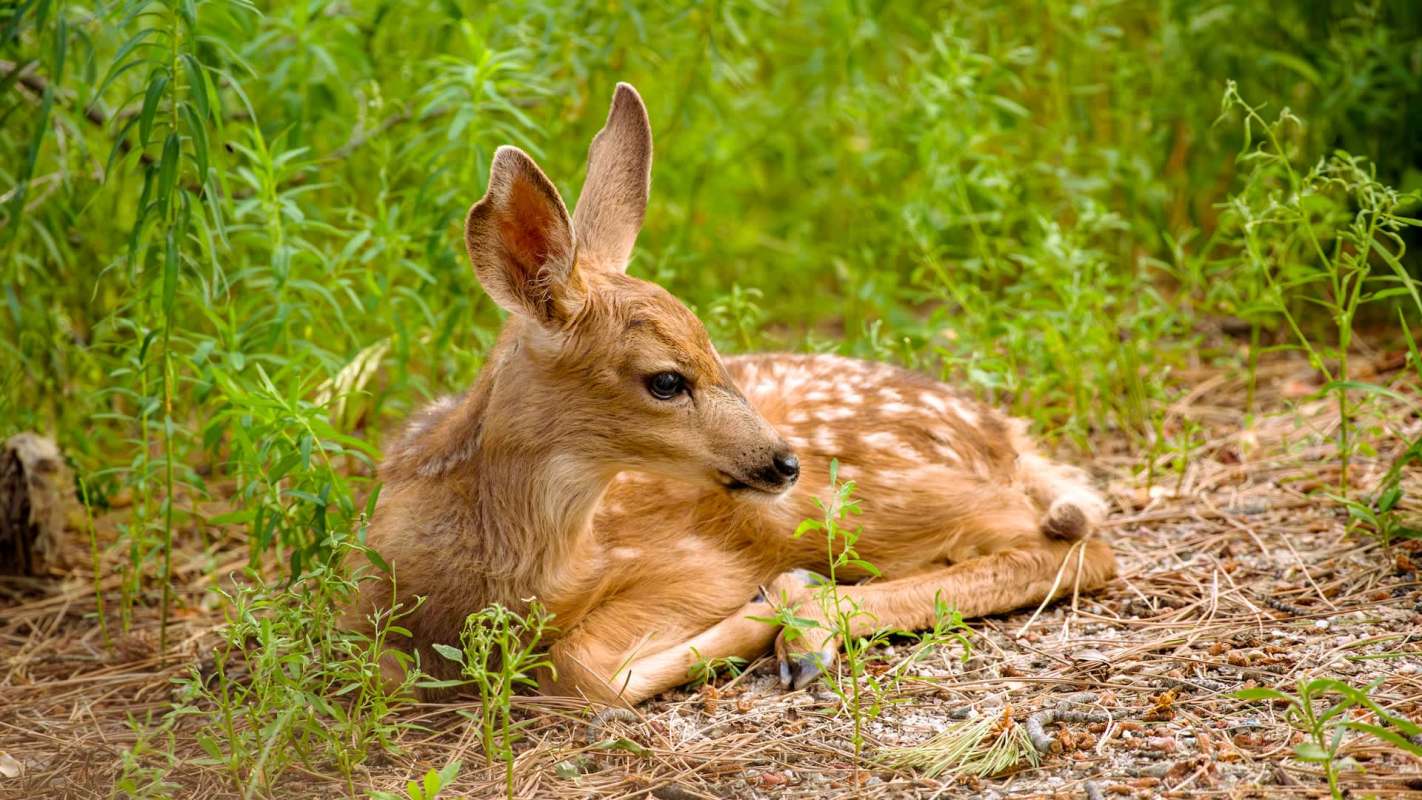
A wildlife rehabilitation center in Georgia is gaining national attention after taking in 40 fawns this spring after vehicle crashes left many of them orphaned.
What happened?
Without intervention, the fawns would have had little chance of survival.
According to a report from People Magazine, after road accidents killed their mothers, the young animals are being bottle-fed, closely monitored, and cared for through a rehabilitation effort in Canton, with the goal of eventually releasing them back to the wild.
The work is especially urgent because fawns are highly vulnerable in the first weeks of life. Without their mothers, they can quickly become dehydrated, malnourished, or easy targets for predators.
Care is being shaped around future survival, not human attachment. The aim is to keep the animals healthy while protecting the instincts they will need once they are back in the wild.
Why does it matter?
The case reflects a broader issue affecting both animals and people: wildlife-vehicle collisions. For drivers, these crashes can be dangerous and costly. For local ecosystems, they can kill nursing mothers and leave young animals with almost no chance of surviving on their own.
TCD Picks » Quince Spotlight
💡These best-sellers from Quince deliver affordable, sustainable luxury for all




Wildlife rehabbers and animal-care nonprofits often step in during these crises, taking on labor-intensive work that ranges from round-the-clock feedings to medical monitoring and release planning.
Returning healthy animals to the wild helps sustain local deer populations and supports the balance of surrounding ecosystems.
What's being done?
At the rescue center, every part of the care routine is meant to prepare the fawns for life after rehab, including meeting their nutritional needs, keeping human contact limited, and slowly guiding them toward independence.
If you're concerned about the risk of hitting a deer on the road, there are practical steps you can take to avoid wildlife collisions.
Because deer are most active around dawn and dusk, slowing down and staying alert at those times can help reduce the risk of accidents.
And, if you discover a fawn alone, experts generally advise against intervening right away unless the animal is clearly injured or in immediate danger, since mother deer often leave their young hidden while they forage.
And, if an animal is endangered or orphaned, calling in professionals can ensure they get proper care so they do not become attached to humans.
"We have to respect that they're not pets," rescue center volunteer Kimberly Steinberg told People. "They do belong in the wild. So you have to, I think, practice some restraint."

Get TCD's free newsletters for easy tips, smart advice, and a chance to earn $5,000 toward home upgrades. To see more stories like this one, change your Google preferences here.







