


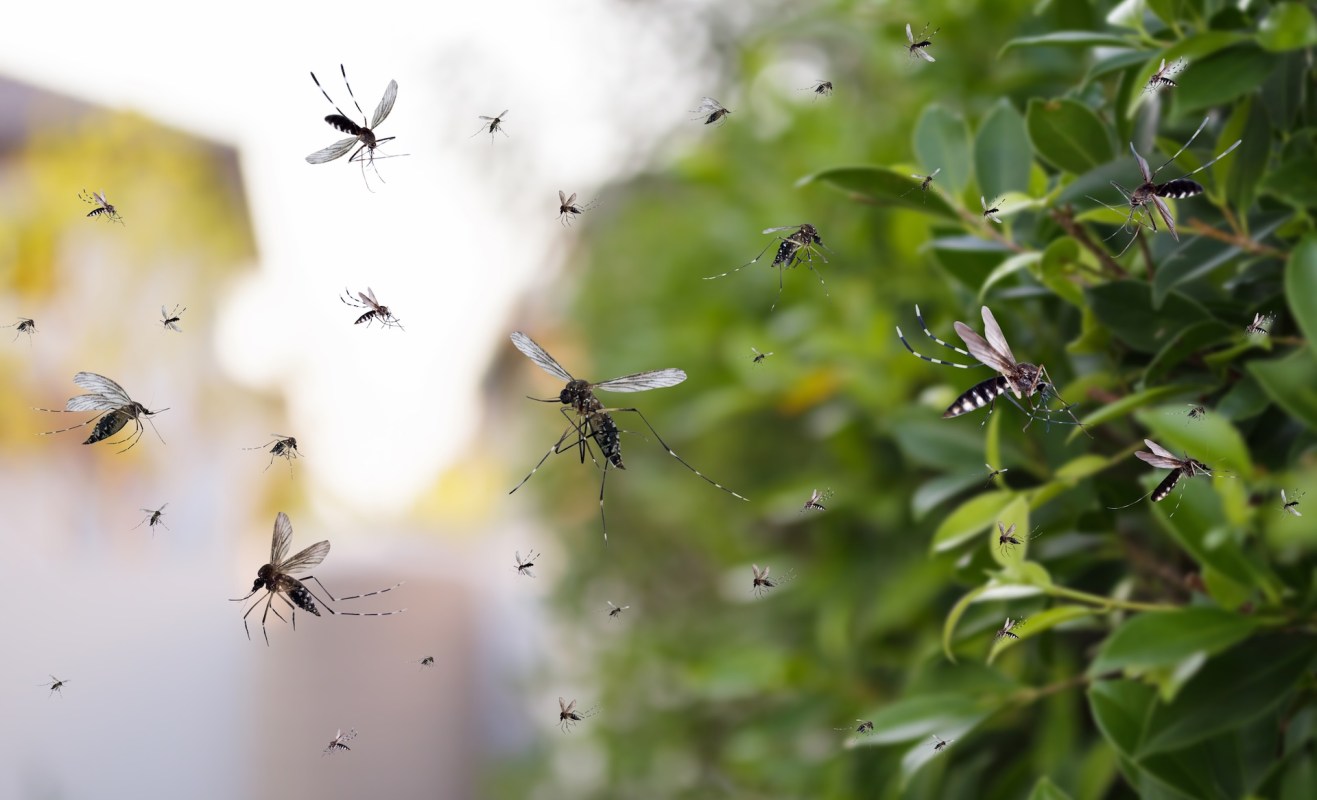
Even though mosquitoes are now a year-round problem in Southern California, this is the time of year when bites — and the public health risks tied to them — typically rise, as West Nile activity increases and officials track an invasive species that can spread dengue, Zika, and yellow fever.
What's happening?
Southern California is heading into that stretch with early warning signs already appearing. As LAist reported, federal public health officials say West Nile activity across the country is at its highest level in about 20 years, and infected mosquito numbers are rising unusually early in the region.
In parts of Los Angeles County, June brought West Nile-positive mosquito counts that are more typical of a later point in the season.
So far, the number of human infections is still relatively low. LAist reported two cases this summer in Southern California — one in the Antelope Valley and one in Long Beach. Still, Dr. Aiman Halai with the Los Angeles County Department of Public Health told LAist, "Having two cases reported in our area is not unusual. It's already July."
Health officials are also keeping watch on Aedes aegypti, an invasive mosquito that can transmit dengue, Zika and yellow fever. LAist reported that this species was responsible for the dengue outbreak in L.A. County in 2024.
"We saw local transmission of dengue happening, and that is obviously a great concern to us, and that's something that we're trying to avoid," Steve Vetrone with the Greater Los Angeles County Vector Control District said.
TCD Picks » Quince Spotlight
💡These best-sellers from Quince deliver affordable, sustainable luxury for all




Why does it matter?
The stakes are significant. The California Department of Public Health reported that West Nile is the state's leading serious mosquito-borne disease.
Most infected people never develop symptoms, but when symptoms do occur, they may include fever, body aches, rash, nausea, vomiting, and headaches. A smaller share of infections become much more dangerous. LAist reported that roughly 1 in 150 infected people develop major complications, including brain inflammation and paralysis. West Nile has no vaccine or specific treatment.
West Nile is typically passed to humans by native Culex mosquitoes after they have fed on infected birds. Dengue spreads differently, which is why local health agencies are closely tracking the spread of Aedes aegypti.
What's being done?
To manage the threat, vector control agencies are relying on both established tactics and newer methods.
Crews inspect places where water can collect — such as flowerpots, gutters, storm drains, ponds, and neglected pools — because those sites can serve as mosquito breeding areas. LAist reported that some agencies also use satellite imagery to locate backyard trouble spots, and officials may apply pesticides when infestations are severe.
One newer method receiving close attention is the Sterilized Insect Technique, or SIT, which targets Aedes aegypti. As LAist reported, agencies release sterilized male mosquitoes, which do not bite, so they can mate with wild females without producing viable offspring. Over time, that can reduce the overall mosquito population.
The San Gabriel Valley Vector Control District started releasing 30,000 sterilized mosquitoes a week near Bassett Park this summer and expects that total to reach nearly 500,000 by late October. Similar programs have also been launched in Sunland-Tujunga, and Orange County's program has focused on Mission Viejo.
For now, the advice for residents is much simpler: Dump standing water, clean gutters, and remove anything around the home that can collect water.
Tristan Hallum, a scientist with the San Gabriel Valley Vector Control District, said officials are "trying to identify the best possible way to alleviate some of this bite pressure for our residents."

Get TCD's free newsletters for easy tips, smart advice, and a chance to earn $5,000 toward home upgrades. To see more stories like this one, change your Google preferences here.






