


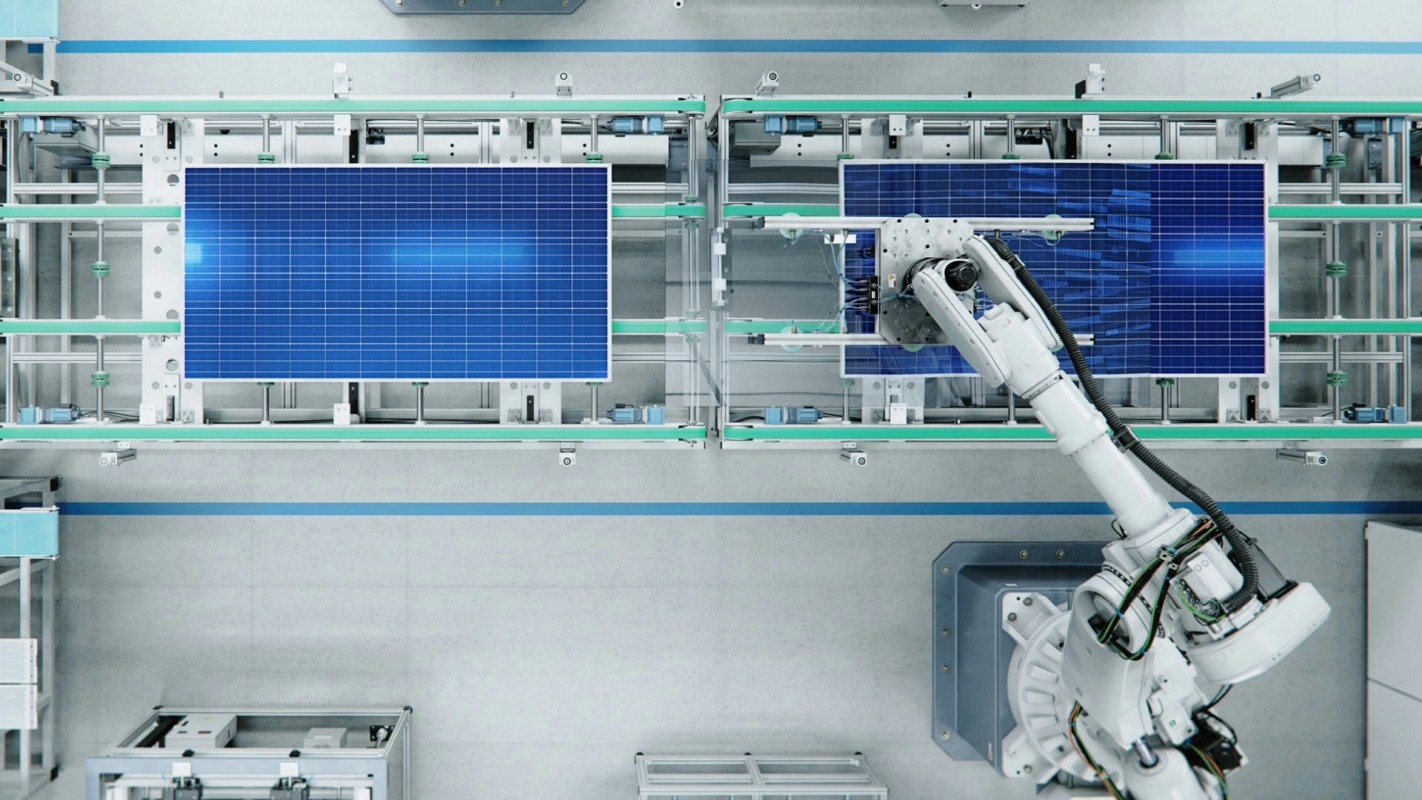
Solar panels today cost less than 1% of what they did in the 1970s, and that staggering drop is the result of decades of breakthroughs across multiple industries. A new MIT study uncovers the network of innovations — from advanced semiconductors to automated permitting software — that slashed prices and made solar power accessible to homes, businesses, and cities nationwide, according to a release.
The MIT team analyzed both photovoltaic (PV) modules, the panels themselves, and balance-of-system (BOS) components like wiring, inverters, and mounting systems. By combining a detailed quantitative cost model with a qualitative review of technological advances, they identified 81 major innovations since 1970 that directly reduced costs. These ranged from antireflective glass coatings and write-sawing techniques for silicon wafers to fully online permitting systems that speed up installation.
"Scientific and engineering advances, often at a very basic level, are at the heart of these cost reductions. A lot of knowledge was drawn from different domains and industries, and this network of knowledge is what makes these technologies improve," said study senior author Jessika Trancik.
Interestingly, many breakthroughs came from outside the solar industry. Innovations in semiconductors, metallurgy, electronics, and even petroleum technologies shaped PV module costs, while software engineering, permitting, and utility practices influenced BOS costs. Together, these developments cut material waste, streamlined manufacturing, and reduced delays on construction sites, making solar cheaper and faster to deploy.
The study also points to the future: robotics, AI-driven tools, and automated engineering review systems could drive the next wave of cost reductions. By identifying which innovations work best, companies and policymakers can prioritize research, ultimately making renewable energy even more affordable and reliable.
"Although the process of technological innovation may seem like a black box, we've shown that you can study it just like any other phenomena," Trancik said.
TCD Picks » Quince Spotlight
💡These best-sellers from Quince deliver affordable, sustainable luxury for all




With these advancements, the benefits extend far beyond the technology itself. Homeowners can slash energy bills, cities can power infrastructure more cost-effectively, and businesses can rely less on expensive fossil fuels. Expanding solar adoption also reduces air pollution, improves air quality, and lowers health risks associated with polluting gases.
Beyond cutting costs and reducing pollution, solar panels offer a practical way for homeowners and businesses to take control of their energy use. Rooftop installations can bring electricity bills close to zero, and platforms like EnergySage make it simple to compare quotes from vetted local installers, helping save thousands on setup. Once your home runs on solar, powering other efficient appliances, like heat pumps, becomes even cheaper, and Mitsubishi can help you find the right heat pump for your home.
|
What's the biggest concern you'd have about getting solar panels? Click your choice to see results and speak your mind. |
 The cost 💰
Join our free newsletter for weekly updates on the latest innovations improving our lives and shaping our future, and don't miss this cool list of easy ways to help yourself while helping the planet.






