


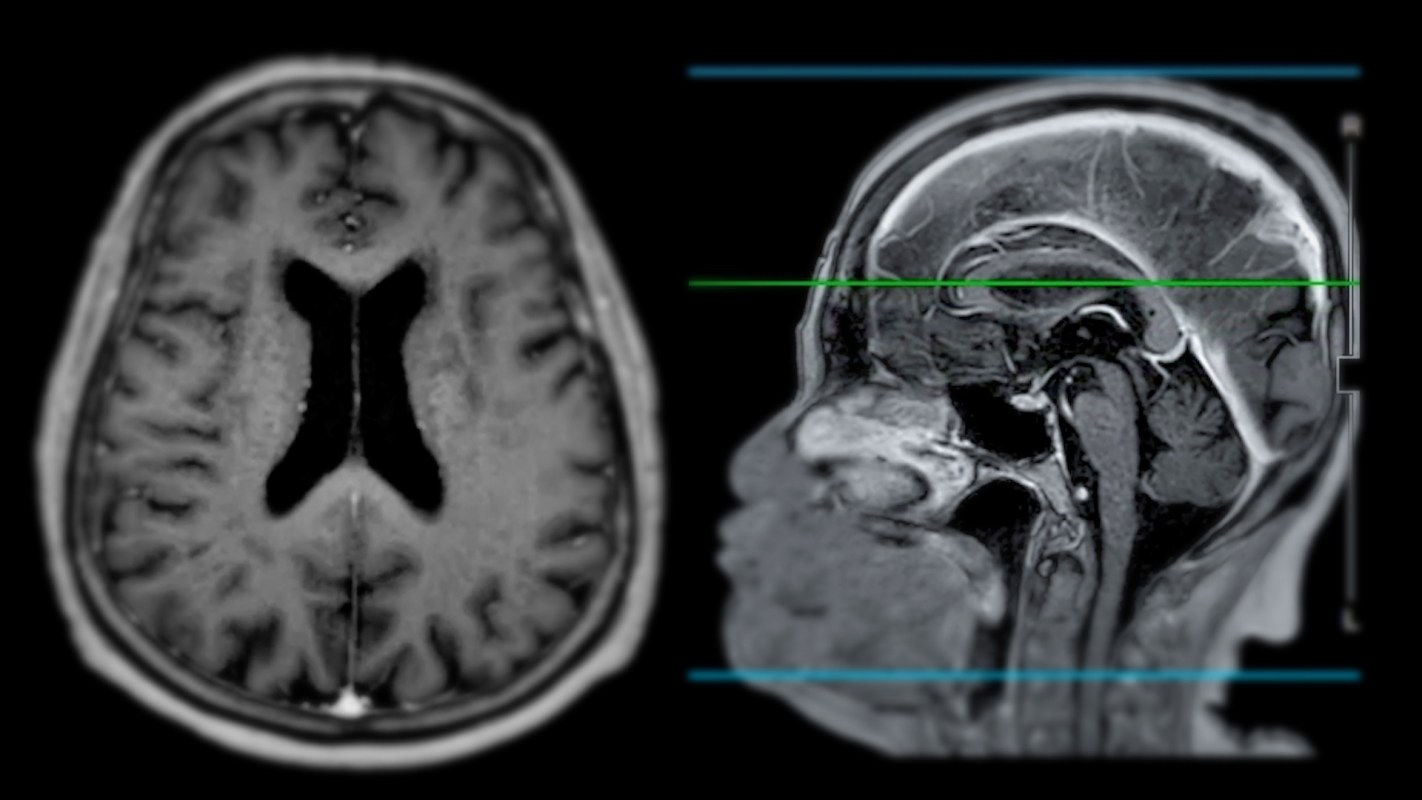
Microplastics could be a factor contributing to the rising incidence of Parkinson's disease.
What's happening?
A recent review of the scientific literature indicates that microplastics and even smaller nanoplastics may interfere with certain brain processes associated with Parkinson's disease.
The review, forthcoming in its final edited version from the journal npj Parkinson's Disease, identifies these tiny plastic particles as a "potential, emerging environmental hazard," as summarized by News Medical Life Sciences in late January.
The co-authors of the review relied on a variety of studies that explored how microplastics can interact with biological systems and focused on three exposure routes: ingestion, inhalation, and dermal contact.
"From protein misfolding to gut-brain signaling, emerging evidence suggests that everyday plastic exposure may intersect with key biological processes implicated in Parkinson's disease," according to News Medical Life Sciences.
Why is this research important?
This review helps synthesize previous work on the link between microplastics exposure and Parkinson's disease. This is critical, as diagnoses of Parkinson's disease cases are steadily rising around the globe. While age appears to be the primary risk factor, several studies have implicated microplastics as a possible contributor.
TCD Picks » Quince Spotlight
💡These best-sellers from Quince deliver affordable, sustainable luxury for all




In one previous experiment, researchers fed mice small amounts of polystyrene for three months and found that the rodents had a damaged intestinal lining and higher liver inflammation, factors that can be linked to the development of Parkinson's disease.
Another study that used mice found a possible link between nanoplastics entering nerve cells and Parkinson's.
While the science on the connections between microplastics and potential human health impacts is still emerging, researchers have investigated the potential for exposure to contribute to serious issues, from cancer to neurodevelopmental conditions and reproductive health concerns.
What's being done about microplastics?
To mitigate exposure, some scientists are focusing on developing methods for removing microplastics from the air, water, food, and soil. In just one example, a research team discovered that egg whites can be used to get microplastics out of ocean water.
|
Which of these savings plans for rooftop solar panels would be most appealing for you?
Click your choice to see results and speak your mind. |
 Save $1,000 this year 💸
 Other research and policy priorities include stopping microplastics at their source by cutting down on single-use plastic items such as shopping bags, forks, and spoons. Numerous local and national governments are implementing laws banning these items to curb their use and, ultimately, production.
The country of Georgia, for example, recently announced that manufacturers and importers will no longer be allowed to produce (unless for export), import, or sell a variety of single-use plastics, including cutlery, containers, cups, and lids.

Get TCD's free newsletters for easy tips to save more, waste less, and make smarter choices — and earn up to $5,000 toward clean upgrades in TCD's exclusive Rewards Club.






