


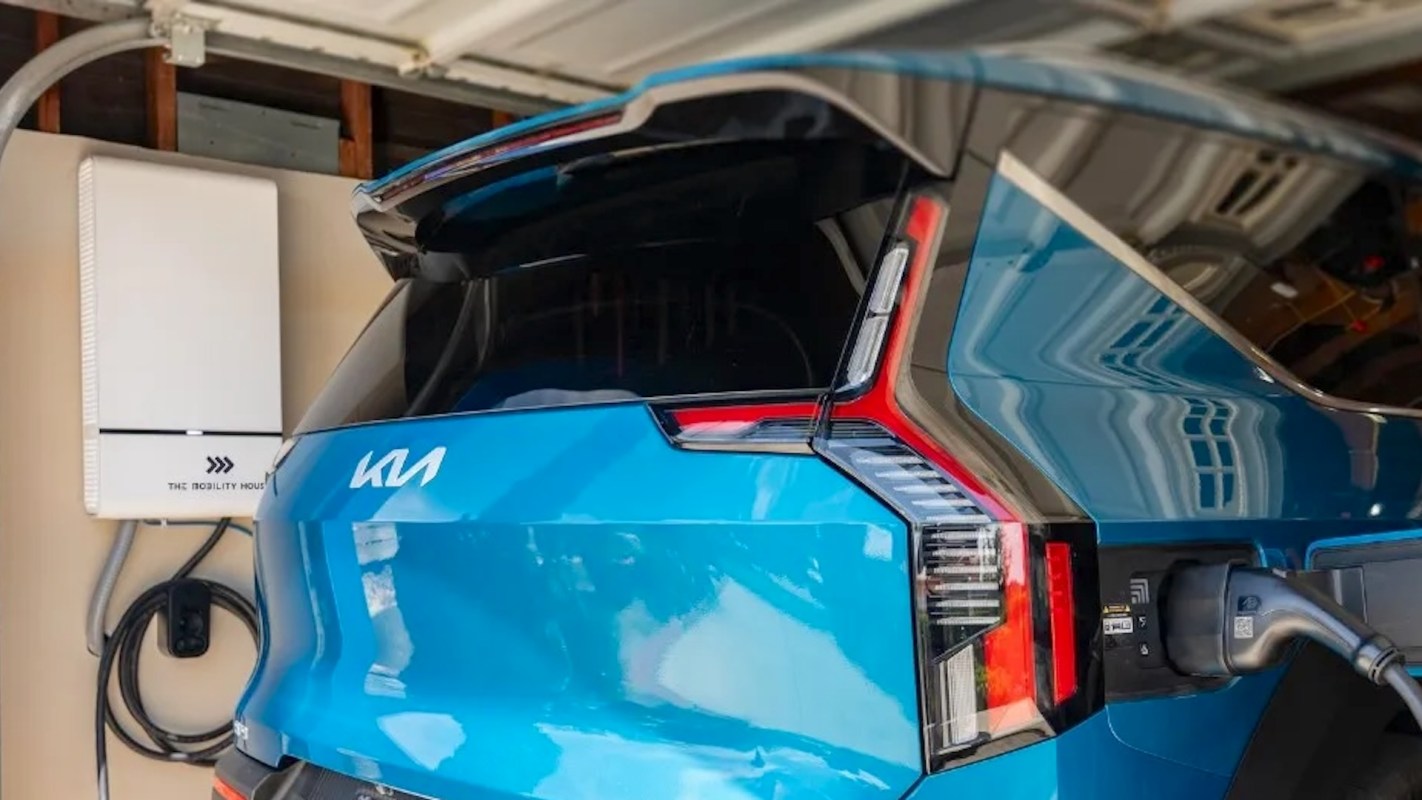
Massachusetts is looking at electric vehicles as more than just cleaner cars. The state is increasingly treating them as energy tools that could help support the grid.
As PV Magazine reported, officials are preparing to expand the state's virtual power plant program so some residents could eventually get paid to send electricity from their EV batteries back to the grid.
What's happening?
The next move for Massachusetts' ConnectedSolutions program is to allow vehicle-to-grid, or V2G, participation at residential homes, the outlet noted. The program has previously been used only in smaller deployments with school buses and certain commercial vehicles, but this expansion would open it to more typical drivers.
ConnectedSolutions spans the three New England states of Massachusetts, Connecticut, and New Hampshire, per PV Magazine. At homes, it signs up devices such as thermostats, water heaters, and batteries, while the commercial side includes specialized industrial equipment.
Massachusetts said more than 150,000 EVs are already on its roads. At an average of 75 kilowatt-hours per vehicle, that adds up to a bit more than 12 gigawatt-hours of potential storage that compares favorably with statewide deployment of just under 1.6 gigawatt-hours in June 2026, according to the Solar Energy Industries Association.
A program spokesperson told Electrek that the initial eligible models include the Ford F-150 Lightning, Nissan Leaf, Kia EV9, Polestar 3, and Volvo EX90.
TCD Picks » Quince Spotlight
💡These best-sellers from Quince deliver affordable, sustainable luxury for all




Participating owners would be paid in a way that mirrors the existing home-battery structure. Mass Save lists $275 per average kilowatt contributed during summer events, which works out to about $1,375 to $2,750 for residential participants, PV Magazine noted.
Why does it matter?
An EV parked at home during periods of heavy electricity use could help support the grid while also bringing in seasonal payments.
For home batteries, the payouts have already added up. Preliminary filings from program administrators to the Massachusetts Energy Efficiency Advisory Council show that 5,251 participants received more than $5.4 million during the 2025 season.
In Massachusetts, ConnectedSolutions batteries delivered roughly 40 megawatts of net summer capacity savings in 2025, PV Magazine said. Residential systems provided 28.9 megawatts of that amount.
The outlet noted that kind of peak reduction mattered during a June 2024 heat wave, when utilities said the wider ConnectedSolutions virtual power plant lowered demand on the New England grid by more than 375 megawatts.
Bringing peaks down can improve reliability, reduce strain in extreme weather, and lessen the need for the most expensive power sources. The strategy of tapping into EVs to aid the grid is being deployed elsewhere, like in Denmark.
What's being done?
ConnectedSolutions also works alongside Massachusetts' Clean Peak Energy Standard, so enrolled batteries may be able to qualify for both programs.
For 2025 through 2027, the program is targeting about 125 megawatts of battery performance capacity, according to PV Magazine.
The outlet added that The Mobility House has been involved in putting bidirectional chargers in place at homes, school buses, municipal, and commercial sites. The pilot will use EnergyHub's Edge DERMS platform to coordinate dispatch, while Sunrun already offers V2G service to Ford F-150 Lightning owners.
If the rollout succeeds, Massachusetts drivers may soon get paid not only to skip the gas pump, but also to help keep the lights on during the hottest days of summer.

Get TCD's free newsletters for easy tips, smart advice, and a chance to earn $5,000 toward home upgrades. To see more stories like this one, change your Google preferences here.






