


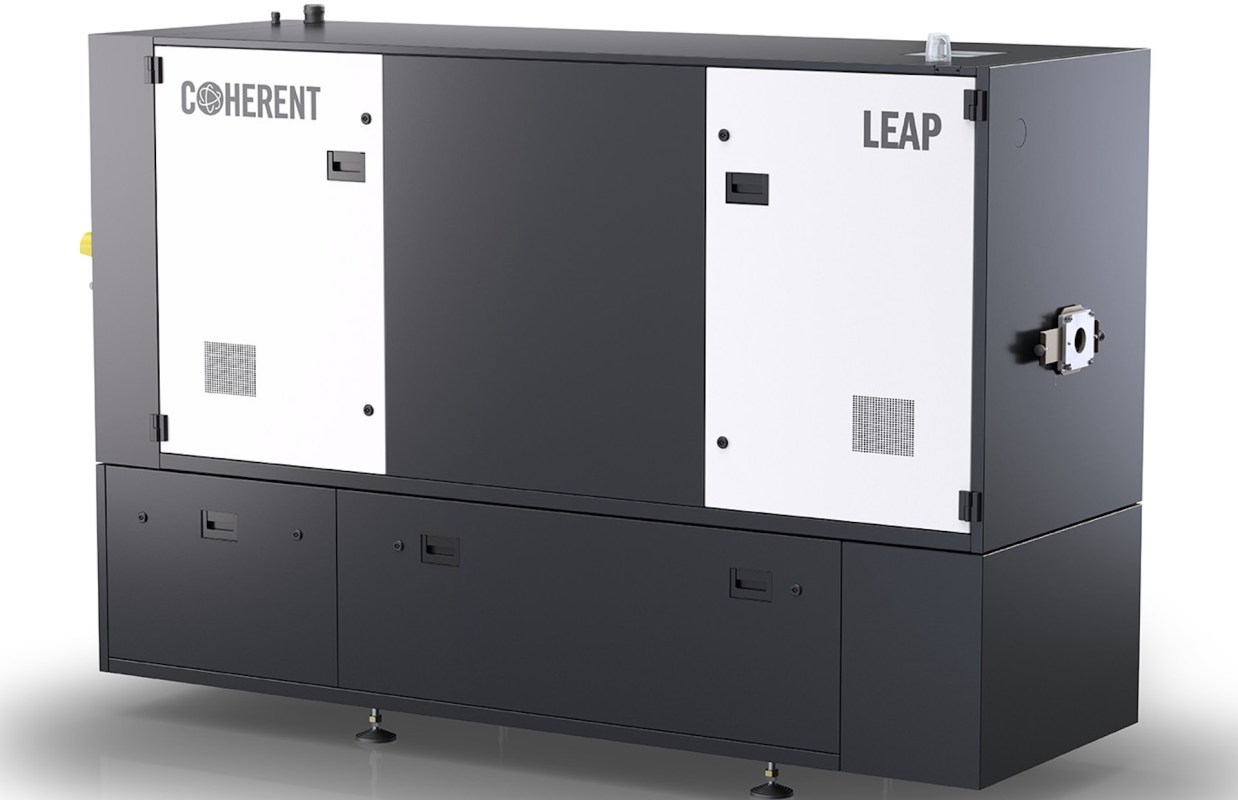
A powerful new laser could help bring clean, limitless fusion energy closer to reality — and faster. Coherent Corp. has revealed a first-of-its-kind laser designed to speed up the production of high-temperature superconducting tape.
That might sound niche, but this material, referred to as HTS tape, is essential to the next generation of clean energy infrastructure, especially fusion reactors.
Fusion energy is often described as the "holy grail" of climate solutions. It mimics the same reaction that powers the sun, fusing atoms together to release energy. If scientists can make it work at scale, fusion could deliver near-limitless electricity without carbon pollution, long-term radioactive waste, or fuel shortages.
However, turning that promise into reality requires some serious hardware, including superconducting tape, which helps keep the ultra-high temperatures of fusion reactions contained. It's also used in MRI machines, particle accelerators, and power grid systems.
The only problem is that it's difficult and expensive to produce at an industrial scale. That's where the LEAP 600C comes in. This laser uses Pulsed Laser Deposition, a process known for creating ultra-high-quality thin films.
Compared to existing laser systems, this one delivers twice the power and can run three times longer between maintenance, thanks to a new on-the-fly injection feature, according to a news release from Coherent.
"The LEAP 600C enables the industrial scale-up of HTS tape production, which is critical to achieving net-energy fusion milestones within this decade," Dr. Kai Schmidt, the senior vice president of Coherent's Excimer Laser Business Unit, said in the release.
This isn't just a lab concept. The first LEAP 600C has already been tested at a major HTS manufacturer and is set to enter production by the end of 2025, with wider availability expected in 2026.
The potential impact is massive. As fusion moves from prototype to pilot plant, more efficient production of materials such as HTS tape will be key to making the tech affordable and accessible.
That could mean cheaper electricity, less pollution, and reduced reliance on dirty energy sources, helping cities and power companies to decarbonize without compromising on reliability.
TCD Picks » Quince Spotlight
💡These best-sellers from Quince deliver affordable, sustainable luxury for all




|
Should the U.S. be investing more in battery production to catch up with China?
Click your choice to see results and speak your mind. |
 Absolutely 📈
Join our free newsletter for weekly updates on the latest innovations improving our lives and shaping our future, and don't miss this cool list of easy ways to help yourself while helping the planet.
Cool Picks





