


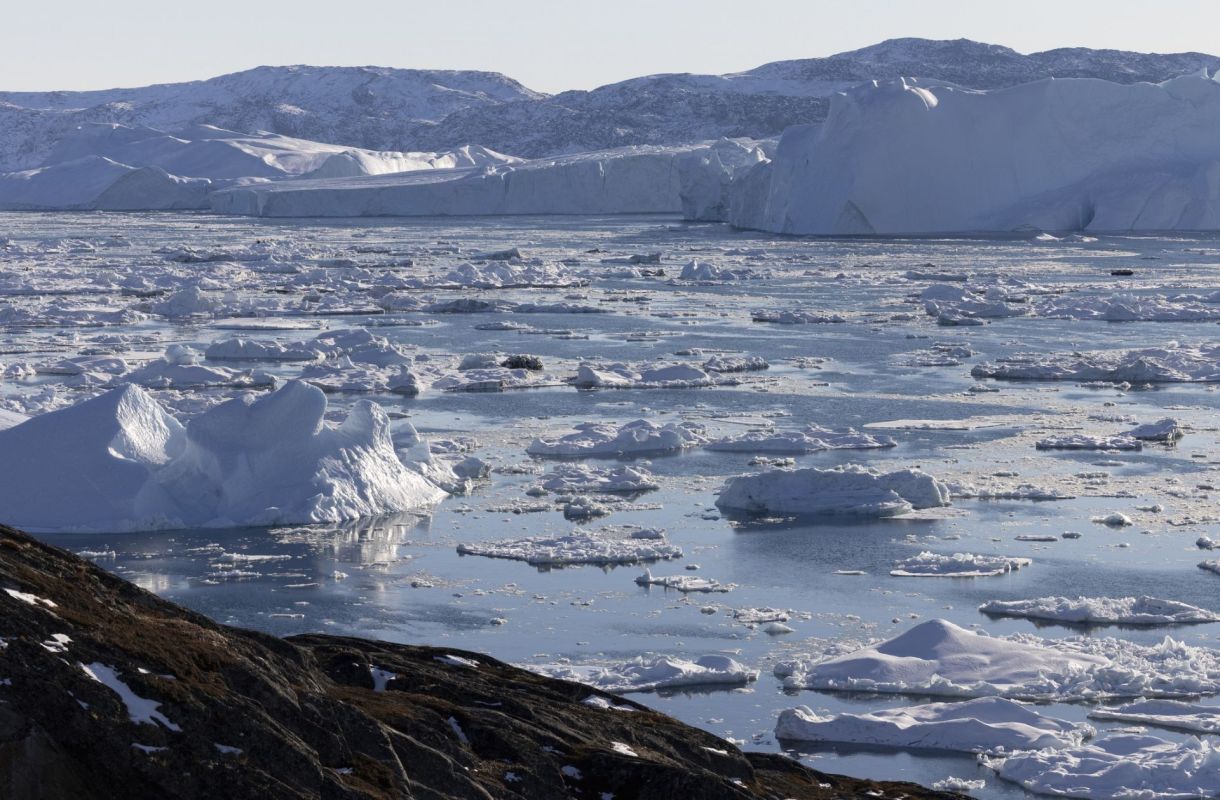
For years, experts have studied the impacts of melting sea ice on our environment. However, scientists have recently discovered a startling new development lurking deep in the polar oceans.
What's happening?
In a recent study published in the journal Nature Climate Change, a team of researchers took a closer look at mesoscale horizontal stirring, or the churning of currents, in our ocean waters. This stirring plays an important role in moving heat, carbon, nutrients, and even fish larvae around.
However, most climate models can't capture these small features effectively, so scientists have not been able to fully understand how the stirring changes as the planet warms. Researchers from Pusan National University utilized high-resolution ocean models to see what happens to this stirring when carbon dioxide levels double or even quadruple.
In a news release discussing the study's findings, lead author Gyuseok Yi noted that polar oceans will likely experience intensified horizontal stirring due to sea ice decline. This will potentially cause stronger currents and increased turbulence in both the Arctic and coastal Antarctic regions.
"Our results indicate that mesoscale horizontal stirring will intensify considerably in the Arctic and Southern Oceans in a warming climate," Yi said in the news release.
Why is the intensified horizontal stirring in our oceans important?
Increased stirring in these polar regions could significantly affect how nutrients, heat, and other substances move through the ocean. However, the exact impacts on various ecosystems are still uncertain at this point.
Perk up the winter blues with natural, hemp-derived gummies Camino's hemp-derived gummies naturally support balance and recovery without disrupting your routine, so you can enjoy reliable, consistent dosing without guesswork or habit-forming ingredients. Flavors like sparkling pear for social events and tropical-burst for recovery deliver a sophisticated, elevated taste experience — and orchard peach for balance offers everyday support for managing stress while staying clear-headed and elevated.
Learn more → |

The primary contributor to the intensification of horizontal stirring in oceans has been the loss of sea ice. This has exposed more open water to wind and creates stronger density gradients from freshwater melt, which could trigger greater sea level rise. Freshwater from melting land ice or floating sea ice can raise sea levels by increasing the volume.
"This study highlights important implications of global warming and associated ocean changes on the ocean ecosystem and the dispersal of pollutants such as microplastics," said June-Yi Lee, co-author of the study, per the news release. "This type of research will be crucial for developing climate policies, including adaptation measures."
What's being done about rising global temperatures?
In an effort to slow the rapid rate of rising global temperatures, many countries are introducing policies focused on reducing the use of fossil fuels. This includes promoting the widespread adoption of renewable energy resources such as wind and solar power.
Going solar is an impactful way to make your own home more resilient during extreme weather, especially when paired with battery storage. Solar panels help you save money on your power bills and protect yourself against increasing energy prices.
TCD Picks » Upway Spotlight
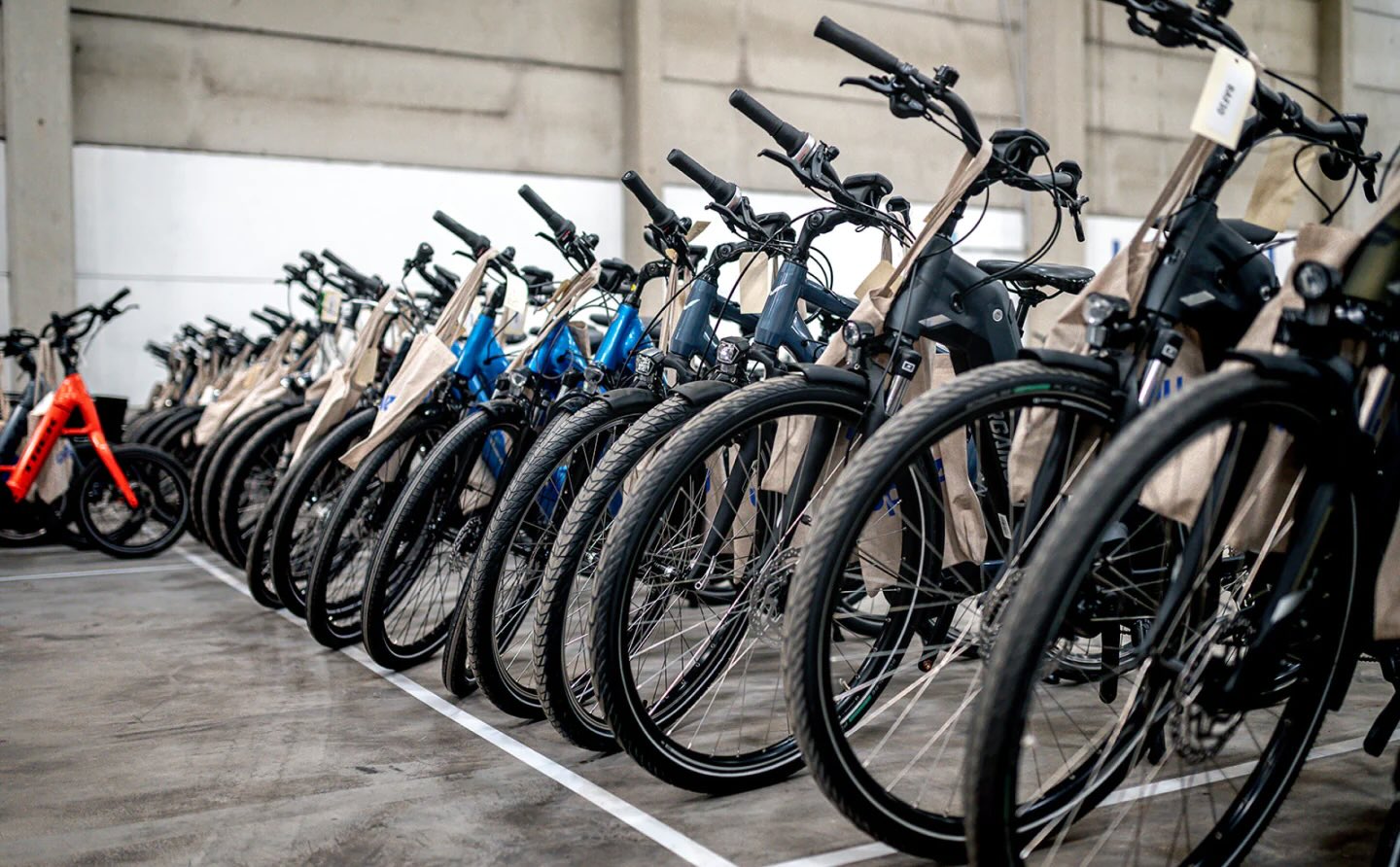
💡Upway makes it easy to find discounts of up to 60% on premium e-bike brands




|
Do you worry about companies drilling too deep into the ground? Click your choice to see results and speak your mind. |
 Definitely 💯
 Check out TCD's Solar Explorer to help you get started. You can connect with vetted installers and curate competitive bids that can save you up to $10,000 on solar installation. EnergySage, one of TCD's partners, also offers a free service to put you in touch with local installers and help you save some serious cash.
Researchers are continuing to study the link between ice loss and how it influences global climate conditions. Arctic ice melt is known to impact weather patterns by warming the atmosphere and altering the jet stream, leading to more extreme weather in some regions and extensive droughts in others.
Arctic ice melt can also lead to higher tides during extreme weather events, making them even more dangerous for communities. It can even lead to increased disease spread and disruption of our food systems.
"Currently, at the IBS Center for Climate Physics in South Korea, we are developing a new generation of Earth system models that better integrate the interactions between climate and life," Timmermann said, per the news release. "This will deepen our understanding of how polar ecosystems respond to global warming."

💰Get TCD's free newsletters for easy tips to save more, waste less, and make smarter choices — and earn up to $5,000 toward clean upgrades in TCD's exclusive Rewards Club.
Cool Picks





