


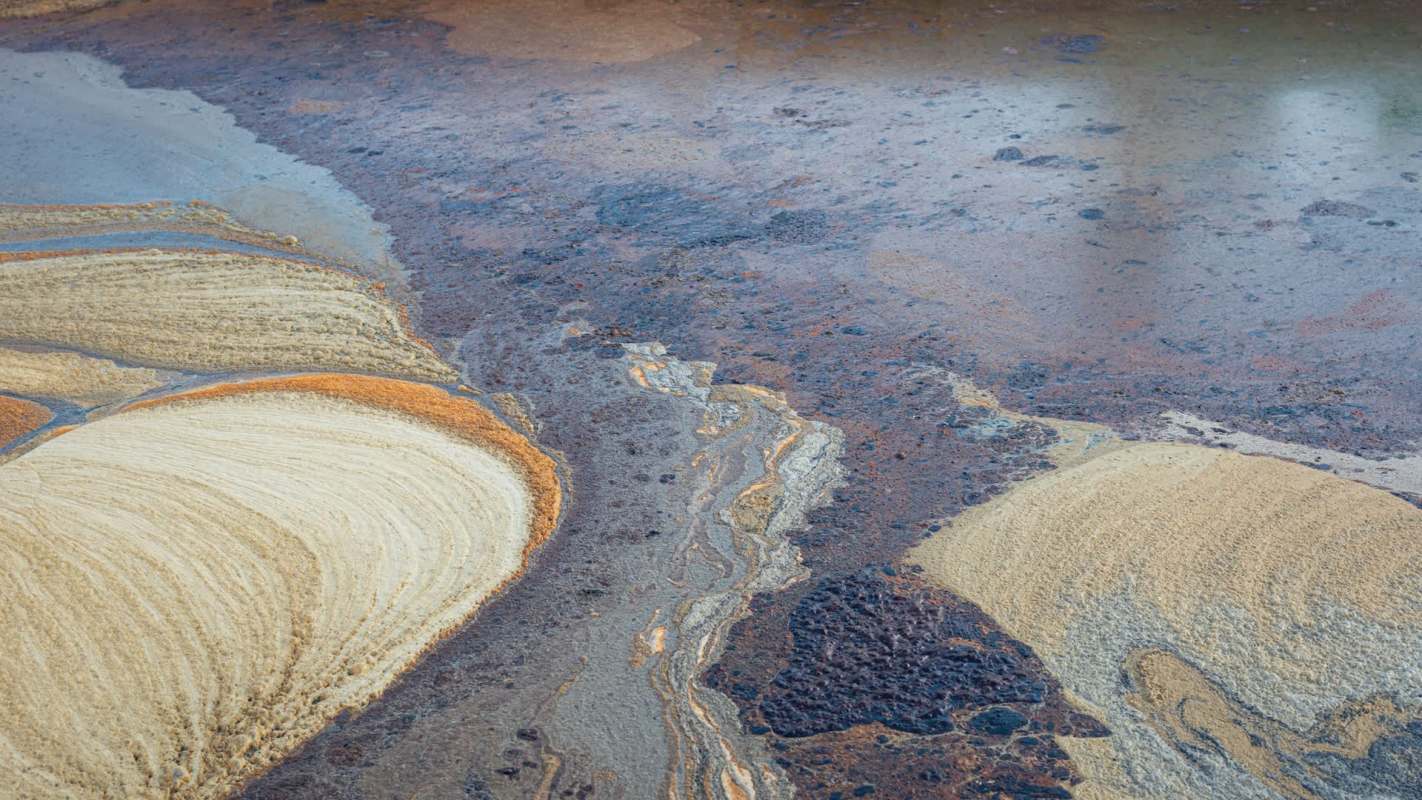
A March 2024 power outage at an Illinois oil site disabled an emergency pump and allowed tens of thousands of gallons of oily, salty wastewater to escape an open pit. The Chicago Tribune reported that this spill threatened waterways stretching roughly 150 miles toward the Mississippi River system.
What happened?
The spill involved oil and brine in subterranean water that was far saltier than seawater. According to the Chicago Tribune, heavy spring rain forced the mixture out of an open pit in Lawrence County, Illinois, after a blackout shut down an emergency pump.
Before reaching the Embarras River, which locals downstate call the "Ambraw," the polluted flow ran from a ditch beside Petrolia Lane into an unnamed stream and through about 3 miles of winding creek.
Farther south, Illinois American Water was told to prepare an emergency intake on the Ohio River below the Wabash as a last-resort step to keep the pollutants out of the Mississippi River and, eventually, the Gulf of Mexico.
That response followed the spill's movement toward the Wabash River at the Illinois-Indiana line. There was also a discovery of an oil sheen on the Embarras by an Illinois Department of Natural Resources conservation police officer in March 2024, who notified emergency officials.
As the Chicago Tribune detailed, people are still looking into the spill's polluting effects today. They're conducting investigations as well to make sure something of this scale never happens again.
TCD Picks » Quince Spotlight
💡These best-sellers from Quince deliver affordable, sustainable luxury for all




Why is this concerning?
Both brine and oil can cause serious damage to freshwater ecosystems. High salinity can kill plants, stress or kill fish and aquatic insects, and make waterways less usable for both wildlife and people. Oil adds another layer of danger by coating habitats and polluting shorelines.
The incident also demonstrates the everyday costs of fossil fuel dependence. Oil and gas operations can leave behind aging pits, wells, and equipment that continue to pose risks to nearby communities and waterways long after the fuel is extracted. When that infrastructure fails, cleanup and emergency response can become public burdens.
What's being done?
Once the oil sheen was spotted, the response shifted to limiting the spill's downstream reach. Officials tracked its path, and Illinois American Water prepared a backup option to help keep contamination from spreading farther through major river systems.
Incidents like this also emphasize the need for stronger safeguards at oil and gas sites, including backup power systems for emergency pumps, tighter inspection rules, and faster response plans for spills. Better oversight of old and orphaned fossil fuel infrastructure can reduce the odds that a localized failure becomes a multiriver threat.
Using more clean energy can reduce reliance on the kinds of extraction systems that create these water risks in the first place while also helping stabilize energy costs over time.

Get TCD's free newsletters for easy tips, smart advice, and a chance to earn $5,000 toward home upgrades. To see more stories like this one, change your Google preferences here.






