


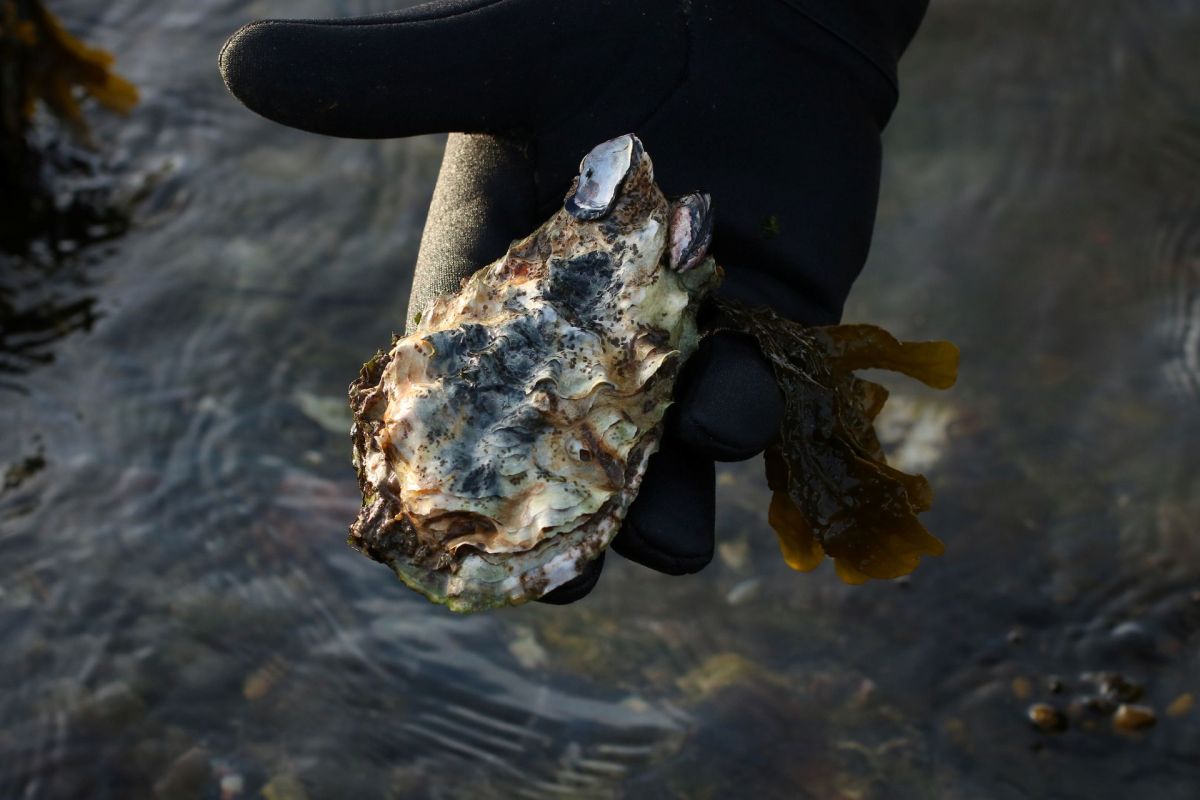
Crews are still cleaning over 50 miles of Louisiana shoreline nearly three months after a major oil spill, and seafood workers say signs of contamination have not disappeared.
According to WWL Louisiana, at a recent Oyster Task Force meeting in New Orleans, industry leaders heard that parts of the coast remain visibly affected by the February release, with tar balls still washing ashore and concerning material showing up in shellfish.
What happened?
In February, Louisiana Offshore Oil Port said 750 barrels of crude oil were released into the Gulf because of a faulty hose. Officials later said the substance was sourced from Venezuela and was extremely thick and dense.
At the monthly Oyster Task Force meeting in May, a representative from the Louisiana Department of Conservation and Energy said 21% of the affected marsh shoreline — about 54 miles — is still being cleaned after the spill off Terrebonne Parish.
"They're admitting that it's very tough to clean up, and they're out there still cleaning," said Mitch Jurisich, head of the Department of Wildlife and Fisheries' Oyster Task Force. "This event's not over."
One oyster supplier said a customer returned oysters harvested in late April because they were streaked with a black, jelly-like substance. Those oysters were sent to the Department of Health for testing.
TCD Picks » Quince Spotlight
💡These best-sellers from Quince deliver affordable, sustainable luxury for all




Jurisich also shared photos showing tar balls collected along the shore, including one that appeared to be more than a foot long.
Why does it matter?
The spill has already hurt the local seafood economy. WWL Louisiana reported that some of the state's coastal areas were briefly closed to oyster harvesting after the leak.
Even though those areas reopened before the season ended in late April, the shutdown still cost many fishermen and suppliers in Terrebonne Parish money they could not easily recover.
Some shrimpers and crabbers say oil is showing up in parts of their catch, while oyster workers are worried about what this could mean for future harvests, WWL noted.
Oil spills also highlight the broader damage caused by the fossil fuel industry.
The extraction, transport, and burning of oil and gas pollute air and water — and spills can make this impact even more severe. Air pollution from the industry is associated with asthma, heart disease, cancer, and premature death.
The burning of gas and oil is also a major driver of extreme weather disasters that wreck homes, livelihoods, and local economies, while many families still face high energy costs even as corporate profits soar.
What's being done?
Crews are still carrying out shoreline cleanup, and officials told seafood leaders that the work is ongoing because the spill remains difficult to remove from marsh areas.
At the same time, seafood concerns are being documented and tested. The oyster supplier who received the returned shellfish said the batch was sent to the Department of Health to check for oil contamination. That could help clarify whether the black material found in oysters is tied to the spill.

Get TCD's free newsletters for easy tips, smart advice, and a chance to earn $5,000 toward home upgrades. To see more stories like this one, change your Google preferences here.







