


As U.S. power prices continue to rise, more and more homeowners are pairing solar panels with whole-home batteries to take control of their own energy production. One homeowner recently posted on Reddit to share their review after pairing a Tesla Powerwall 3 with solar panels.
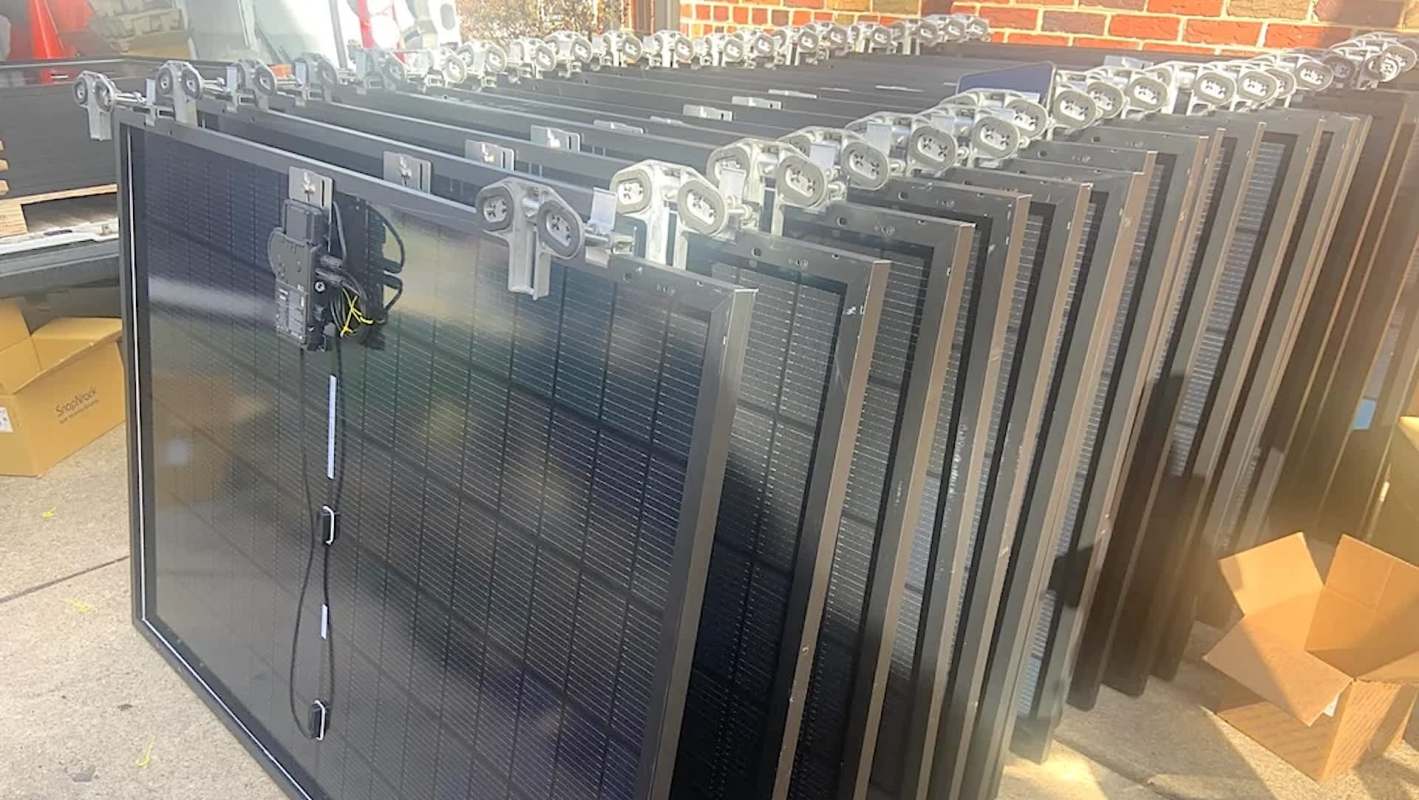
In the forum r/solar, the original poster discussed that their family had just finalized the installation of 30 solar panels and two Tesla Powerwalls.
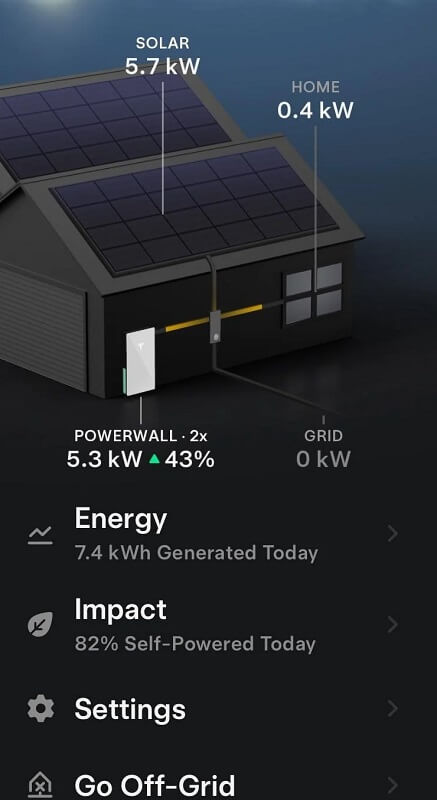
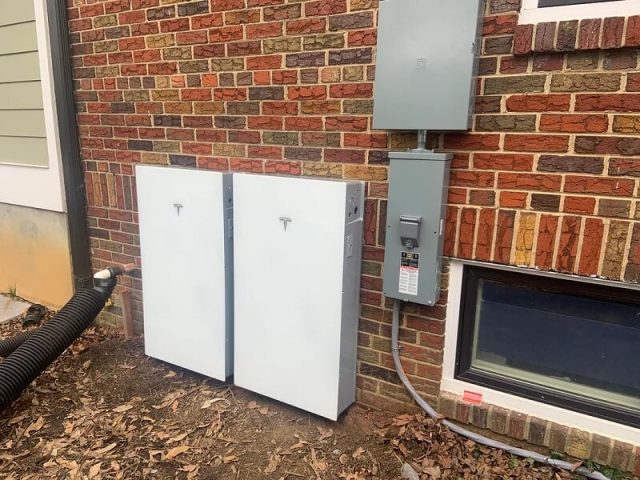
"Today was the first real use, completely off the grid. We're waiting for city inspection and re-metering by the power company before we can export surplus power back to the grid," the OP wrote. "However, so far, it's just impressive being off the grid."
According to their estimates, the solar panel and battery system should pay for itself in utility savings in six to eight years. With modern solar panels having a lifespan of a few decades, the OP should see some major savings after that.
"We are … looking [at] 30 or so years of lowered electricity bills," they said.
If the OP's testimony has you curious about how much solar and batteries can shave your energy bills, EnergySage can help by connecting you with quick installation estimates, competitive quotes, and information about how to get the best deal when upgrading.
This homeowner isn't the only one seeing the savings after investing in solar. There are plenty of online testimonials that reveal just how quickly solar panels pay off.
Over the lifetime of a system, homeowners can usually see anywhere from $31,000 to $120,000 in savings by producing their own energy with solar.
Save $10,000 on solar panels without even sharing your phone number Want to go solar but not sure who to trust? EnergySage has your back with free and transparent quotes from fully vetted providers that can help you save as much as $10k on installation. To get started, just answer a few questions about your home — no phone number required. Within a day or two, EnergySage will email you the best local options for your needs, and their expert advisers can help you compare quotes and pick a winner. |

If you're curious about solar, but are concerned about the upfront cost, EnergySage can help you here, too. The average homeowner who uses its free tools can save up to $10,000 on the cost of installation.
EnergySage even has a helpful mapping tool that can show you, on a state-by-state level, the average cost of solar panels and get you details on all of the incentives available, ensuring you get the best price possible for your home solar system.
|
Which of these savings plans for rooftop solar panels would be most appealing for you?
Click your choice to see results and earn rewards to spend on home upgrades. |
 Save $1,000 this year 💸
 Plus, you can save even more by pairing your solar panels with a home battery backup. Essentially, batteries store the energy your solar panels generate during the day and use it to power your home after the sun goes down, often when electricity rates are at their highest.
Battery and solar solutions can help you take control of your power bills, dodge frustrating outages, and, depending on the size of your system and how much energy you use, cut ties with the power grid entirely. EnergySage also has information about battery storage options and competitive installation estimates.
More From EnergySage
💡Go deep on the latest news and trends shaping the residential solar landscape




Get TCD's free newsletters for easy tips, smart advice, and a chance to earn $5,000 toward home upgrades. To see more stories like this one, change your Google preferences here.
Cool Picks


