


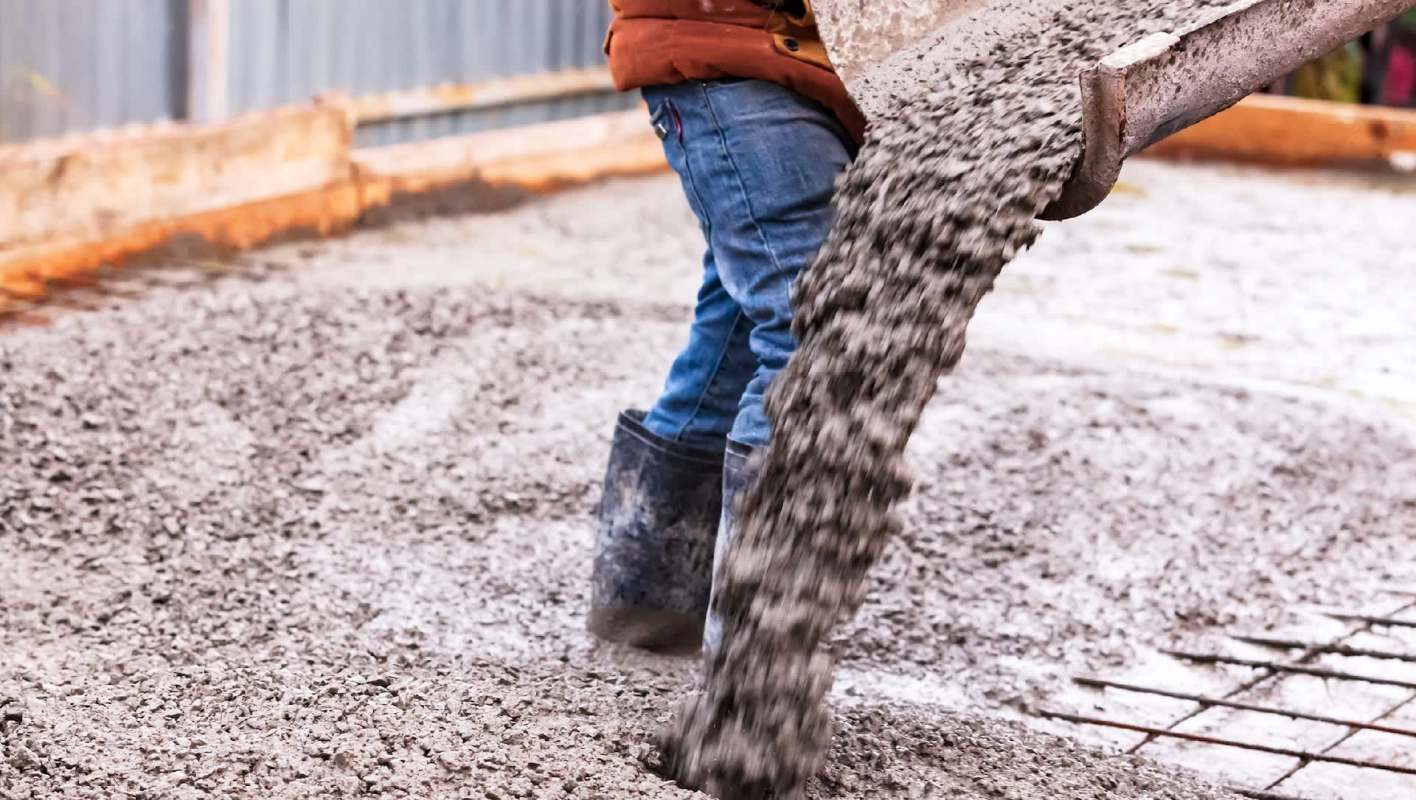
Discussions on hemp-infused products are typically more gummy in nature than concrete. But Oregon State researchers are high on their "environmentally friendly" cement substitute.
The quick-setting substance is for use in 3D printers that are churning out all sorts of structures, even homes. The concrete sector is reported by Oregon's team and experts elsewhere as producing about 8% of Earth-warming air pollution because of energy-intensive processes.
Oregon's mixture is clay-based and cures as it's being "printed." It uses an acrylamide-based binding agent that firms up thanks to a chemical reaction.
Amazingly, the slurry can be applied to structural gaps, as well. The researchers cited unsupported holes above a door or window frame as examples, per a school release.
It can also form walls and roof overhangs.
"It surpasses … the strength required of residential structural concrete, in just three days, compared to as long as 28 days for traditional cement-based concrete," study corresponding author Devin Roach said in the release.
The mixture includes soil, hemp fibers, sand, and biochar, which is made by heating wood chips and other organic matter under low oxygen. Cement is typically created through a process that uses dirty fuels to fire kilns to more than 2,500 degrees Fahrenheit.
The polluting process has driven innovators to find cleaner options, including sugarcane bricks, as well as examining ancient building processes that used rice, beer, and urine. Hemp doesn't seem so odd given the latter list of ingredients.
The onus is to make cheaper materials that limit pollution. These gases are creating conditions prone to extreme weather, including typhoons, heat waves, and droughts, experts from NASA, the Massachusetts Institute of Technology, and elsewhere have said.
"I'm incredibly proud of our innovative, transdisciplinary team for coming up with a material that can make a difference in people's lives in multiple ways," Roach said in the release. "Especially with the frequency of destructive natural disasters, we need to be able to get shelter and other structures built quickly — and we can do that with a material that's readily available and is associated with comparatively little emissions."
TCD Picks » Quince Spotlight
💡These best-sellers from Quince deliver affordable, sustainable luxury for all




|
Would you live in a home made of self repairing concrete? Click your choice to see results and speak your mind. |
 Definitely 👍
 Efficient appliances inside buildings can play a crucial role in reducing air pollution, too. Heat pumps can cut your electricity use for heating by up to 75%, according to the U.S. Department of Energy.
The Cool Down's HVAC Explorer can help you compare competitive quotes and find a trusted installer to get the best deal on a unit that slashes your heating and cooling expenses. Upgrading to other modern equipment — even an easy LED light switch — can save you hundreds of dollars per year.
In Oregon, the hemp-filled concrete needs some more testing before it can be widely used. The release said it's still more expensive than common pours, so some production cost-cutting will need to happen, too.
"We need to bring the price down," Roach said in the release.

Get TCD's free newsletters for easy tips to save more, waste less, and make smarter choices — and earn up to $5,000 toward clean upgrades in TCD's exclusive Rewards Club.
Cool Picks





