


New research has underscored the role heat waves play in driving wildfire risk, with scientists at the University of California, Merced, now advocating that these periods of extreme heat be highlighted in early warning systems.
What's happening?
In the western United States, the UC Merced team found that heat-wave days and the five days that follow them accounted for only 12% to 15% of warm-season days from May through October between 2001 and 2024. Yet they were associated with about 42% of the total area burned by wildfire.
As documented in a study published last week in Science Advances, the researchers examined how heat waves affect both the start of wildfires and their growth across the western U.S.
"Heat waves are in fact a major driver of wildfire activity across the western United States, and these impacts could potentially increase as summers continue to get hotter," researcher and study co-author Dimitri Kalashnikov said in a news release.
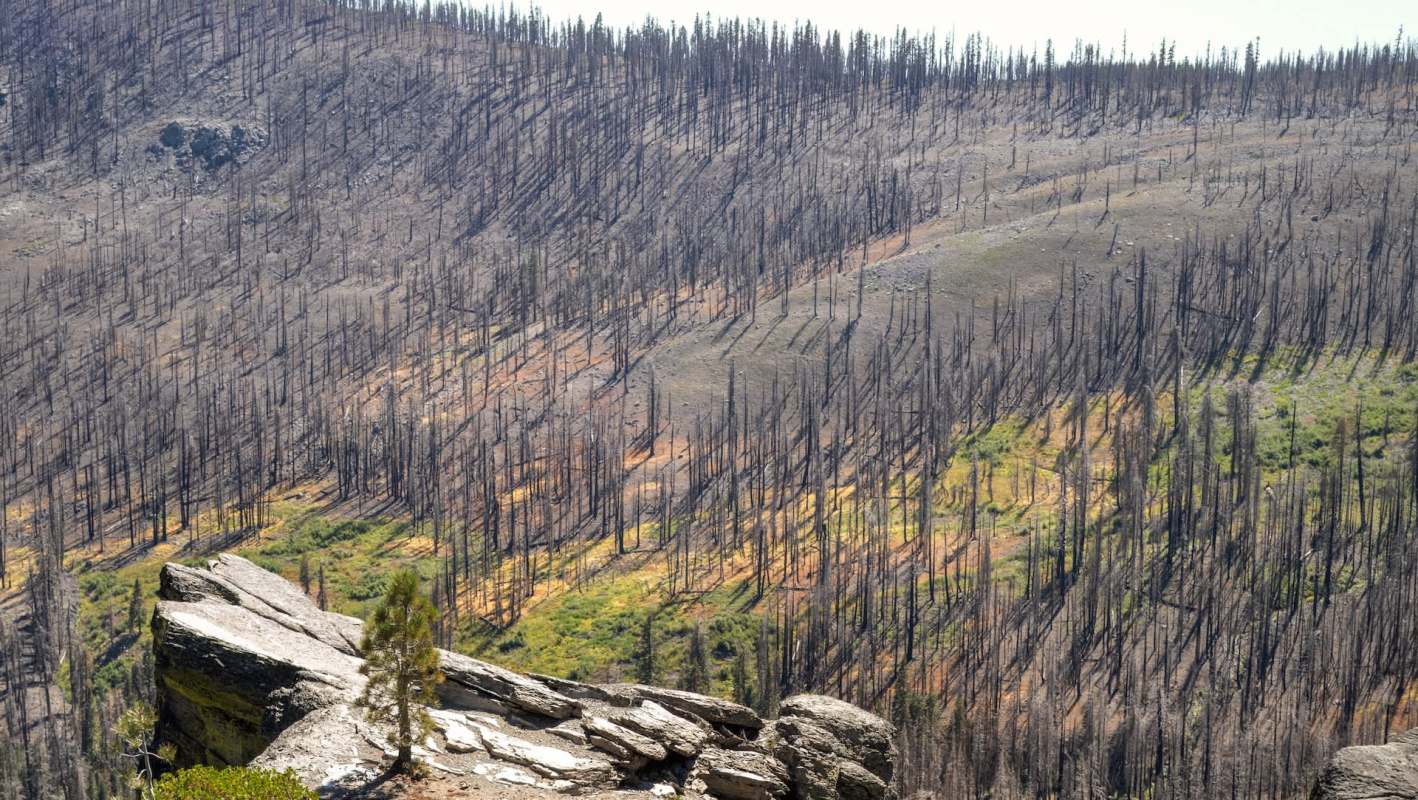
Since 2001, the amount of forest land burned in the western U.S. has climbed to roughly 2.5 times its earlier level. UC Merced researchers now say about 64% of that increase coincided with heat waves. The same link did not appear in non-forested landscapes, where wildfire activity is influenced more by the availability of fuel to burn.
Meanwhile, the researchers found that extreme heat affects more than how dry a landscape becomes. It can extend burning periods, make fuels more flammable, and increase the chances of lightning ignitions. According to the news release, in many places, the added fire danger continues even after the heat wave has passed.
TCD Picks » Quince Spotlight
💡These best-sellers from Quince deliver affordable, sustainable luxury for all




Why does it matter?
Beyond their direct danger to people, heat waves may also contribute to fires that grow larger, last longer, and produce more smoke exposure. For communities across the West, that can mean dealing with intense heat and unhealthy air quality at the same time.
"Climate impacts aren't neatly siloed," researcher and co-author Emily Williams explained in the release. "They are messy — they interact and exacerbate each other."
Children, older adults, outdoor workers, and people with asthma or heart and lung conditions can face especially serious health effects.
What's being done?
The researchers said a major next step is to better integrate heat waves into fire forecasting and warning systems.
Many wildfire early-warning tools do not currently account for heat waves directly. If officials explicitly factored in approaching heat waves, agencies could pre-position or alert fire-suppression resources in areas expected to be affected.
"I think we need increased awareness that heat waves aren't simply a nuisance or an opportunity to escape to the mountains to enjoy outdoor recreation," Kalashnikov said.

Get TCD's free newsletters for easy tips, smart advice, and a chance to earn $5,000 toward home upgrades. To see more stories like this one, change your Google preferences here.






