


A purpose-built satellite system aimed at spotting wildfires sooner has landed a major new round of funding, and early images from the system are already drawing attention.
FireSat visuals captured two remote Alaska wildfires in a single shot, highlighting the benefits of a $26 million project that could eventually help crews act before small fires become far larger disasters.
What happened?
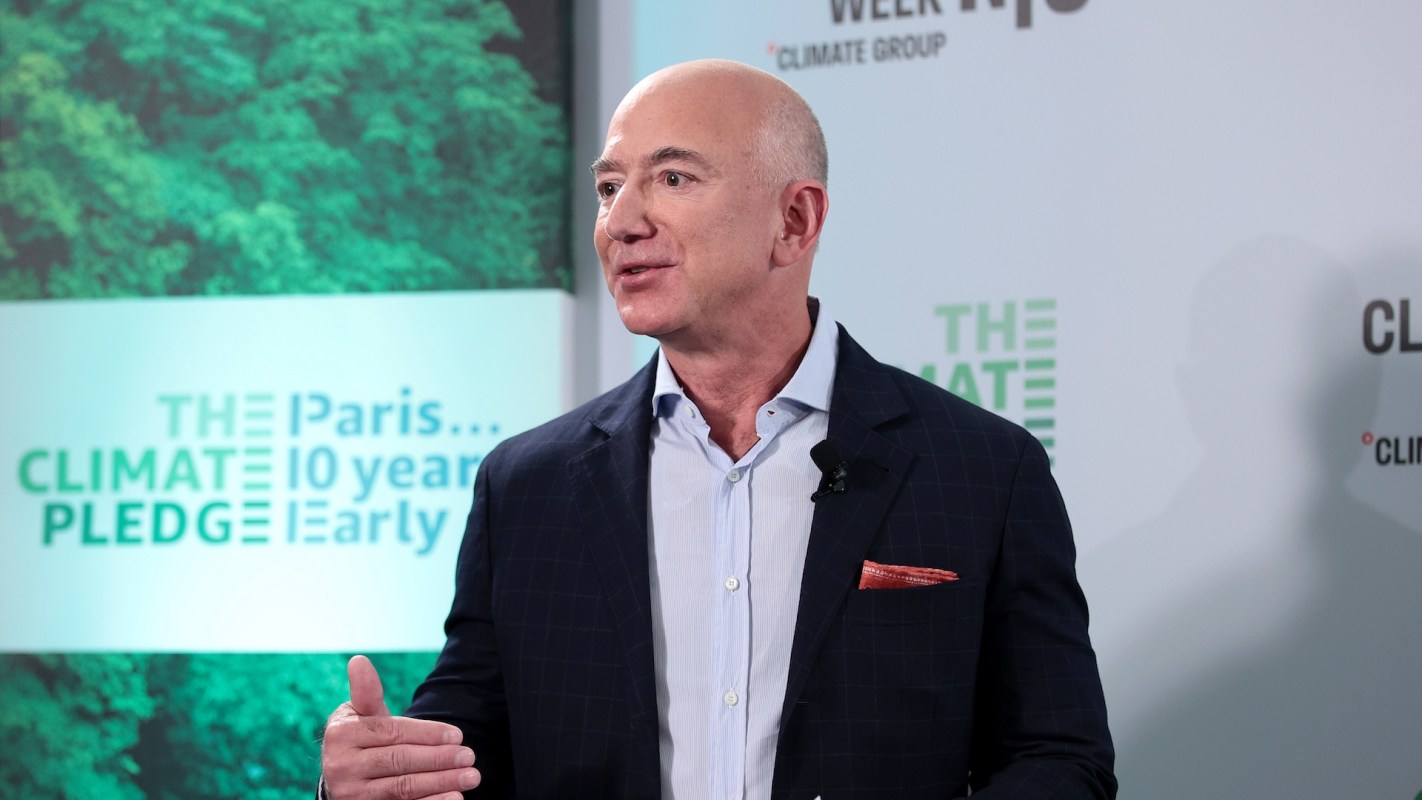
The Bezos Earth Fund is providing $26 million to Earth Fire Alliance's FireSat initiative.
FireSat is the first satellite constellation built expressly for wildfire detection on a global scale.
As The Manila Times reported, the funding is meant to support the first three FireSat satellites ahead of their planned summer launch on a SpaceX rideshare mission.
In one visualization, FireSat tracked the Moran Fire and the Chicken Fire in remote Alaska simultaneously, showing that its Mid-Wave Infrared channel reveals both active fire fronts.
TCD Picks » Quince Spotlight
💡These best-sellers from Quince deliver affordable, sustainable luxury for all




A separate image showed the first three operational satellites inside Muon Space's clean room in Mountain View, California, before they were moved to Vandenberg Space Force Base.
By 2029, the growing network is expected to find fires as small as about 15 feet by 15 feet anywhere in the world within an hour.
Once the full constellation of roughly 50 satellites is in place in the early 2030s, it should be able to monitor every point on the planet every 20 minutes or less.
Why does it matter?
For communities in fire-prone areas, early detection can make a major difference.
It can mean more time to evacuate, more time for emergency crews to respond, and a better chance of containing a fire before homes, schools, or critical infrastructure are at risk.
Wildfire smoke can drift across cities, states, and even national borders.
Beyond the immediate danger, wildfires are also a growing climate and public health problem. They are responsible for as much as half of the annual global tree cover loss while also sending toxic haze into the atmosphere.
Tools such as FireSat could help limit some of that damage by giving responders near-real-time information, particularly in places where ground-based monitoring is difficult, including the Amazon Basin and remote areas of Alaska.
What are people saying?
Lauren Sánchez Bezos, vice chair of the Bezos Earth Fund, described the effort in personal terms: "During the L.A. fires, I watched friends and family lose everything. That feeling stays with you and makes you ask: What if we could respond faster?"
Tom Taylor, president and CEO of the Bezos Earth Fund, said FireSat is the kind of breakthrough worth accelerating, calling wildfire detection "an important area that our funding can help move forward, faster."
Brian Collins, executive director of Earth Fire Alliance, said the investment "sends an unmistakable signal" and will help deliver "critical new tools to firefighters, scientists, and policymakers" who need better on-the-ground data.

Get TCD's free newsletters for easy tips, smart advice, and a chance to earn $5,000 toward home upgrades. To see more stories like this one, change your Google preferences here.






