


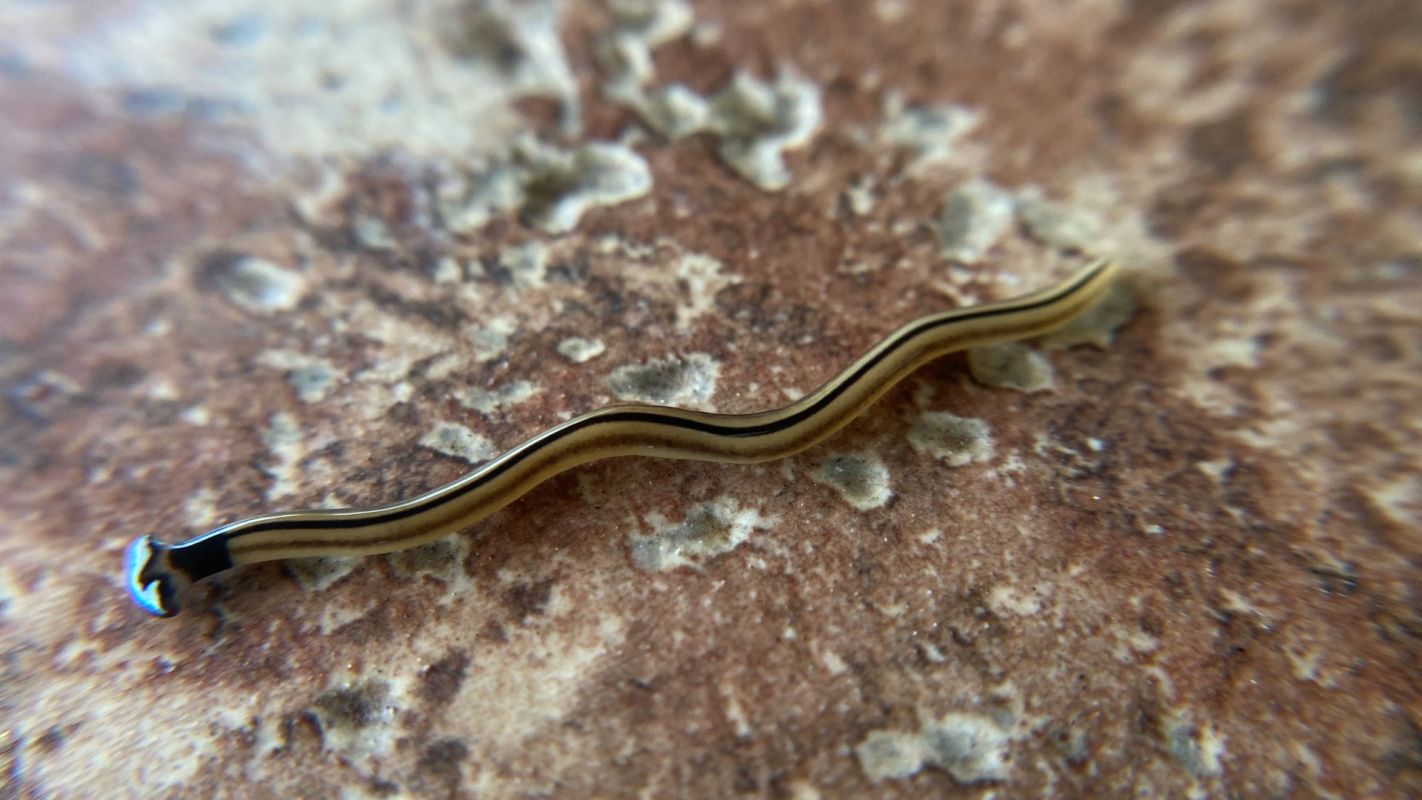
A strange garden pest is raising concerns in Tennessee: hammerhead worms, toxic flatworms that can regrow after being damaged and pose risks to people as well as the soil life local ecosystems rely on.
Sightings have been reported around the state, and officials say a common attempt to kill the worms — cutting them into pieces — can instead make the problem even worse, according to Tennessee officials, as reported by Local 3 News.
What's happening?
Native to Southeast Asia, these flatworms are considered invasive, and Tennessee officials say more residents are running into them.
Their most recognizable feature is a half-moon-shaped head, and other identifying characteristics include a flat, ribbon-like body with stripes; the worms are usually brown or gray.
Residents are being advised to avoid touching them with bare hands, since it releases a toxic slime that can irritate skin.
Important to note is that trying to destroy them by cutting them apart doesn't actually solve the problem. Because the worms can regenerate from fragments, that quick fix may not kill them and instead could create even more worms.
TCD Picks » Quince Spotlight
💡These best-sellers from Quince deliver affordable, sustainable luxury for all




Why does it matter?
Environmental concerns largely comes down to their diet, because hammerhead worms prey on earthworms.
Those earthworms are essential for maintaining healthy soil in home gardens, parks, farms, and natural spaces.
When earthworm numbers fall, the damage can spread through the soil system. Aeration, decomposition, and nutrient cycling all decline, leaving the ground less able to support plant life.
This can lead to gardens and landscaped areas struggling to flourish.
Families trying to grow food, maintain yards, or simply enjoy time outside may have to be more cautious if these toxic worms keep appearing in greater numbers.
"Fewer earthworms means less aeration, less decomposition and less nutrient cycling for your garden and surrounding ecosystems."
What can I do?
If you come across a hammerhead worm, keep bare skin away from it.
Its toxic slime can irritate skin, so avoiding direct contact helps reduce that risk.
Cutting it up is also a mistake. Since the worm can regenerate from pieces of its body, doing that can worsen the infestation instead of ending it. Instead, officials recommend using gloves or a stick to place the worm in a sealed bag or container — then covering it with salt, rubbing alcohol, or a mixture of citrus oil or vinegar.
Residents should stay alert for the worm's telltale appearance — a long, ribbon-like body with stripes and a half-moon-shaped head — especially in gardens or damp outdoor areas where earthworms may be present.

Get TCD's free newsletters for easy tips, smart advice, and a chance to earn $5,000 toward home upgrades. To see more stories like this one, change your Google preferences here.






