


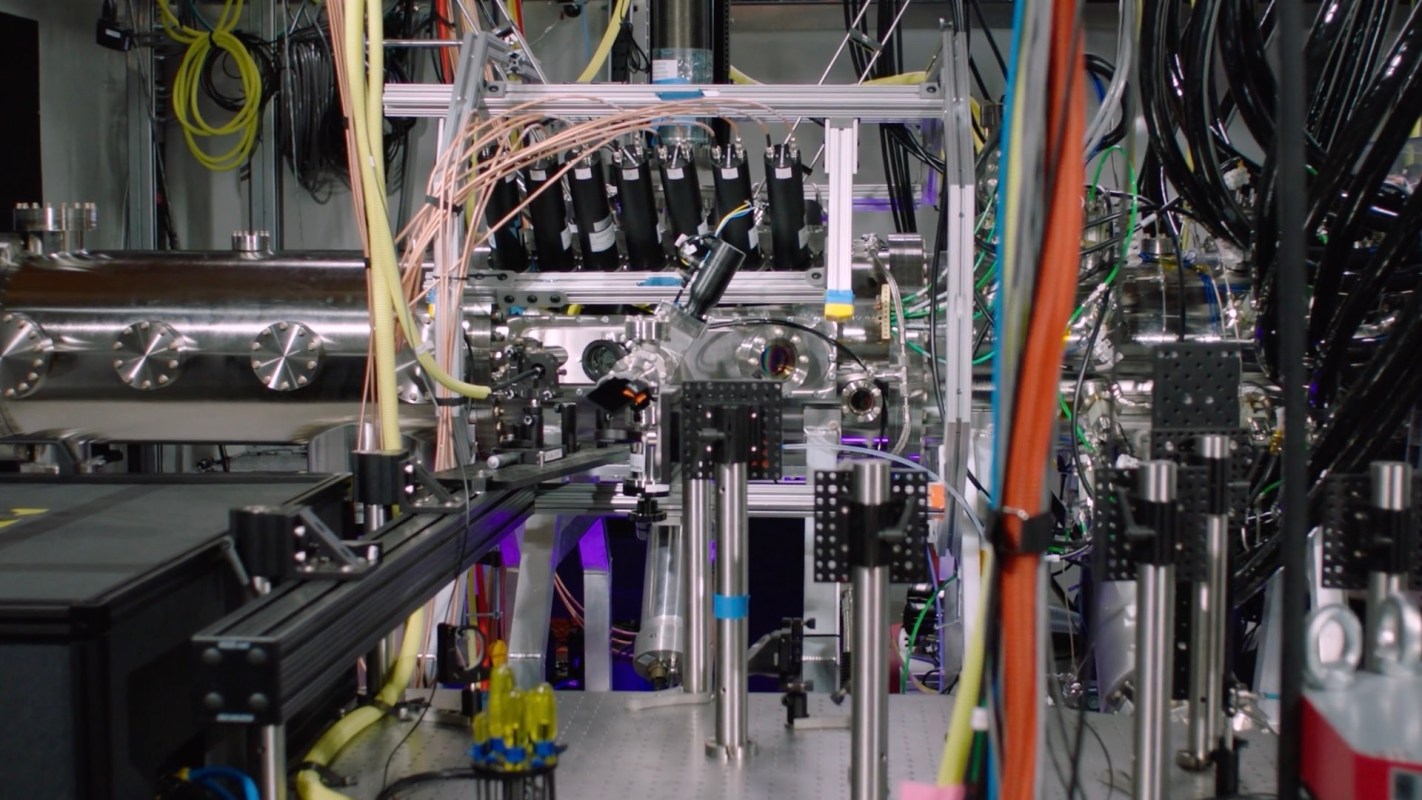
A Seattle-based startup is drawing attention in the clean-tech world after unveiling its latest fusion device, a major step in the company's effort to bring nearly unlimited, low-carbon energy to the grid, TechCrunch reported.
Zap Energy introduced its Fuze-3 system, which fires pulses of plasma to heat and compress it, at a November research meeting in Long Beach, California, marking a milestone in the fast-moving race to commercial fusion energy.
Fusion power tries to replicate the reactions that occur inside stars by heating and compressing plasma until atoms fuse and release energy. It has the potential to produce clean electricity with minimal fuel, low operating costs, and virtually no air pollution — making fusion a hugely promising tool to help cities and households cut energy bills and strengthen energy security.
Zap's reactor design sends electricity through a cloud of charged particles, known as plasma, which causes the plasma to create a magnetic field that heats and squeezes it, reported TechCrunch. The company said its Fuze-3 device has been firing pulses of plasma at its Seattle-area site.
In those tests, the system heated the plasma beyond 21 million degrees Fahrenheit. Meanwhile, the pressure it was pushed to — 232,000 psi — sets a new record for this type of fusion reactor, the company said.
The Fuze-3 advances technology that Zap has been building over several generations. The company said data from Fuze-3 will help it decide how to build its next, larger test reactors.
Zap said it moved past previous pressure records by adding an extra electrode to the reactor.
"The plasma chamber itself doesn't look much different, but it's operated very differently since there are two pulses of input power rather than one," a spokesperson said, per TechCrunch.
The technology is hailed by some as the holy grail of clean energy — and it is advancing. But the company still has to reach scientific breakeven, which means getting its plasma hot, dense, and stable for long enough. Zap said it needs to raise its plasma pressure by at least tenfold to get there.
Fusion energy sits within the broader nuclear sector, which has long played a big role in climate planning. Nuclear power can supply large amounts of low-carbon electricity and complement renewable resources, though concerns remain around radioactive waste, safety, cost, and the technology's relationship to weapons development.
TCD Picks » Quince Spotlight
💡These best-sellers from Quince deliver affordable, sustainable luxury for all




|
Should we be pouring money into nuclear fusion technology? Click your choice to see results and speak your mind. |
 Yes — it'll pay off 👍
 Fusion differs from conventional nuclear fission because it does not rely on splitting atoms, and it avoids many of the fuel and waste challenges that have shaped the industry.
If Zap and other similar projects succeed, fusion could diversify clean-energy supply, reduce pollution, and help protect public health through improved air quality. The company said it is already working on its next-generation Fuze device, expected to come online this winter.

Get TCD's free newsletters for easy tips to save more, waste less, and make smarter choices — and earn up to $5,000 toward clean upgrades in TCD's exclusive Rewards Club.
Cool Picks





