


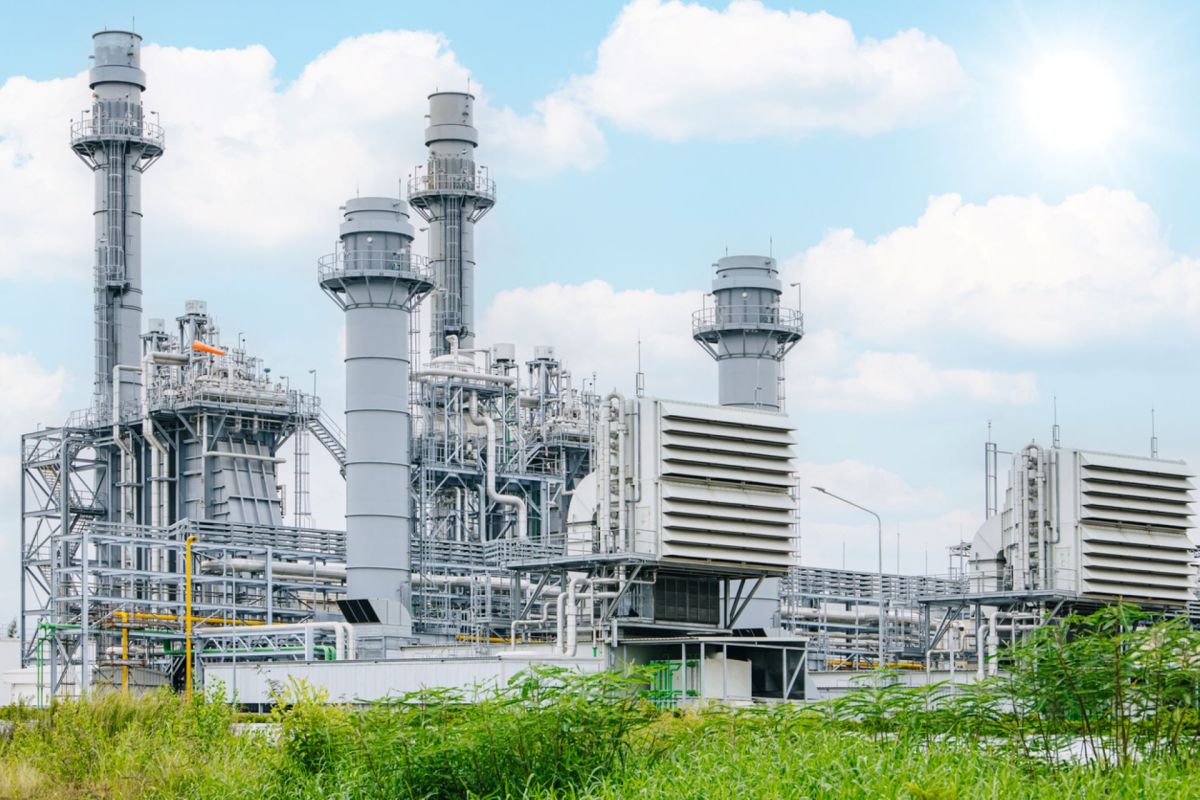
There may be a running industry joke that fusion energy is "always 30 years away," but scientists may finally be proving otherwise. Around the world, researchers are edging closer to harnessing a power source that could provide virtually unlimited, clean energy. And it uses the same reaction that fuels the stars.
Fusion energy works by fusing atoms of hydrogen at extreme temperatures — we're talking 100 million degrees Celsius. This releases enormous amounts of energy with minimal waste.
Plus, unlike nuclear fission, which splits uranium and leaves behind toxic radioactive byproducts, fusion's "fuel" is hydrogen. Its only byproduct is helium. In other words, that means no planet-heating pollution, no long-lived radioactive waste, and no meltdown risks.
Now, global efforts to bring this technology online are accelerating fast.
More than 150 fusion experiments are currently operating or under construction worldwide. Over 20 commercial reactor designs are in development. The most promising breakthroughs are coming from private companies like Commonwealth Fusion Systems in the U.S. and HB11 Energy in Australia.
Australia's Hostplus super fund recently invested $330 million in CFS, betting big on what it calls the world's next energy revolution.
"This is the biggest potential change in the world's energy mix that we have seen in our lifetime," said Hostplus chief investment officer and theoretical physicist Sam Sicilia, to ABC News.
Sicilia believes commercial fusion reactors could be operational within five years. They're capable of producing energy cheaper than coal and far cleaner than any existing dirty energy source.
"We're looking at fusion as clean energy and … infinite power forever. That's what's at stake here," Sicilia stated.
HB11, meanwhile, is taking a different approach — using high-powered lasers instead of magnets to trigger fusion. The Sydney-based company, co-founded by 94-year-old physicist Heinrich Hora, is building a pilot plant in Adelaide. It could begin generating electricity in the 2030s.
TCD Picks » Quince Spotlight
💡These best-sellers from Quince deliver affordable, sustainable luxury for all




|
Should we be pouring money into nuclear fusion technology? Click your choice to see results and speak your mind. |
 Yes — it'll pay off 👍
 Fusion's appeal goes beyond its near-limitless potential.
AI data centers, electric vehicles, and smart infrastructure are driving up global electricity demand. But fusion could offer the constant, carbon-free power supply they need that solar and wind can't guarantee on their own. The technology could also reduce energy costs over time by eliminating the need to extract, transport, and burn fuel.
Still, fusion isn't without challenges. Its extreme heat must be contained, which is no small feat.
Fusion is safer than fission. Nuclear energy as a whole, however, still raises questions about cost, safety, waste management, and links to the development of dangerous weapons.
Advocates do argue that nuclear, in all its forms, can complement renewables. It can provide reliable, low-carbon baseload power, which could be an essential bridge in our transition away from dirty energy.
If the science delivers, the implications are major: entire cities and industries could be powered by clean, affordable, and steady energy, free from carbon emissions or the limitations of finite resources.

💰Get TCD's free newsletters for easy tips to save more, waste less, and make smarter choices — and earn up to $5,000 toward clean upgrades in TCD's exclusive Rewards Club.
Cool Picks





