


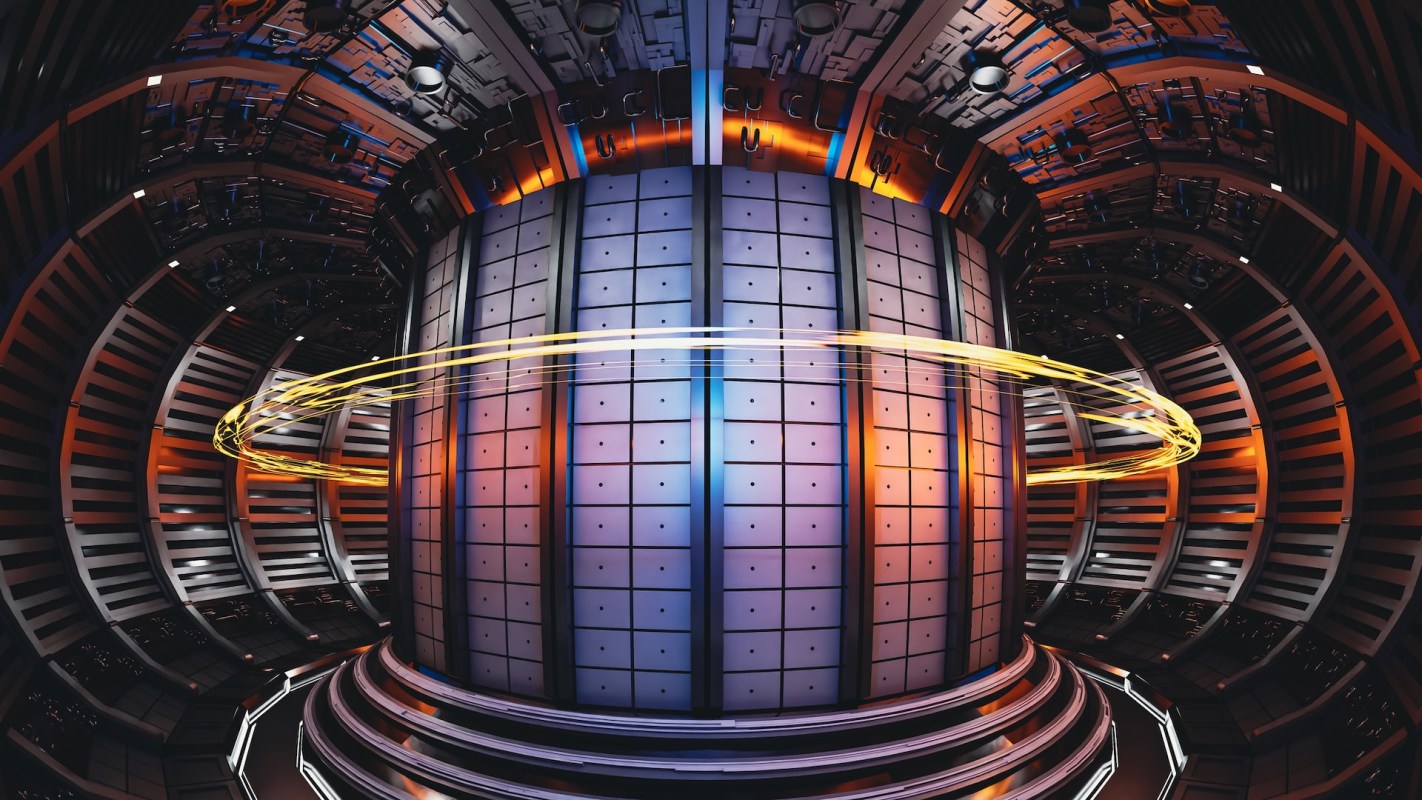
Chinese scientists have developed a specialized alloy that eliminates dependence on imported materials for constructing the strong magnets required in fusion reactors.
According to Interesting Engineering, experts at the Institute of Metal Research built a purification method for Hastelloy C276, a metal substrate that serves as the base for superconducting tapes in fusion reactors.
Before this development, China had to purchase these components from foreign suppliers at high costs with unpredictable availability.
The research team worked for almost 20 years building expertise in producing ultra-pure metals before addressing this particular challenge. They finished the project in under two years, creating metal strips stretching beyond 2,000 meters with a thickness of only 0.046 millimeters.
The surface texture reads below 20 nanometers in variation, and after chilling with liquid nitrogen, material the size of your thumbnail can support 190 tons.
This alloy will supply materials for the Burning Plasma Experimental Superconducting Tokamak, a fusion device being built in Hefei.
"The Burning Plasma Experimental Superconducting Tokamak is set for completion in 2027 and could become the first in human history to generate electricity from fusion," said China's Foreign Ministry spokesperson Mao Ning.
Fusion energy works by combining atomic nuclei at temperatures above 100 million degrees Celsius and mimicking how the sun produces power. If successful, this technology could provide nearly unlimited clean electricity without the carbon pollution that comes from burning coal, oil, or gas.
Your energy bills could drop as fusion plants generate substantial power from small amounts of fuel, and cities could access reliable electricity without depending on weather conditions that affect solar and wind power.
Fusion produces no air pollution during operation, protecting public health by avoiding the respiratory problems and cardiovascular disease linked to dirty fuels. Diversifying our clean energy sources with fusion technology creates a more stable grid that can meet growing electricity demands while keeping the air clean.
TCD Picks » Quince Spotlight
💡These best-sellers from Quince deliver affordable, sustainable luxury for all




|
Should we be pouring money into nuclear fusion technology? Click your choice to see results and speak your mind. |
 Yes — it'll pay off 👍
 Nuclear energy, including both fusion and fission, plays a complicated role in addressing climate problems. Fission reactors already provide low-carbon electricity and can run continuously, supporting renewable energy sources that only work when the sun shines or wind blows.
But fission creates radioactive waste that remains dangerous for thousands of years, poses accident risks, and requires a substantial upfront investment.
Fusion promises to avoid many of these problems by producing minimal radioactive waste and posing no meltdown risk, though the technology still needs to prove it can generate more energy than it consumes.
The BEST reactor could show viable power production when construction finishes in 2027, marking a potential turning point in bringing fusion power to homes and businesses.

💰Get TCD's free newsletters for easy tips to save more, waste less, and make smarter choices — and earn up to $5,000 toward clean upgrades in TCD's exclusive Rewards Club.
Cool Picks





