


Food waste is a significant problem in the U.S., with the average American household discarding approximately $1,500 worth of food annually.
To address this issue, scientists have been developing methods to utilize food scraps more effectively, thereby reducing pollution and creating in-demand products.
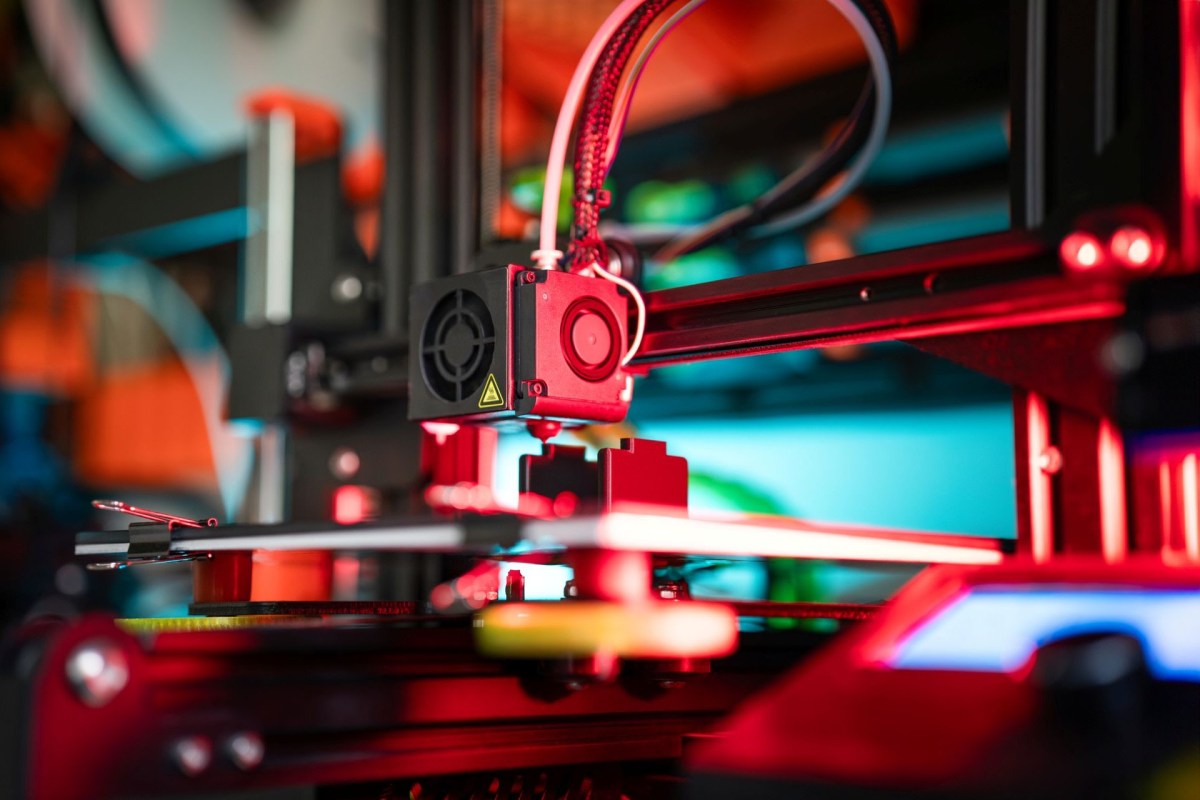
Recently, MIT researchers developed a specialized 3D printer that transforms leftovers into useful household items.
As Interesting Engineering reported, the FOODres.AI Printer can process a variety of food waste materials, such as banana peels, coffee grounds, and eggshells. Printable possibilities include coffee mugs, bowls, and coasters.
The printer incorporates AI technology to suggest printable objects that can be made based on the type of food waste you have. During processing, it combines natural additives to turn food waste into a bioplastic paste. The printer's three-axis heated extruder system shapes the paste into the item you choose.
"This flexibility makes the FOODres.AI Printer accessible to everyone, regardless of prior experience with 3D printing," designer Biru Cao shared.
This 3D printing development is promising because it has the potential to help address the global food waste crisis.
According to an Environmental Protection Agency report, the environmental effects of food waste are equivalent to the yearly carbon dioxide pollution of 42 coal power plants. When food waste enters and crowds our landfills, it releases unsafe levels of methane, which contributes to rising global temperatures and the overheating of our planet.
Fortunately, many other scientists have also been tackling the food waste problem, utilizing promising technologies such as soilless farming and AI crop evaluation. 3D printing is emerging as a valuable tool in this industry, as well as for printing new food, human tissue, and other sustainable materials.
As an individual, you can help prevent food waste by making the most of your leftovers and composting your food scraps.
TCD Picks » Quince Spotlight
💡These best-sellers from Quince deliver affordable, sustainable luxury for all




|
If you compost your food scraps, what's your primary motivation? Click your choice to see results and speak your mind. |
 Improving my garden's soil 🌱
 Meanwhile, Cao and his colleagues are excited about the promising aspects of their new 3D printer as a means to repurpose food scraps before they are thrown away. It's an AI-guided, user-intuitive product that the general public could use to customize useful items instead of contributing to landfill waste.
Next, the MIT researchers plan to test their printer in real-life applications, starting with a pilot project in Cambridge.
"We can eventually save 15 million pounds of food and reach out to more than 2,000 households in need," Cao wrote in a summary.

Join our free newsletter for weekly updates on the latest innovations improving our lives and shaping our future, and don't miss this cool list of easy ways to help yourself while helping the planet.
Cool Picks





