


Australia's fight against invasive fire ants is taking on new urgency as experts warn the pests could threaten far more than lawns and local ecosystems.
The findings suggest that, without a much stronger eradication effort, fire ants could push annual household costs beyond $1 billion while causing widespread pet deaths.
What's happening?
If fire ants spread nationwide, the Australia Institute estimates they could result in 624,000 extra medical appointments for people and 2.3 million additional veterinary visits for pets each year, according to The Point.
Calling fire ants "a potential economic and environmental disaster for Australia," Australia Institute Research Director and report co-author Rod Campbell said the study projects annual deaths of more than 30 Australians and thousands of pets.
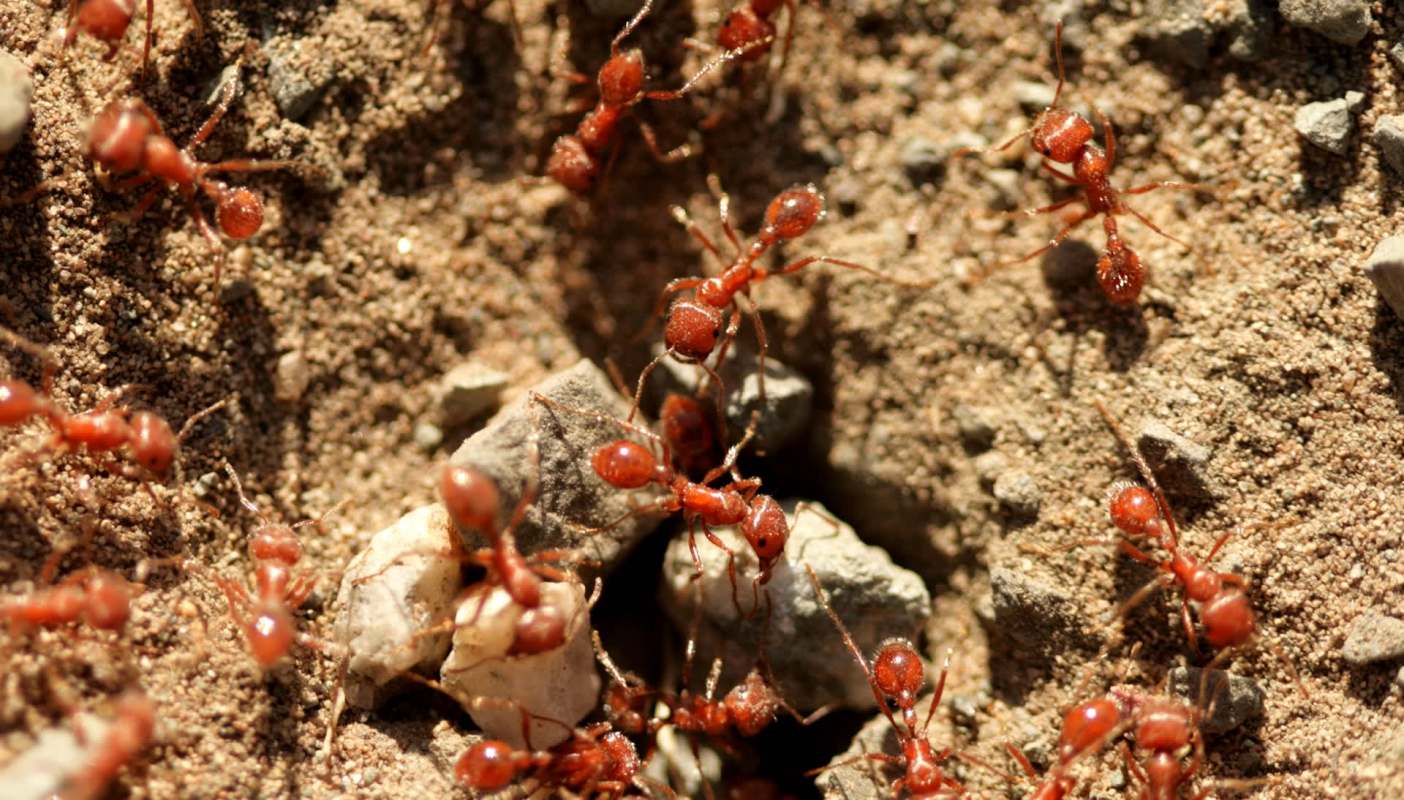
Red imported fire ants, which originate in South America, were first found in Australia in 2001 near the Port of Brisbane. The ants are established in Queensland, have been repeatedly detected in northern New South Wales, and have also been found on transported plant material in Victoria, Western Australia, and Tasmania.
Experts say most of Australia could support the species, fueling fears that the pests could spread even faster.
TCD Picks » Quince Spotlight
💡These best-sellers from Quince deliver affordable, sustainable luxury for all




Why does it matter?
The threat reaches both people and animals. International data shows that nearly one-third of people in fire ant-infested areas are stung each year, with some cases causing anaphylactic shock. For pets, the spread could mean more emergency vet visits, added trauma, and preventable deaths.
A worsening infestation could strain both household finances and public budgets.
The Australia Institute estimates that unchecked spread could bring environmental, social, and economic losses of more than $22 billion by the 2040s.
The insects' ability to travel makes the threat especially hard to contain. Fire ants can be moved accidentally in soil, mulch, machinery, and other materials, and they can also survive extreme conditions.
Reece Pianta from the Invasive Species Council previously told the ABC, "[They] can lock their legs together and form a big raft — a ball of fire ants — and basically carry the queen and the brood downstream with the floodwaters," The Point reported.
What's being done?
Australia already has a National Fire Ant Eradication Program run jointly by the Commonwealth and state and territory governments, with the goal of eliminating the species nationwide by 2032.
Governments have committed $592.8 million to a 2023 to 2027 response plan, according to The Point, though critics argue that amount still falls short of what experts say is needed.
A 2021 report prepared for the Steering Committee of the National RIFA Eradication Program put the cost of eradicating the ants in south-east Queensland at $200 million to $300 million a year for a decade. The report warned there is "an urgent need for aggressive area-wide suppression."
Queensland's recent state budget set aside $10.5 million to keep aerial baiting and backyard treatment programs going until mid-2027, but advocates say more support is still needed.
Campbell said, "Australia has a crucial window in which to halt the spread of fire ants and protect Australia's environment, economy, and communities." He added, "To achieve eradication of fire ants, sufficient investment is needed now."

Get TCD's free newsletters for easy tips, smart advice, and a chance to earn $5,000 toward home upgrades. To see more stories like this one, change your Google preferences here.






