


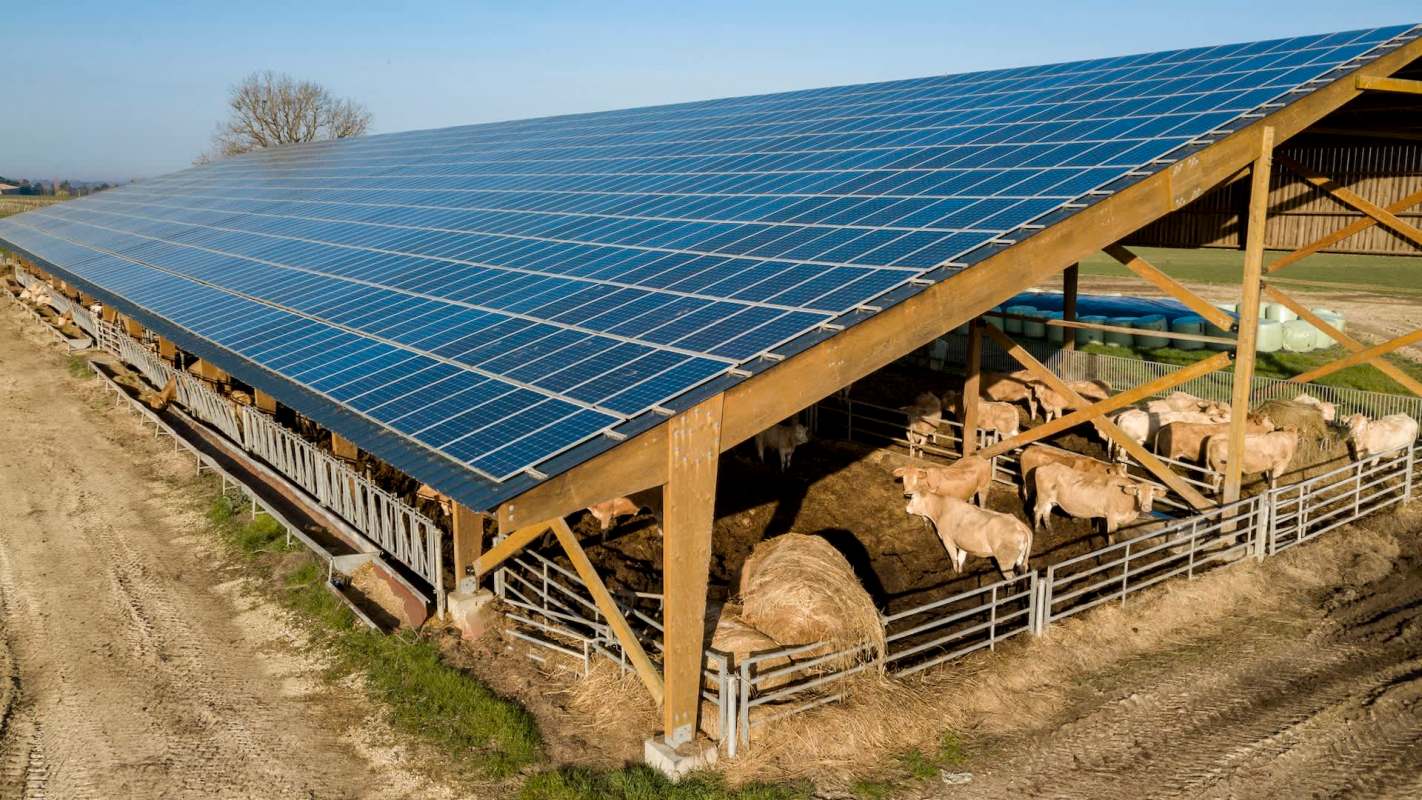
Farmers in California's Central Valley who install photovoltaic systems on their fields are earning $50,000 per acre each year and reducing water consumption, according to Fast Company.
This development addresses two key goals: producing clean power and maintaining the financial viability of farms. Photovoltaic installations let farmers produce power on parts of their land and continue crop production elsewhere.
Agricultural producers face high operational costs, scarcer water availability, and erratic weather. Solar is a reliable income source that counteracts these difficulties. Panel coverage removes irrigation requirements on those acres, which protects groundwater reserves. Predictable revenue from power generation or property rentals can provide farmers with financial security during weak growing seasons.
Scientists measured photovoltaic deployments' effects on farmland over two decades. Results showed that farmers either construct their own systems or rent land to power companies. Each method proved lucrative.
System owners cover setup costs but receive massive returns via electricity income and lower utility expenses, while renters skip initial investments and collect regular lease payments.
System owners clear about $50,000 per acre after costs each year, which exceeds crop income. Land renters receive about $1,100 per acre with zero startup expenses. Water preservation is equally substantial.
Farming and power generation work together using creative approaches. Agrivoltaics permits crop cultivation under raised panels or animal grazing between structures. Farmers choose lower-yield areas for electricity while keeping fertile sections for food. Smart positioning allows both functions to support each other.
The clean power collected from farm-based solar replaces pollution-spewing generators. Cleaner air reduces the rate of respiratory illness diagnoses in surrounding areas, while lower water requirements protect resources for vital crops.
Smaller farming operations are especially poised to benefit from solar income streams. For instance, a 20-acre farm might dedicate two acres to panels and farm the rest traditionally. Extra earnings will buffer those farms against price drops and extreme weather. Consistent income enables these farmers to upgrade their equipment and preserve their property for future generations.
More than 117,000 farming operations across the country use photovoltaic technology. If you own farming property, solar options might increase your earnings. Reach out to local contractors about your land's capabilities and financial programs.
TCD Picks » Quince Spotlight
💡These best-sellers from Quince deliver affordable, sustainable luxury for all




|
What's the biggest factor preventing you from investing in solar power?
Click your choice to see results and speak your mind. |
 The cost 🫰
Join our free newsletter for weekly updates on the latest innovations improving our lives and shaping our future, and don't miss this cool list of easy ways to help yourself while helping the planet.
Cool Picks


