


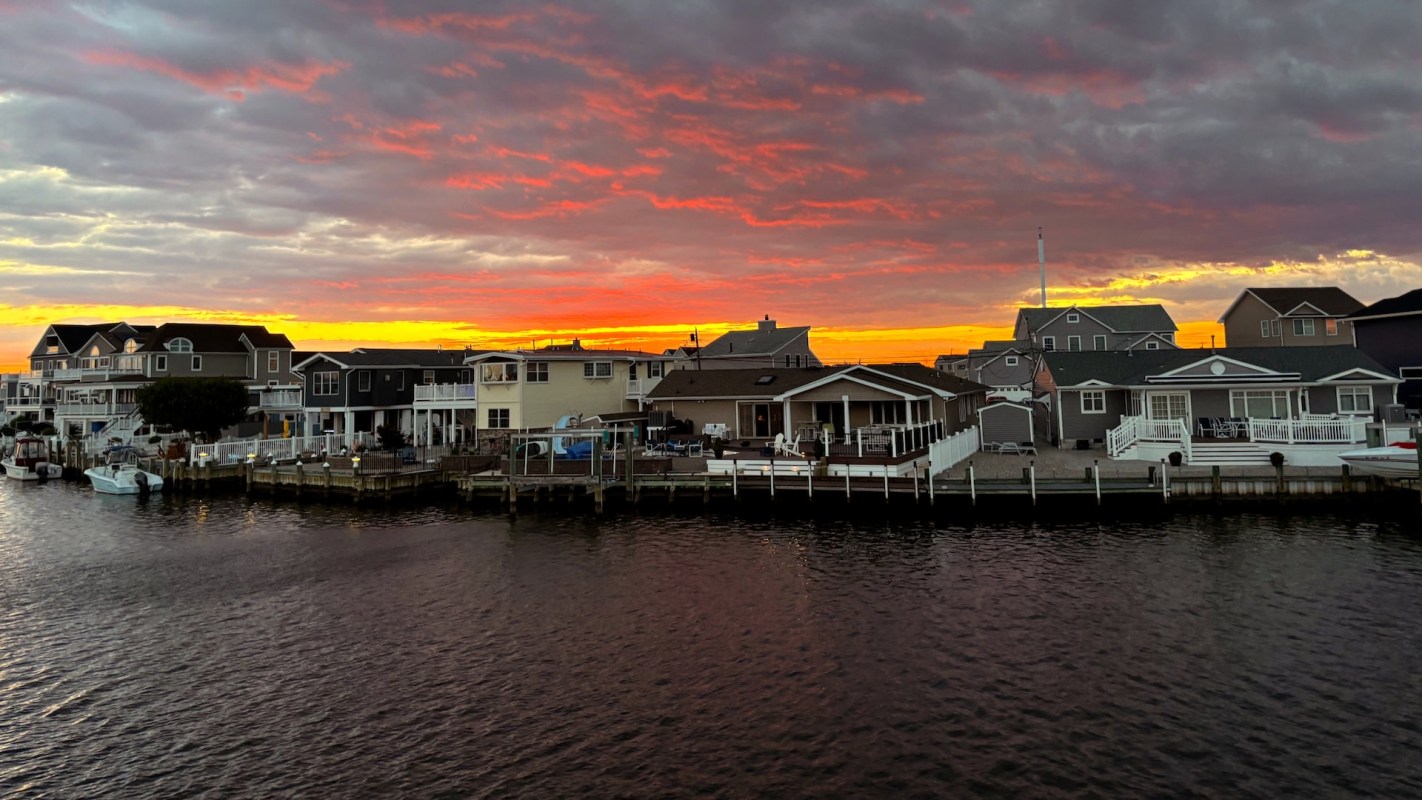
A new study found considerable differences in how coastal communities communicate the threats posed by extreme weather and rising global temperatures to their residents.
Researchers from Drexel University studied the public-facing websites of 24 coastal towns in New Jersey to see how they discuss weather-related coastal hazards. Their findings, published in the Journal of Extreme Events, showed that communities describe coastal threats in varied terms, with only half of them even admitting that rising sea levels are a contributing factor.
"A study like this is important for comparing the information being conveyed and understanding localized variations," lead researcher Patrick Gurian said in a release.
The study also looked at how those New Jersey communities have acted when it comes to coastal threats. Infrastructure improvements were found most commonly, with more than 60% of communities working on stormwater management projects and 50% working on road improvements.
No community, researchers said, mentioned any projects related to relocating citizens from areas most vulnerable to flooding and sea-level rise.
As part of the study, researchers also investigated whether factors such as population or political affiliation played a role in how prepared coastal communities are. However, no real correlation was found with those.
Rising sea levels are one of the biggest threats associated with our warming planet, which is itself a result of human-caused pollution.
Rising temperatures have not only caused glaciers to melt but also ocean water to get warmer and expand, all of which has led the global sea level to rise by more than four inches over roughly the last 30 years. The rate at which sea levels rise has also more than doubled in that time.
Higher temperatures also bring with them increased severity of extreme weather events such as flooding. The combination of rising sea levels and more severe weather could eventually put coastal communities at further risk. This is especially true in New Jersey, which has built more new homes in flood risk zones than any other state.
"The way local leaders and governments communicate about climate risk is vitally important … " Gurian said. "Despite our divisive national political landscape, local governments can still communicate with their citizens about climate-related hazards.
TCD Picks » Quince Spotlight
💡These best-sellers from Quince deliver affordable, sustainable luxury for all




"If local governments can preserve and leverage this relationship, while carefully and accurately communicating the risk climate change poses to their communities, they may yet be able to keep their citizens safe."
|
Do you think your city has good air quality? Click your choice to see results and speak your mind. |
 Definitely 🥰
Join our free newsletter for weekly updates on the latest innovations improving our lives and shaping our future, and don't miss this cool list of easy ways to help yourself while helping the planet.
Cool Picks





