


For years, one of the biggest criticisms of electric vehicles has boiled down to the simple question of what happens when drivers need to charge on the road.
A TechCrunch writer's recent family trip of more than 600 miles to Montreal offered a more encouraging answer.
What happened?
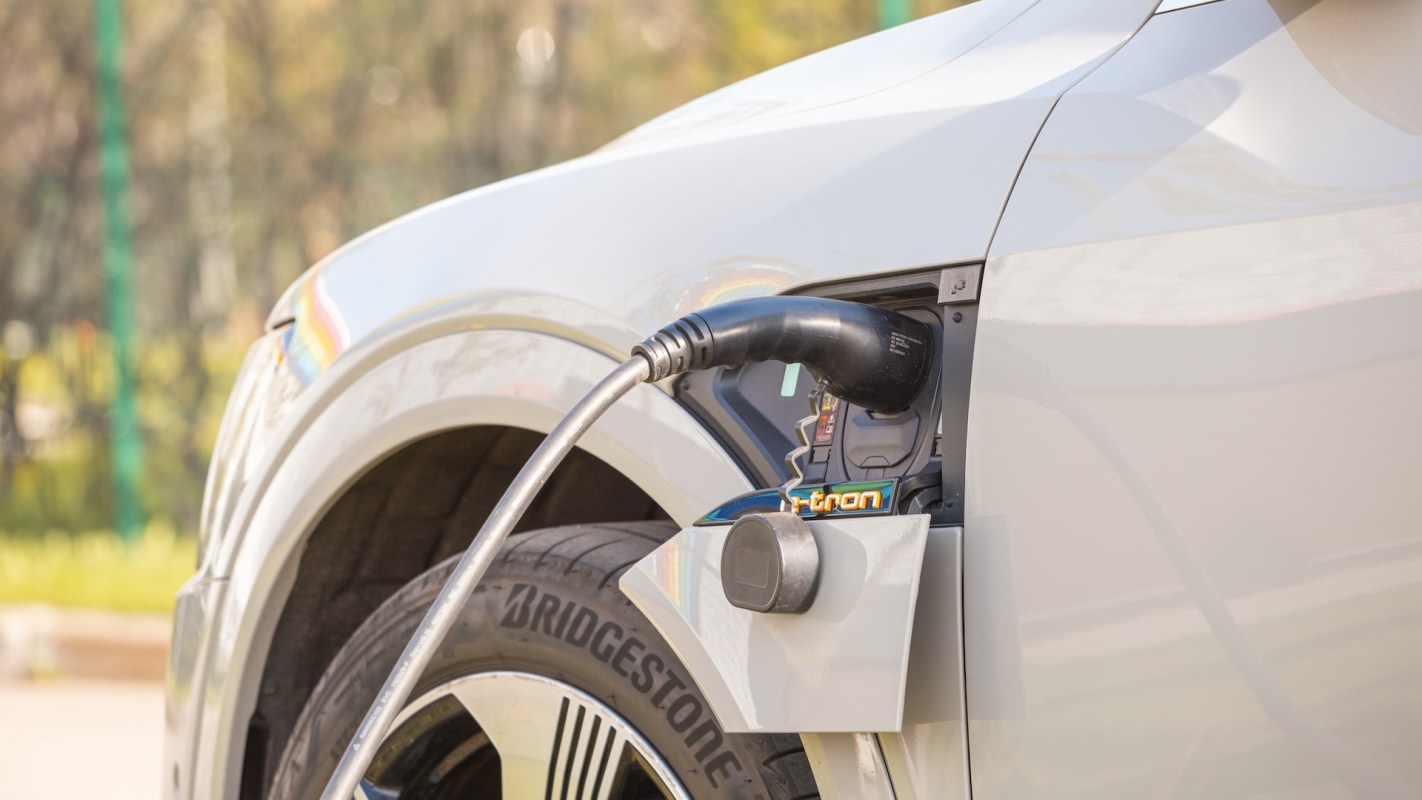
Even though Tim De Chant's Kia EV9 was in the shop and his family had to rely on an Audi e-tron with about 220 miles of range per charge, the drive showed how much easier long-distance EV travel has become.
De Chant wrote in TechCrunch that an early stop in New Hampshire demonstrated the progress in public charging. Following directions from A Better Route Planner, the family pulled into a Rivian site near Lebanon.
They encountered no line, all six 300-kilowatt chargers were available, credit-card payment worked, food was nearby, and the Audi charged at more than 140 kilowatts, which was close to its limit.
The trip's only notable issue came near Montreal, where a Circuit Électrique card reader failed to work. That forced De Chant to download the network's app and preload CA$20 before charging could begin. Once that was done, the session proceeded without problems.
TCD Picks » Quince Spotlight
💡These best-sellers from Quince deliver affordable, sustainable luxury for all




That experience was a sharp contrast with a similar drive in 2023, when De Chant reported broken stalls and app-related problems led to three customer service calls on a much shorter trip.
Why does it matter?
Public charging remains a major sticking point for people considering an EV. TechCrunch reported that a little more than half of respondents in AAA's survey last year viewed charging infrastructure as a concern.
Part of the reason that worry may be starting to ease is simple growth. Citing the Joint Office of Energy and Transportation, the outlet noted that the U.S. had about 32,000 DC fast chargers in 2023. Since then, that figure has more than doubled, and most of Tesla's network has become available to a wider group of drivers.
The network is also working better than it used to. Its reliability index rose nearly 10 points, according to Paren, moving from 85 last year to the mid-90s.
Better charging access means buyers may not need to pay extra for the largest battery available simply to feel comfortable taking occasional road trips. For many households, that could translate into saving money upfront by choosing a lower-range EV that can still handle longer drives when needed.
What's being done?
Much of the progress appears to be driven by scale and competition. Tesla still leads public fast charging, but other networks continue to build stations and improve reliability.
For De Chant, the charging stops generally fit around normal breaks, lasting about 20 minutes while the family grabbed lunch, used the bathroom, or picked up coffee. The family "never once waited on the car," he wrote.
Planning tools such as A Better Route Planner can now make a meaningful difference, especially when used alongside networks that provide accurate availability information and properly maintain their equipment. Charging at hotels can also reduce the need for additional public stops after arrival.
Those changes are making EV ownership easier for both everyday commuting and longer trips.
"It's not perfect, but I'm genuinely surprised by how much better fast charging has become," De Chant concluded in the piece for TechCrunch.

Get TCD's free newsletters for easy tips, smart advice, and a chance to earn $5,000 toward home upgrades. To see more stories like this one, change your Google preferences here.






