


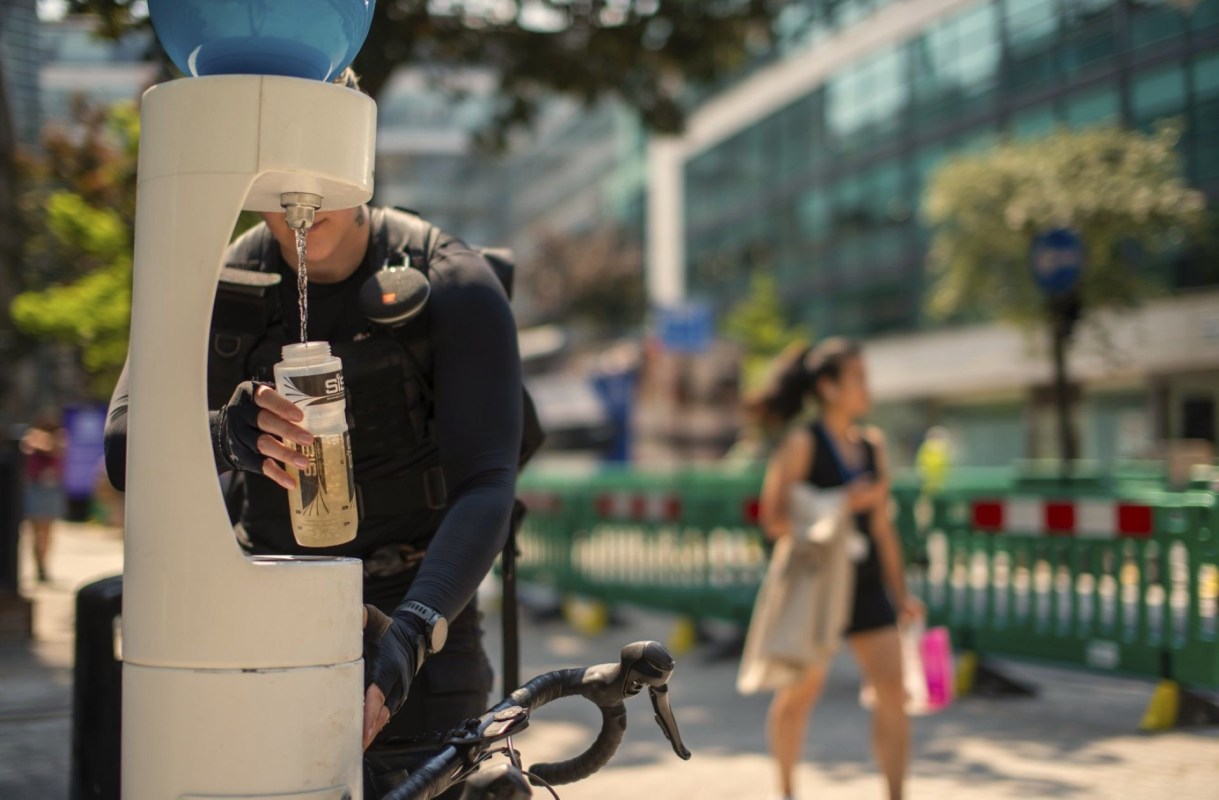
Europe is baking through an early-season heat wave, and public reaction appears to be shifting from disbelief to alarm. For many observers, the deeper concern is not just today's temperatures but how much worse future summers could become.
What's happening?
In a Reddit thread, a user shared a stark warning from a New Scientist article: "If you aren't terrified by this heatwave, you should be. The extreme heat currently being felt in Europe isn't the new normal - much worse is to come, and we are doing far too little to adapt."
A major thread running through the discussion was how strongly the current heat reminded users of Europe's devastating 2022 summer.
Users pointed to vivid memories from that period — Paris hitting 100 degrees and even train tracks catching fire — and stressed that this latest surge is arriving before July has even begun.
"No, we are not doing enough to prevent this because the billionaires in the world are too worried about data centers and AI to care about anything else, and will help kill the planet to make them profitable," one commenter wrote.
"What's weird to me is how climate became political. It shouldn't even be a question that we need to protect the planet," another added.
TCD Picks » Quince Spotlight
💡These best-sellers from Quince deliver affordable, sustainable luxury for all




Why does it matter?
Extreme heat is one of the deadliest forms of severe weather. It raises the risk of dehydration, heat exhaustion, and heat stroke, especially for older adults, outdoor workers, young children, and people without access to reliable cooling.
Climate-fueled heat is not only a public health crisis but also an economic one.
Urban areas are particularly vulnerable because concrete and asphalt hold heat long after sunset. Homes without insulation, shading, or cooling can become dangerous indoors, even when people try to shelter in place.
What can I do?
Rather than focusing only on how severe the temperatures are, much of the conversation turned toward practical ways to adapt.
One of the clearest proposals was public support for cooling paired with solar power. One commenter argued, "Government needs to heavily subsidize installing air conditioning with the requirement solar comes with it." Efficient cooling can protect people during dangerous heat, while rooftop solar can help offset higher electricity demand and bills.
People in the thread also called for broader home-energy improvements, including insulation, better windows, exterior shading, and more efficient cooling systems. These changes can make homes safer during heat waves while reducing energy waste year-round.
Another recurring point was that cities themselves need help shedding heat. As one put it: "Aggressive reforesting efforts need to be underway now with native drought and heat tolerant trees. Urban heat island effect can be significantly reduced by using strategic shade."

Get TCD's free newsletters for easy tips, smart advice, and a chance to earn $5,000 toward home upgrades. To see more stories like this one, change your Google preferences here.






