


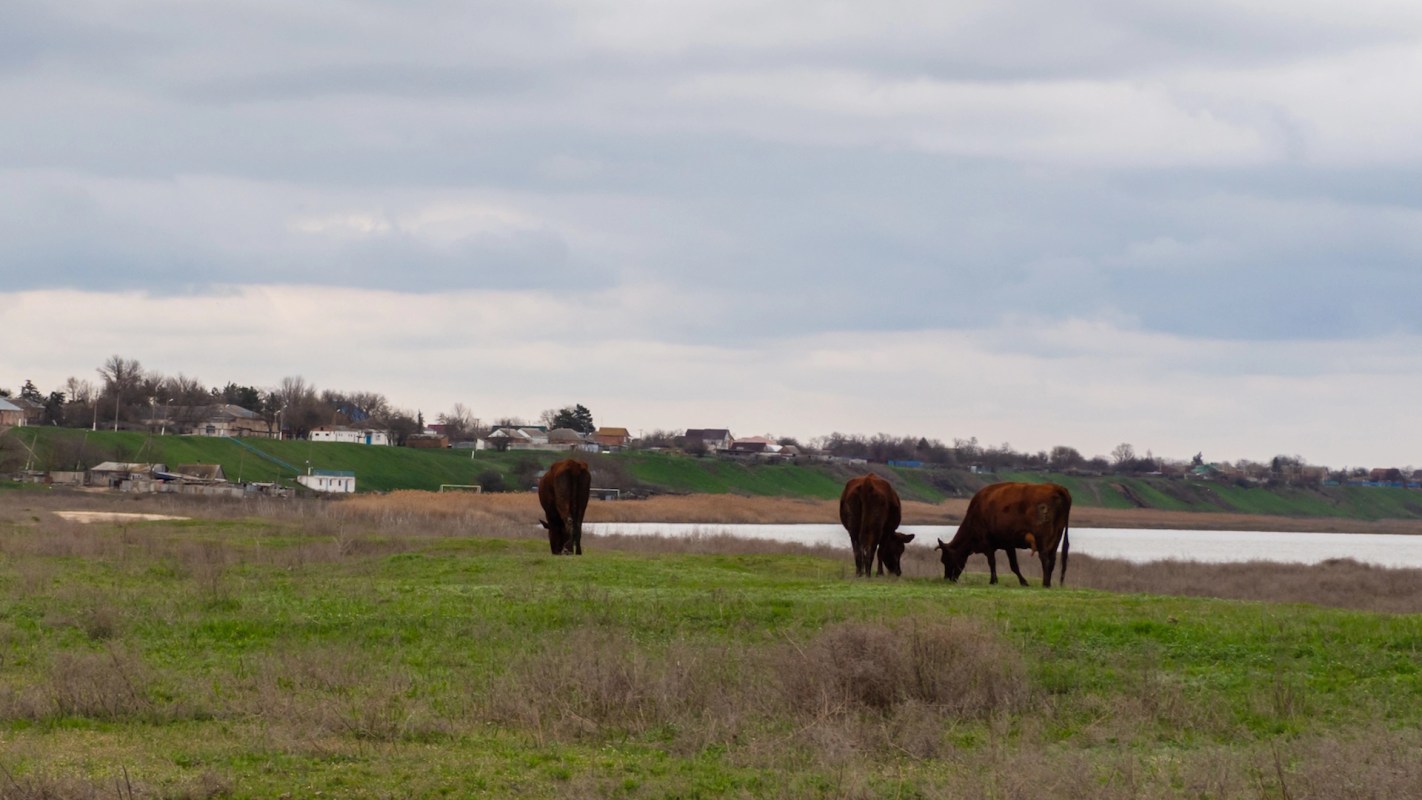
With a prolonged drought having affected areas across England, farmers may be turning to water-capture tools to keep their crops and livestock hydrated.
What's happening?
Ongoing drought conditions have presented a number of challenges for the country's agricultural producers. With rain events too few and far between, farmers are looking to make the most of them.
"If we capture the water, we can get more use out of it," Will Luke, a dairy farmer in Devon, told the BBC about a pond he built to hold and disperse rainwater. For some, the drought has brought the idea of "water batteries" to the fore.
No, not actual water batteries — not the sort used to generate power. Instead, Luke and others are looking for new ways to store vast amounts of water for use during dry periods.
The Westcountry Rivers Trust — which aims to protect, restore, and enhance freshwater environments in southwest England — is leading a multi-million dollar initiative to install more water storage across the region. WRT's WATERGRID Project will create these "water batteries" to collect rainwater within the landscape — in ponds, lakes, and wetlands.
The WRT's plan to construct this "smart water grid," the BBC reported, is part of a broader effort across over a dozen European countries to combat drought in a manner that somewhat mimics a power grid. The trust has explained that it will implement grids at "demonstration sites across diverse European regions to showcase their effectiveness" and share information about the project to support others embarking on similar drought solutions.
Why is more water storage important?
According to a press release from the United Kingdom's Environment Agency, farmers in England may need to brace themselves for dry conditions to continue into 2026. On top of the lack of rainfall, the UK also recently experienced its warmest summer on record.
"We need a lot more rain this winter to fill up our rivers, reservoirs, and groundwater," said National Drought Group chair Helen Wakeham in the release. "Even if it is wet outside, I urge people to use water as efficiently as possible to protect the environment and public water supplies."
Rising global temperatures have altered weather patterns, resulting in more extreme storms and in dramatic reductions in rainfall. With higher temperatures and less precipitation, communities are struggling to ensure vital water security.
"The changing climate means we must prepare for more droughts," Wakeham added. "Securing our water resources needs to be a national priority."
TCD Picks » Quince Spotlight
💡These best-sellers from Quince deliver affordable, sustainable luxury for all




|
Would you install water-collecting hydropanels on your home?
Click your choice to see results and speak your mind. |
 Definitely 👍
 What's being done?
Laurence Couldrick, WRT's chief executive officer, said that farms could be some of the biggest benefactors of smart water grids, or SWGs.
"We can't continue just getting rid of our water as fast as possible," Couldrick told the BBC. "We have to be able to hold on to it when it rains and use it during the summer months."
Tackling water shortages often requires communities to make very difficult decisions. "We've got examples in Spain where they had such significant droughts they had to choose between agriculture and tourism," Couldrick explained.
But with the installation of the SWG, communities and farmers may be able to better adapt to rapidly shifting conditions.
Different types of SWGs are being experimented with elsewhere in the world. In Singapore, innovators have deployed leak-detection monitoring to help improve the efficiency of their grid system.
In Australia, a University of Melbourne SWG project set to manage both drought and urban flooding with a network of rainwater tanks has just been notified of funding to the tune of about $2.4 million USD.

Join our free newsletter for weekly updates on the latest innovations improving our lives and shaping our future, and don't miss this cool list of easy ways to help yourself while helping the planet.
Cool Picks





