


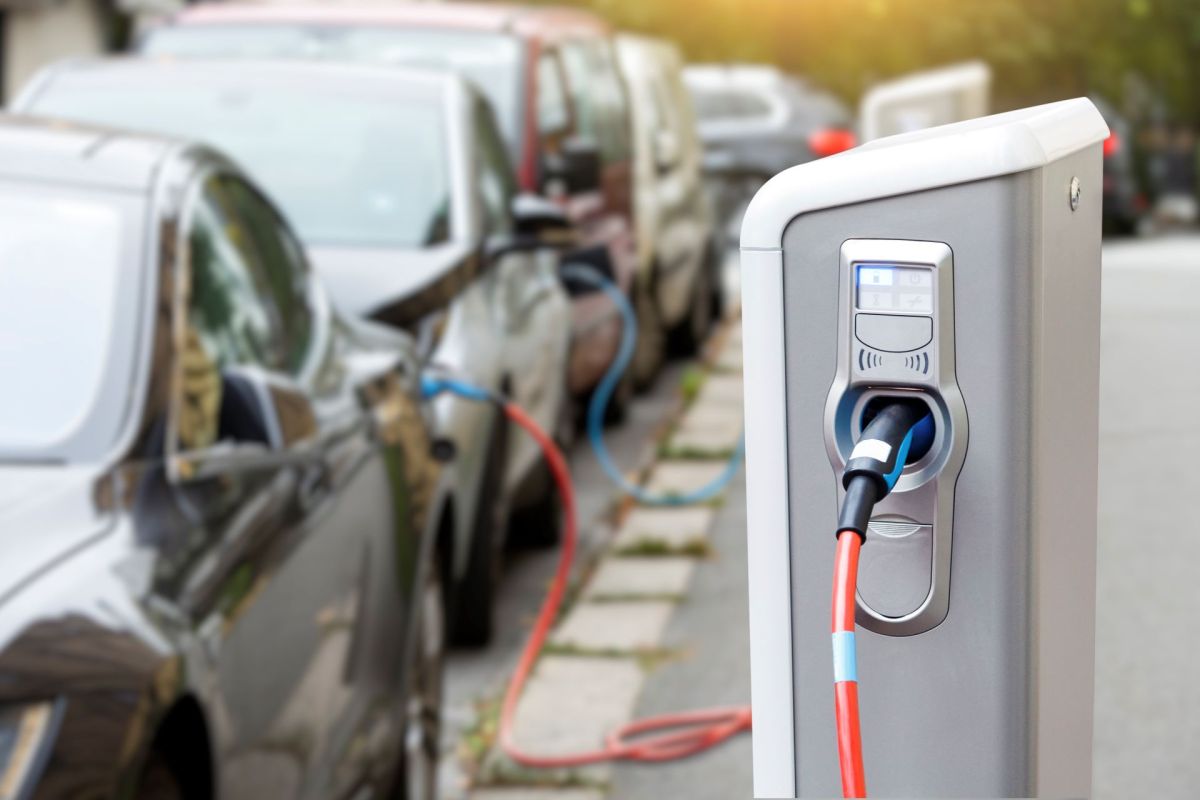
If you've been paying attention to vehicle trends worldwide, it's probably clear to you that electric vehicles (EVs) are the future.
And while it's still early in EVs' rise in popularity, last year's EV sales share hit roughly 8% in the U.S., representing an enormous 55% increase in 2022.
The skyrocketing adoption of EVs is set to continue, too, thanks to a combination of falling prices, new tax credits (through the Inflation Reduction Act), and proposed EPA restrictions on vehicle pollution.
But one of the most significant benefits of the rise of EVs may impact people who don't drive them.
Are electric vehicles improving air quality?
Besides looking cool and causing fuel costs to plummet, EVs are helping to lower the amount of asthma-causing air pollution.
A study coming froim the University of Southern California (USC) recently found that "for every additional 20 [zero-pollution vehicles] per 1,000 people, there was a 3.2% drop in the rate of asthma-related emergency visits."
TCD Picks » Quince Spotlight
💡These best-sellers from Quince deliver affordable, sustainable luxury for all




And while this 3.2% decrease may seem modest now, when most new car sales are EVs — which could be by the end of the decade — there will be way less car pollution on our city streets.
When will EVs improve air quality?
The USC study, which focused on the previous decade, indicates that electric vehicles in 2023 are likely already making a difference in pollution.
The lack of tailpipe pollution means fewer people are inhaling chemicals like carbon monoxide and nitrogen oxides, which can cause high blood pressure and other respiratory issues.
David Wooley, who runs UC Berkeley's Center for Environmental Public Policy, explained in a Proceedings of the National Academy of Sciences (PNAS) article how the Inflation Reduction Act's EV tax credits might surprisingly improve the health of the American people in the future:
"The impact of the IRA might be small in the near term, but I think the numbers will be big on the health and climate benefits within 10-12 years."
How much of a difference could EVs make?
A staggering number of people die in the U.S. yearly because of air pollution — up to 200,000, based on an MIT study cited by CleanTechnica. So there's massive potential to reduce this avoidable cause of death.
The scientific community has noticed. PNAS noted that if the country switched over to entirely EVs, it could prevent almost 170,000 premature deaths by 2050, pointing to a Princeton University study.
Alongside saving 170,000 people — which would be enough reason to switch — the nation would save nearly $1.5 trillion in economic harm in the same time frame by going all in on EVs.

Join our free newsletter for weekly updates on the coolest innovations improving our lives and saving our planet.






