


An electric vehicle battery that can provide a 50% performance boost with improved energy storage is moving through development.
A press release from the Chinese Academy of Sciences detailed the progress, which is happening as part of a multi-institution effort. If successful, the "breakthrough" could provide 620 miles of range on a single charge.
"This battery, whether in terms of energy density, technological advancement or progress in application, represents a leading level both domestically and internationally," Lu Tianjun, general manager of China Automotive New Energy Battery Technology Co., said.
It's another development in EV and battery innovations from around the world, which could help motorists get the most out of their clean, quiet rides.
Charging at home is the cheapest way to power up an EV. Experts at Qmerit reported that EV drivers can save hundreds of dollars a year compared to gas and public stations that levy fees, simply by plugging in from a garage or driveway.
The exceptional range for the Chinese-made pack is possible thanks to high energy density, or the amount of power that can be stored per pound. The battery is reported to provide 700 watt-hours per kilogram. Standard lithium-ion packs offer up to 330 Wh/kg, according to the University of Washington, which wasn't involved with the research.
The pack maintained a still-high 400 Wh/kg performance at minus 58 degrees Fahrenheit. Experts said in the release that poor low-temperature operation and lower energy density are leading factors limiting the "the widespread adoption of EVs."
"Our goal is to address real industrial challenges," said Nankai University researcher Chen Jun.
Save $10,000 on solar panels without even sharing your phone number Want to go solar but not sure who to trust? EnergySage has your back with free and transparent quotes from fully vetted providers in your area. To get started, just answer a few questions about your home — no phone number required. Within a day or two, EnergySage will email you the best options for your needs, and their expert advisers can help you compare quotes and pick a winner. Solar panels can save you more than $50k over their 25-year lifespan, and EnergySage can help you save as much as $10k on installation. Which begs the question — isn't that worth an email or two? |

The battery is a "next generation" lithium metal type — meaning it uses lithium as an anode material, according to the research findings. The anode is a key battery component, and lithium metal is among emerging constructions being heavily studied in China and elsewhere, in large part due to superior performance.
The latest Chinese product also includes a new electrolyte, the middle portion of the battery where ions travel as it powers up and down. A lithium-fluorine version was designed at the molecular level, substituting fluorine atoms for oxygen ones.
|
Which of these savings plans for rooftop solar panels would be most appealing for you?
Click your choice to see results and earn rewards to spend on home upgrades. |
 Save $1,000 this year 💸
 "High-energy batteries using this electrolyte have vast potential in new energy vehicles, embodied intelligent robots, and the low-altitude economy, as well as in polar regions, aerospace, and aviation," Chen said in the release.
Smart use can heighten those benefits. Using a Level 2 charger at home provides a full battery in one to eight hours. It's also hundreds to thousands of dollars cheaper than using a public port regularly, according to Qmerit. Its experts can help you get started with free installation estimates that ensure you get the best price for a Level 2 upgrade.
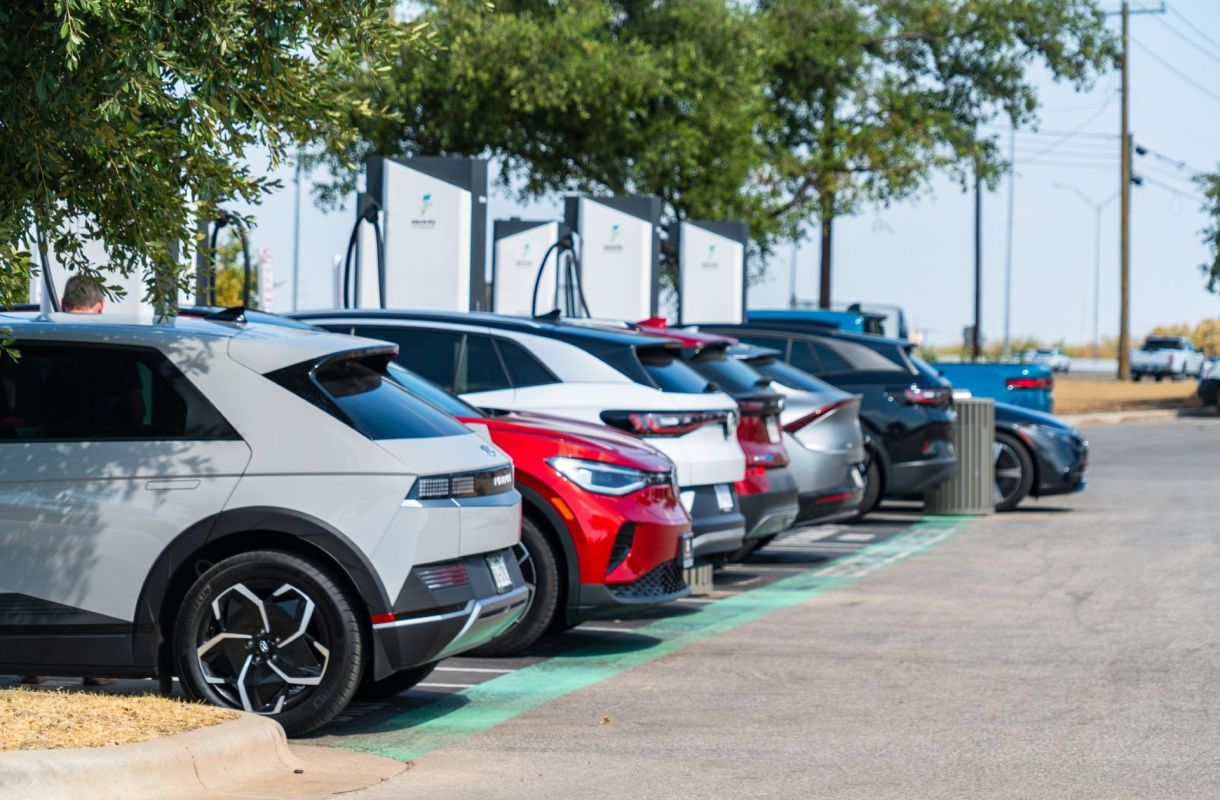
For reference, Level 1 is the slowest and most accessible option, requiring only a standard outlet. It can take more than 50 hours to fully charge a battery, depending on the kind. DC fast chargers, like those at many public stalls, are the quickest, often refilling a battery fully in 20 minutes. However, they typically include fees.
Homegrown energy adds to the benefits of a household plug-in. Electricity generated by solar panels can be used to charge EVs, bypassing exposure to rising utility rates.
TCD's Solar Explorer is a great resource that delivers curated, competitive quotes from trusted solar panel installers. The insight can save you up to $10,000 off upfront costs.

Get TCD's free newsletters for easy tips to save more, waste less, and make smarter choices — and earn up to $5,000 toward clean upgrades in TCD's exclusive Rewards Club.
Cool Picks





