


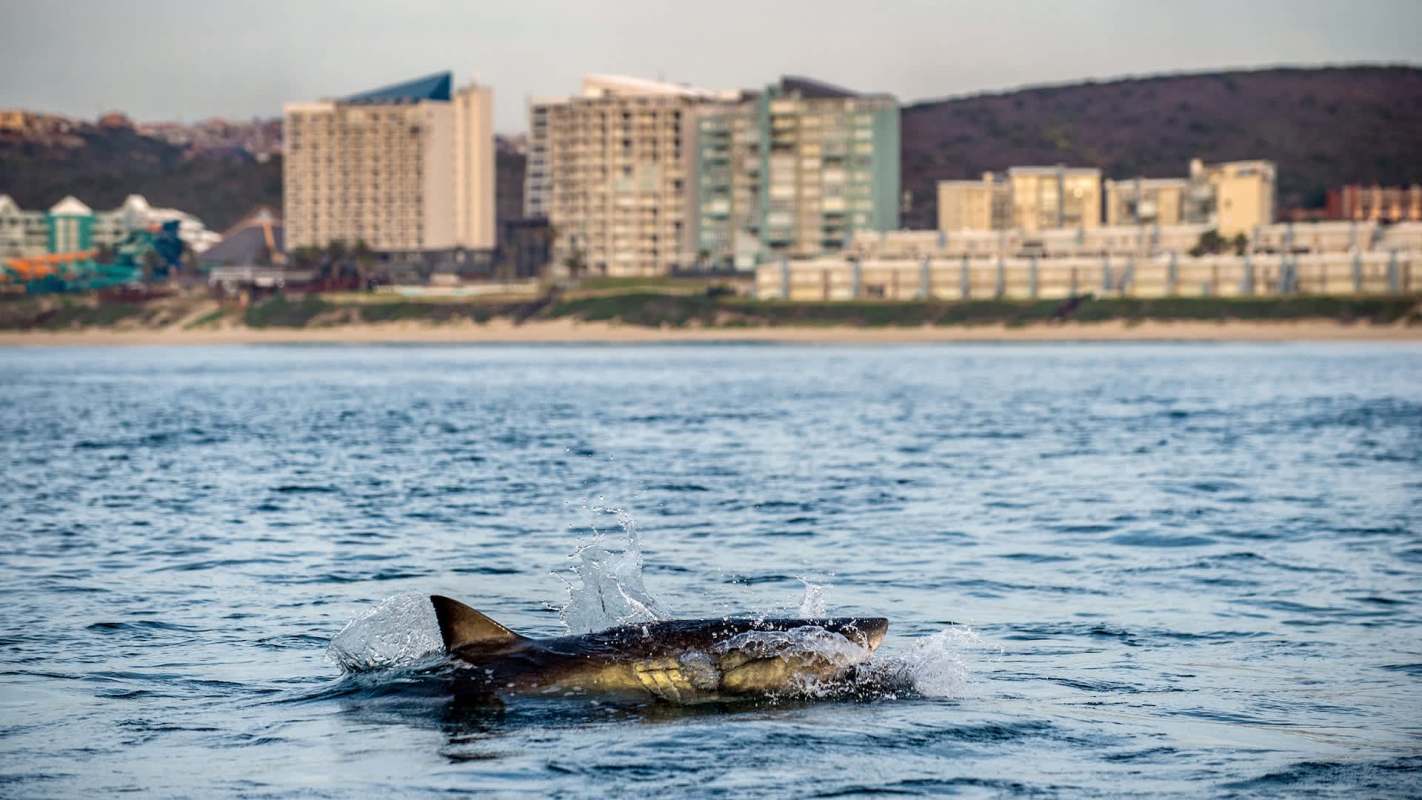
California's coastline could take on a far more tropical feel in the coming months — and not just because of warming waters.
Experts say a strengthening El Niño could make for a "sharky summer," but sharks are only part of the change: juvenile white sharks, stingrays, sea snakes, tuna, and other species could move north in unusually large numbers.
What's happening?
USA Today reported that ocean conditions off California are already being reshaped by a growing El Niño on top of an existing marine heat wave.
Researchers have already spotted mahi mahi, and Douglas McCauley, director of the Benioff Ocean Initiative at the University of California, Santa Barbara, said the warm water should also bring "more bluefin tuna," plus "more sea turtles and sea snakes." As he put it, "We expect to see all kinds of weird tropical things come up with this warm water."
According to Chris Lowe, a professor of marine biology and director of the Shark Lab at Long Beach State University, warm water can shift prey such as squid, anchovies, and sardines farther north, and larger predators follow.
Lowe noted that tiger and bull sharks have appeared off California during past strong El Niño years, and he said this season could look similar.
TCD Picks » Quince Spotlight
💡These best-sellers from Quince deliver affordable, sustainable luxury for all




Two of the most significant changes may be bigger numbers of juvenile white sharks and stingrays. Lowe warned, "When I say this is going to be a sharky summer, what I should also say is it's going to be a stingray summer as well."
Why does it matter?
The shift could mean more encounters with animals that are not usually seen as often in California waters — and, in some cases, more injuries.
Stingrays may be an especially immediate concern. Lowe said California lifeguards handle at least 10,000 stingray injuries each year, and he expects that total to rise, according to USA Today.
El Niño reduces the cold, nutrient-rich upwelling that normally supports California's marine food web. As Lowe put it, "We get this whole different ocean."
That kind of change can affect where fish feed, where sharks hunt, and how other marine species survive.
McCauley called the current setup "a double whammy," with El Niño adding to heat already linked to a marine heat wave and other effects of planetary warming.
As BBC Future has reported, unusual wildlife encounters are often tied to changes humans make to climate and habitat. In this case, hotter oceans may be making once-rare sightings more common.
What's being done?
Researchers are working to improve public warning systems as ocean conditions continue to shift.
McCauley said a UC Santa Barbara drone effort has found white shark numbers near one local beach running about twice as high this year, according to USA Today. That work feeds into SharkEye, a project that relays shark sightings to lifeguards and the public.
Lowe said the Shark Lab is also trying to help fishermen, surfers, and other ocean users prepare for an unusual season by showing what is in the water and how to lower risk.
The season will likely bring closer attention to posted warnings, lifeguard instructions, and local shark-tracking updates, along with the need to keep a safe distance from unexpected animals.
McCauley singled out the yellow-bellied sea snake, calling it "a highly venomous sea snake" that "should not be handled."
Even if shark numbers rise, experts said the larger increase in risk may come from stingrays, not from the animals that usually get the most attention.
Lowe warned that people entering the ocean this summer and fall "may have to change their behavior to be safe."

Get TCD's free newsletters for easy tips, smart advice, and a chance to earn $5,000 toward home upgrades. To see more stories like this one, change your Google preferences here.






