


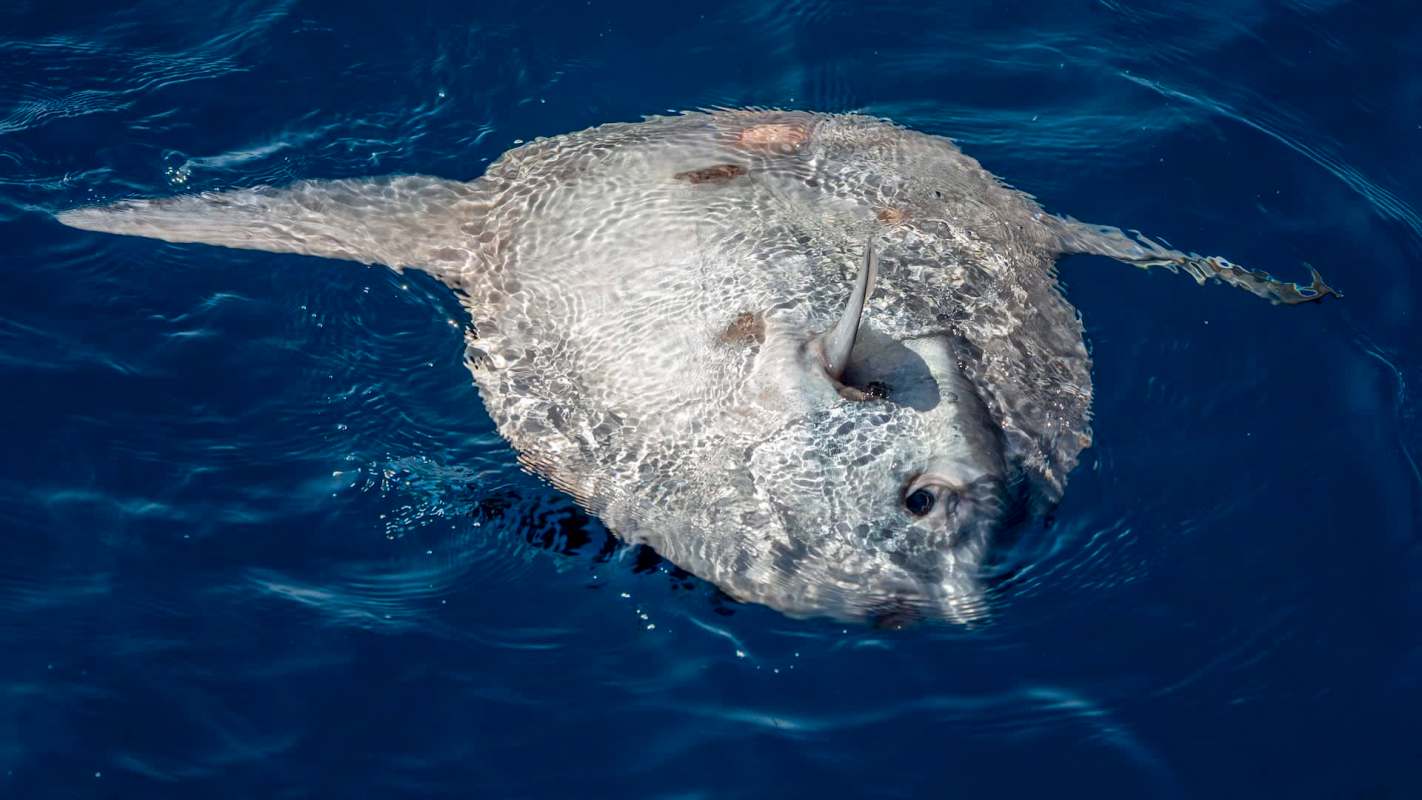
This summer, Wales' coast has drawn an unusual mix of marine visitors, including Mediterranean sea hares, giant ocean sunfish and clusters of purple by-the-wind sailors.
What's happening?
The Daily Post reported that a record marine heatwave has driven U.K. sea temperatures well above normal, and the effects are already showing up along the Welsh coast.
Ocean sunfish — the world's second-largest bony fish — have been appearing repeatedly, while other recent sightings include a minke whale off Ceredigion and a grey triggerfish caught near Anglesey.
Frankie Hobro, owner and director of Anglesey Sea Zoo, said the sunfish are "amazingly rare" to spot.
The sea zoo has had to switch on its water chillers a month earlier than it did in 2022 so incoming seawater stays cool enough for its exhibits.
Met Office scientists say seas are running about 2 degrees Celsius (3.6 degrees Fahrenheit) warmer than usual on average, with some coastal stretches in Wales and England seeing anomalies of 5 degrees Celsius (9 degrees Fahrenheit).
TCD Picks » Quince Spotlight
💡These best-sellers from Quince deliver affordable, sustainable luxury for all




Hobro said that with an El Niño year on top of the marine heatwave, it "could be that worse is yet to come."
Why does it matter?
Hotter seas can shift where marine animals live, change what they eat, and affect whether they can survive sudden cold snaps later in the year.
Hobro said a long-lasting marine heatwave "may have implications for sealife across the planet, also affecting seafood production and fishing stocks - which feed three billion people."
El Niño is a natural climate pattern, but long-term ocean warming is being amplified by heat-trapping pollution from burning non-renewable energy sources like gas, oil, and coal.
In the U.K., that added warming can also help drive heavier rainfall, stronger storms and more serious coastal flooding.
There are also public safety concerns for people spending time near the sea. Warmer water can bring in more jellyfish and other unfamiliar — and sometimes dangerous — species.
Hobro said likely newcomers include more Portuguese man o' war, whose sting can cause severe pain, as well as weever fish, the U.K.'s only venomous fish.
What's being done?
Rescue efforts for marine life are already expanding in response, according to the Daily Post.
Anglesey Sea Zoo has treated cold-stunned turtles that drifted north in warm water before autumn storms and falling temperatures left them trapped. Rehabilitation can take a year or more before the turtles are ready to be released back into warmer seas.
Because more turtles have been washing up on U.K. shores, the zoo is now raising money for what would be the country's first center devoted to turtle rescue and rehabilitation.
That would give responders more capacity as marine heatwaves and abrupt weather changes place additional strain on marine animals.
Reporting unusual sightings to local wildlife groups can also help scientists monitor how quickly warming seas are reshaping coastal ecosystems.
As Hobro put it: "Marine biologists don't believe temperatures have reached lethal levels off Britain's coasts yet, but should they continue to rise, that may change. For the sea creatures within, there will be no escape from the heat."

Get TCD's free newsletters for easy tips, smart advice, and a chance to earn $5,000 toward home upgrades. To see more stories like this one, change your Google preferences here.






