


Tiny plastic particles are showing up in unexpected places — and new research suggests they're doing real damage to the plants we rely on for food.
What's happening?
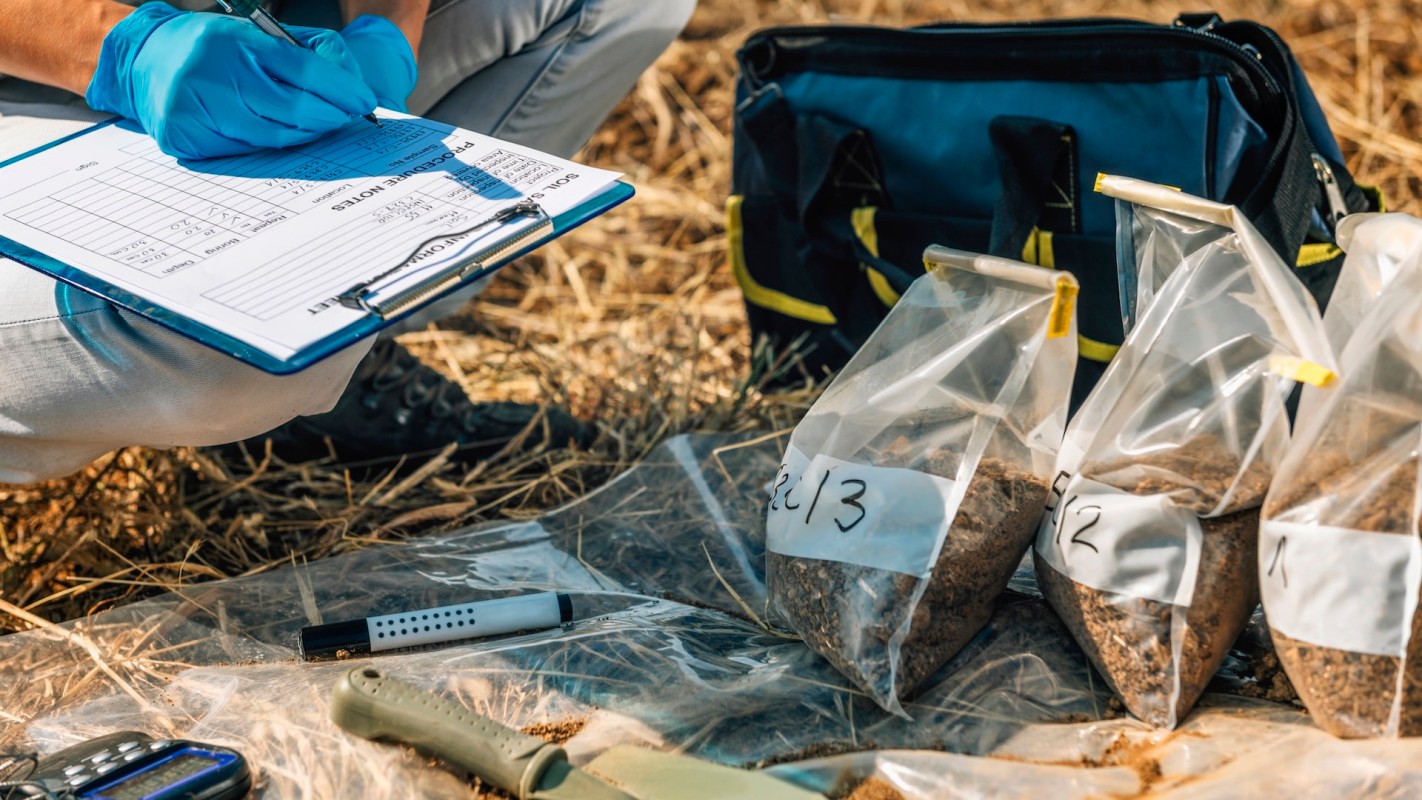
Scientists at the University of Leeds recently found that microplastics in soil are disrupting the growth of edible crops, according to a new study in Frontiers in Plant Science.
The researchers grew Chinese cabbage and cherry radish in soils containing different levels of polystyrene microplastics — 10, 50, and 100 milligrams per kilogram. They found that the vegetables suffered major growth problems, even at lower levels of plastic.
Cherry radishes had roots that were 35% shorter and fruit that was more than 20% smaller in diameter. Chinese cabbage saw nearly 42% fewer petioles and a 36% smaller leaf area.
The team noted that the most severe damage actually happened at lower concentrations, showing that even modest levels of soil contamination could cause harm.
"The results provide new insight into MP phytotoxicity and inform future risk assessments under realistic soil conditions," the researchers wrote.
Why is this concerning?
Plastics break down into tiny fragments that linger for centuries. These particles, known as microplastics, don't just sit in the soil — they interact with the plants that we eat.
The study found that microplastics physically blocked radish roots, while cabbages showed signs of oxidative stress, which can damage plant cells. The result: weaker crops, lower yields, and a risk to food security if soil pollution continues to spread.
Microplastics have already been found in water, seafood, and even human blood and placentas. Now that scientists know they can reduce the size and health of crops, the threat is moving directly into our food supply.
Other studies have revealed similar worrying trends. One recent analysis found that nearly 5,000 plant species may be at risk of extinction, while insects critical to pollination are facing major declines — both due to human impacts.
TCD Picks » Quince Spotlight
💡These best-sellers from Quince deliver affordable, sustainable luxury for all




|
Do you worry about having toxic forever chemicals in your home?
Click your choice to see results and speak your mind. |
 Majorly 😥
 What's being done about microplastics?
The best way to stop microplastics from entering our soils is to reduce plastic waste in the first place. That can mean using less plastic, repurposing packaging, and knowing local recycling options.
At the same time, research is promising. Scientists have found natural ways to break down pollutants in soils and have even found rare plants returning after a century. These discoveries show that with restoration and innovation, ecosystems can rebound.

Join our free newsletter for weekly updates on the latest innovations improving our lives and shaping our future, and don't miss this cool list of easy ways to help yourself while helping the planet.
Cool Picks





