


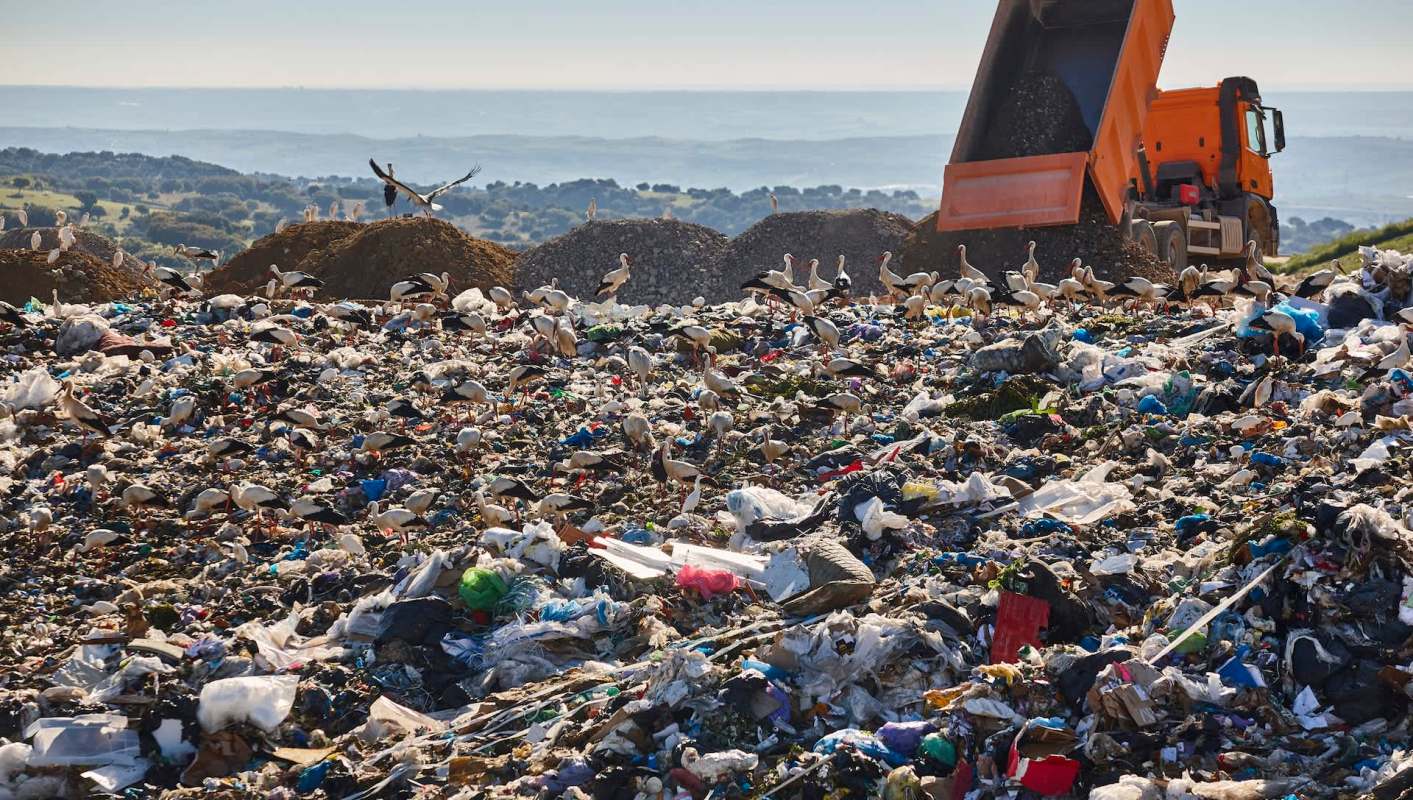
A recycling nonprofit in Manitoba, Canada, is sounding the alarm about a growing environmental and economic problem hiding in plain sight: old electronics getting tossed into landfills.
In an interview with CityNews Winnipeg, staff at the Electronic Products Recycling Association warned that when outdated TVs, laptops, and phones end up in landfills, the damage extends far beyond simple clutter.
Once these items are crushed, their internal components — including leaded glass, mercury vapor, and lithium batteries — become exposed to the elements.
"Once it's in the landfill, it gets crushed, and the items that are safe inside are now exposed," Dennis Neufeld, EPRA's program director, said, per CityNews. "We need to keep them out of the landfill … and recycle them properly once we get them."
While many people associate pollution with plastics or smog, e-waste represents a different kind of threat — one that drains both natural resources and the money invested in producing them.
Lithium batteries, copper wiring, aluminum housings, and steel frames all require intensive mining, manufacturing, and labor. When tossed away, these valuable materials are wasted.
Improper disposal poses environmental risks, too. Heavy metals and microplastics escaping from broken electronics can contaminate waterways and local ecosystems, and those contaminants can ultimately make their way into the food chain and threaten human health.
EPRA noted that recycling electronics keeps metals circulating in the marketplace, reduces mining impacts, and prevents hazardous substances from leaching into soil and water.
Similar concerns have surfaced in other household-hazard research, including recent studies on plastics in everyday products and Teflon in nonstick pans.
For consumers, EPRA emphasizes that recycling electronics is free and easy at depots across the province — and every recovered battery, wire, and circuit board cuts down on costly new manufacturing and helps prevent environmental pollution.
TCD Picks » Quince Spotlight
💡These best-sellers from Quince deliver affordable, sustainable luxury for all




"It's very easy," Neufeld said per CityNews. "We go through the process of breaking it down … recapturing the good stuff, looking after the bad stuff."
|
Do you recycle your old electronics? Click your choice to see results and speak your mind. |
 Yes! 👍
💰Get TCD's free newsletters for easy tips to save more, waste less, and make smarter choices — and earn up to $5,000 toward clean upgrades in TCD's exclusive Rewards Club.
Cool Picks





