


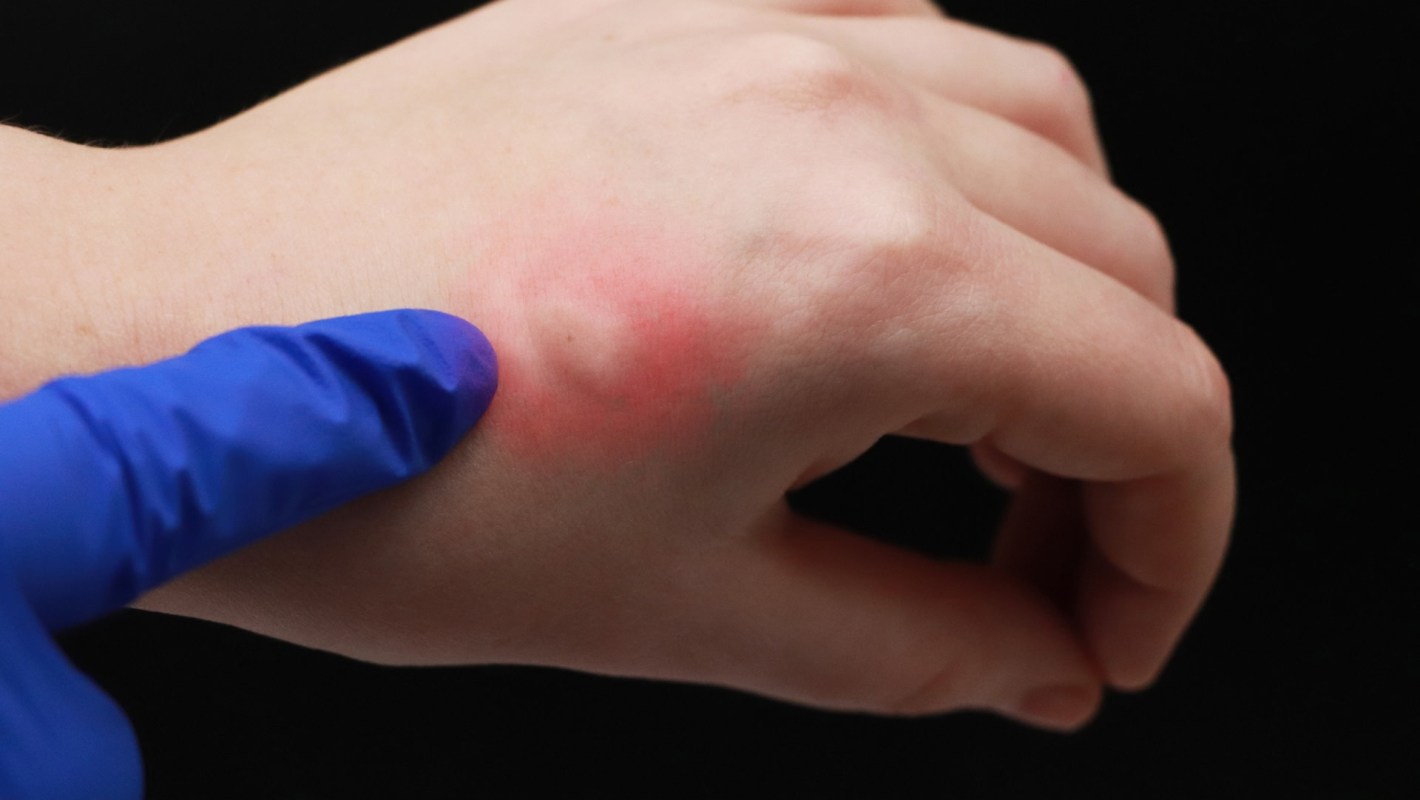
For researchers at Stanford University, the impact of rising global temperatures on the spread of disease-carrying mosquitoes has been playing out right in their own backyard.
Erin Mordecai, a Stanford scientist, warned that "for the first time a couple of summers ago, we saw dengue transmission in Southern California and in several locations around California," according to ABC7 Bay Area.
"Increasingly we're worried in the state that … these viruses are going to be able to get established in our local mosquito populations, particularly as the summers are getting warmer," she continued.
What's happening?
As global temperatures continue to rise, the geographic range of disease-carrying mosquitoes has rapidly expanded, increasing the number of people at risk of contracting these oftentimes deadly illnesses.
For a soon-to-be-released paper, Mordecai and her fellow researchers studied this worrying phenomenon up close in rural Costa Rica. There, they collected mosquito samples in order to better understand how and to what extent disease-carrying species have been spreading, per ABC7.
Only certain kinds of mosquitoes have been known to carry deadly diseases such as malaria and dengue fever. As global temperatures have increased, those pests have been able to survive and even thrive in geographic areas where they previously could not.
With the reach of these mosquitoes expanding, including into California, the potential for human exposure to the diseases they bring with them also has grown.
Why is the spread of disease-carrying mosquitoes important?
Mordecai and her team discovered that these impacts were not merely hypothetical projections predicted to affect humans at some point in the future. Already, the spread of disease-carrying mosquitoes has had an enormous impact.
"The key result that we've found is that actually a very large proportion of the existing burden on dengue, tens of millions of cases, is attributable to climate change that has already happened," Mordecai explained, per ABC7.
This expansion means that the world's deadliest animal, responsible for roughly 600,000 annual malaria deaths alone, per the Centers for Disease Control and Prevention, has become even deadlier.
TCD Picks » Quince Spotlight
💡These best-sellers from Quince deliver affordable, sustainable luxury for all




|
Do you worry about the quality of the air inside your home?
Click your choice to see results and speak your mind. |
 Yes — often 😬
 What's being done about disease-carrying insects?
In the immediate term, individuals can take steps to protect themselves and their families from disease-spreading mosquitoes by using insect repellant, wearing loose-fitting clothing with long sleeves and pants, and draining sources of standing water at least once every week, per the CDC.
Using screens on doors and windows as well as mosquito nets can also prevent mosquitoes from entering living areas.
Additionally, continuing to fund research such as that being conducted by Mordecai and her colleagues, as well as regular mosquito surveillance, is key to protecting the public.
"It's a lot of proactive surveillance," said Angie Nakano, director of the San Mateo County Mosquito and Vector District, per ABC7. "We're setting traps that are targeted to detect these species of mosquitoes. And when we find them, you know, do everything we can as quick as possible to make sure they don't stick around."
In the long run, however, the best way to control the spread of disease-carrying mosquitoes is to reverse the trend of rising global temperatures. This will require significantly reducing the amount of heat-trapping pollution being released into the atmosphere.
To help push for the necessary political action, you can use your voice, contact your elected representatives, and support pro-climate-action candidates.
Taking things a step further, driving an electric vehicle or installing solar panels on your home can reduce planet-warming pollution while also saving money on electricity and gas.
EnergySage makes it easy to compare quotes among vetted local installers while also making sure that customers take maximum advantage of tax credits and other available incentives, saving them up to $10,000.
With federal tax credits for solar expiring at the end of 2025, the time to act is now.

Join our free newsletter for weekly updates on the latest innovations improving our lives and shaping our future, and don't miss this cool list of easy ways to help yourself while helping the planet.
Cool Picks





