


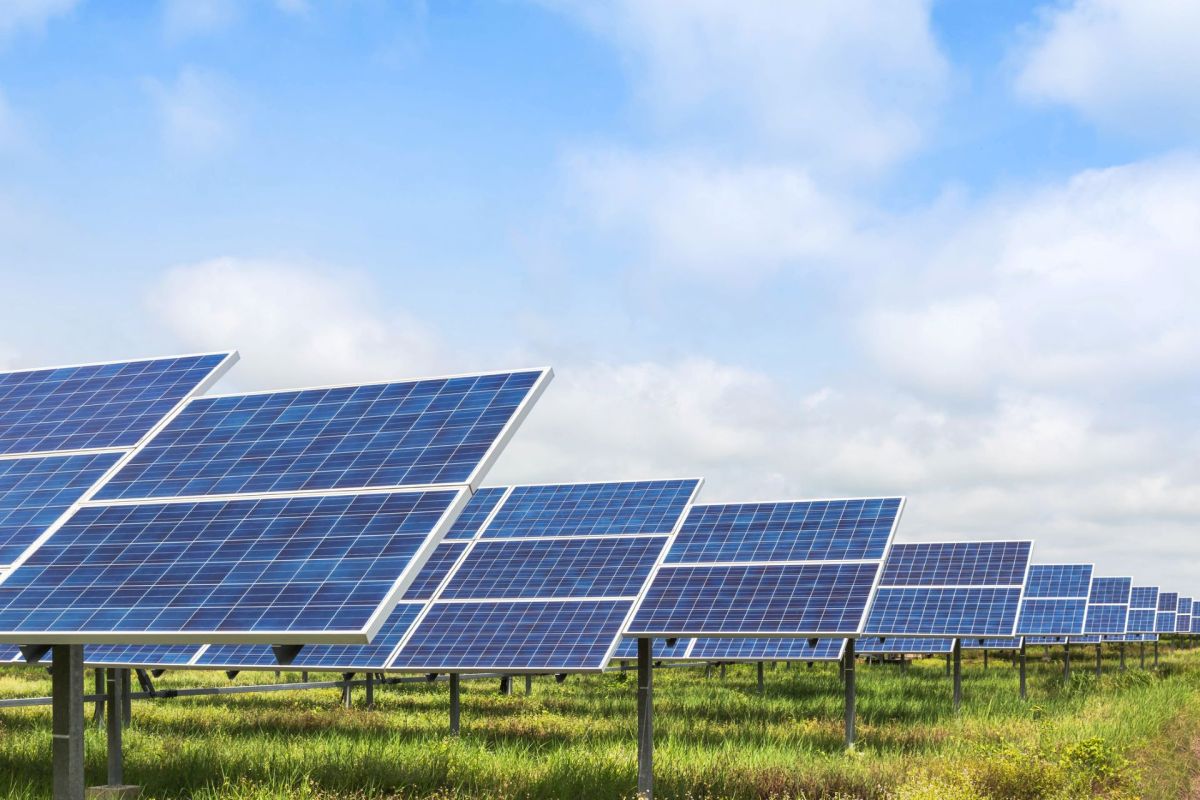
A farming family in Dover, Delaware, is putting part of its land to work as a community solar farm, creating a new source of electricity that won't just help the local economy, but also power hundreds of homes.
That shift, which dedicates about a third of the property to solar panels, reflects a wider push to add new power sources quickly and give residents another option for reducing what they pay each month for electricity.
What's happening?
According to NBC Philadelphia, a 32-acre stretch of farmland in Dover now hosts a community solar installation made up of nearly 12,000 panels, enough to provide electricity to about 774 homes.
Nautilus Solar Energy developed the site and says Delmarva Power customers in Delaware can easily take part without needing to install panels on their own properties — the company says the subscription model could lower many participants' electric bills by 10% to 20%.
Delaware public advocate Jameson Tweedie said additional generation like this is especially important for the region's power needs.
"We are in a moment where we need a lot of generation, and that may need to come from all different types of generation," Tweedie said.
TCD Picks » Quince Spotlight
💡These best-sellers from Quince deliver affordable, sustainable luxury for all




The idea has not won everyone over. As NBC Philadelphia reported, some residents have pushed back on using farmland for solar and said they would rather see commercial projects such as parking lots and retail.
Why does it matter?
Lower monthly bills are one potential benefit. Community solar can create savings opportunities for people who cannot install rooftop panels because they rent, live in shaded homes, or cannot afford the upfront cost.
The installation also increases the area's power supply as electricity demand grows. That added local generation could become more valuable if proposed data centers move ahead across the region, since those facilities require enormous amounts of electricity.
There are environmental and health benefits as well. Solar power produces electricity without the air pollution associated with burning fossil fuels, helping reduce the emissions that contribute to climate concerns and respiratory illness.
The debate over land use reflects a challenge playing out in communities across the country: how to balance food production, development, and cleaner energy. In this case, supporters argue that dedicating some acreage to power production offers a practical middle ground.
What's being done?
Nautilus Solar says projects like this can be built relatively fast, and it says the ground beneath the panels is left largely intact. That makes them one possible route for communities trying to add cleaner electricity without waiting years for large new generating stations.
Tweedie said these projects matter not just one by one, but in combination. A growing pipeline of smaller solar sites, he said, can still add up to meaningful support for the grid and for customers facing higher electric costs.
The company also pointed to local economic benefits. In addition to construction, solar developments can lead to more job opportunities for people — which is crucial especially in today's tough job market. Jobs tied to surveying, studying, maintaining, and landscaping the sites will help keep the project up and running.
For residents, community solar can provide access to cleaner energy without requiring rooftop changes or a major home installation. In Delaware, some Delmarva Power customers may be able to save money simply by subscribing.
"Now, it's not at the scale of a nuclear plant or a huge combustion facility, but every megawatt that can come online counts," Tweedie said.
Eric Paul, senior vice president of Nautilus Solar, added: "It does create opportunity."

Get TCD's free newsletters for easy tips, smart advice, and a chance to earn $5,000 toward home upgrades. To see more stories like this one, change your Google preferences here.






