


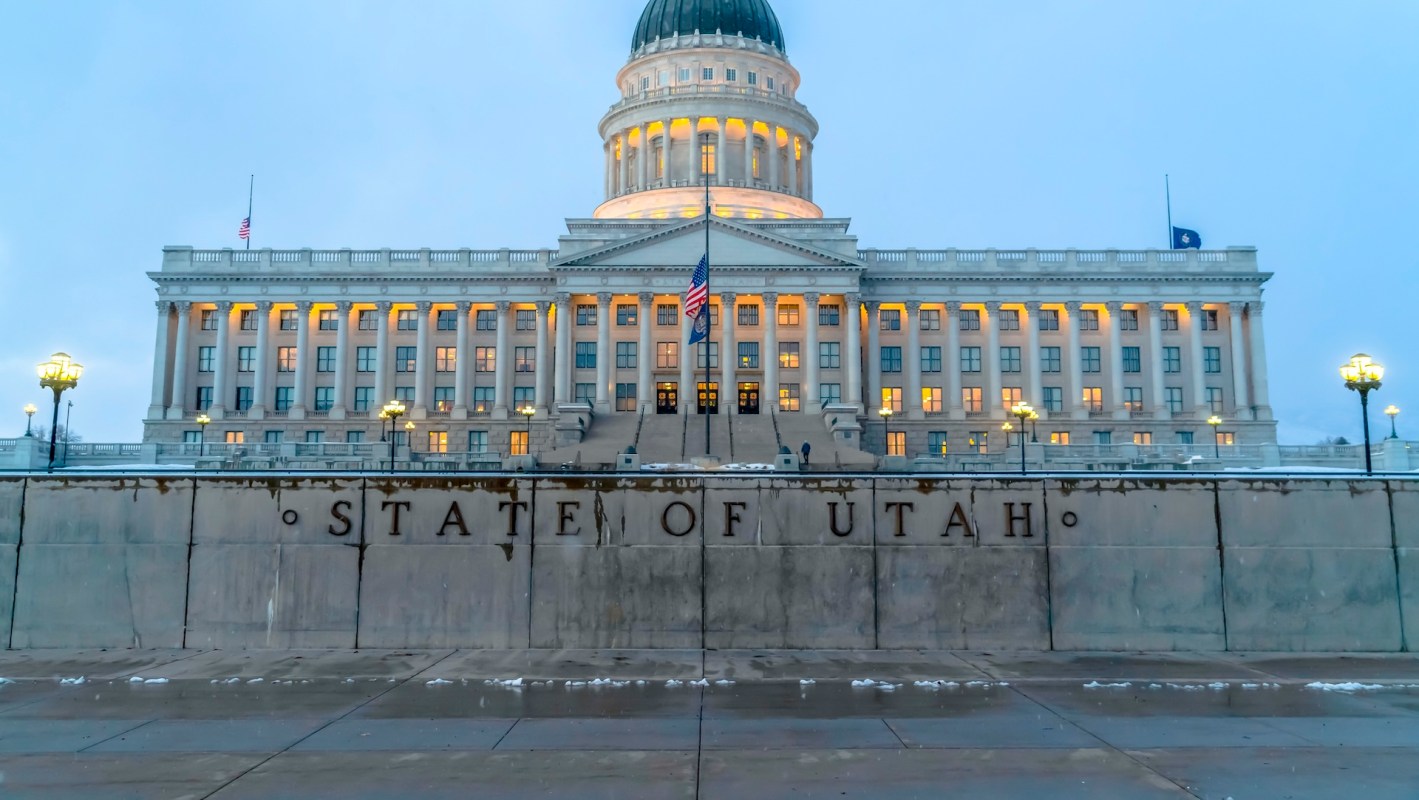
Opposition to data center growth linked to artificial intelligence turned into a voting issue in Utah.
That became clear when Senate President J. Stuart Adams was defeated in his Republican primary last week after supporting a massive development near the Great Salt Lake, with debate over electricity demand, water consumption, and affordability increasingly spilling into campaigns.
What happened?
The dispute involved the proposed Stratos campus in Hansel Valley, Box Elder County, a large data center development backed by Shark Tank investor Kevin O'Leary.
As Newsweek reported, Adams drew heavy criticism for supporting the project while residents argued it was advancing despite local opposition.
The project could require 9 gigawatts of electricity — more than Utah uses statewide — The Guardian reported. O'Leary told NBC News he was willing to scale it down.
The political fallout reached beyond Adams.
TCD Picks » Quince Spotlight
💡These best-sellers from Quince deliver affordable, sustainable luxury for all




Lee Perry, a Box Elder County commissioner who voted to move the project forward, also lost his primary. Other local officials connected to the plan were also defeated.
Why does it matter?
AI is closely linked with data centers because training and operating AI systems demands enormous, continuous computing capacity. That can strain the power grid and, in some cases, water resources used for cooling.
AI can bring benefits, but the facilities that support it can also raise concerns about environmental strain, noise pollution, and high electricity bills. Those latter concerns can hit consumers directly if utilities pass along the costs of added generation, substations, or transmission lines to ratepayers.
Newsweek said skepticism is widespread. Reuters/Ipsos found that 57% of Americans opposed having a data center in their community, while Gallup found that about 7 in 10 oppose local construction.
Utah is not alone. Similar resistance has surfaced in Oregon, Texas, Missouri, Michigan, Virginia, and Florida, where officials are facing growing pressure to make sure residents are not left covering the costs of AI-related expansion.
What are people saying?
"Do I think that the data center vote cost me the election? Yes, I do," Perry said, according to Newsweek.
Dan Cassino, a Fairleigh Dickinson University professor of government and politics and executive director of the FDU Poll, said affordability is driving the political response.
"Since the pandemic, affordability has become a key issue in U.S. politics, and energy prices are the current face of affordability," he told Newsweek, adding, "Banning data centers is pretty much the most popular option."
In Missouri, where voters also removed officials who supported a major project, winning candidate Rick Belleville called the result an "uprising."

Get TCD's free newsletters for easy tips, smart advice, and a chance to earn $5,000 toward home upgrades. To see more stories like this one, change your Google preferences here.






