


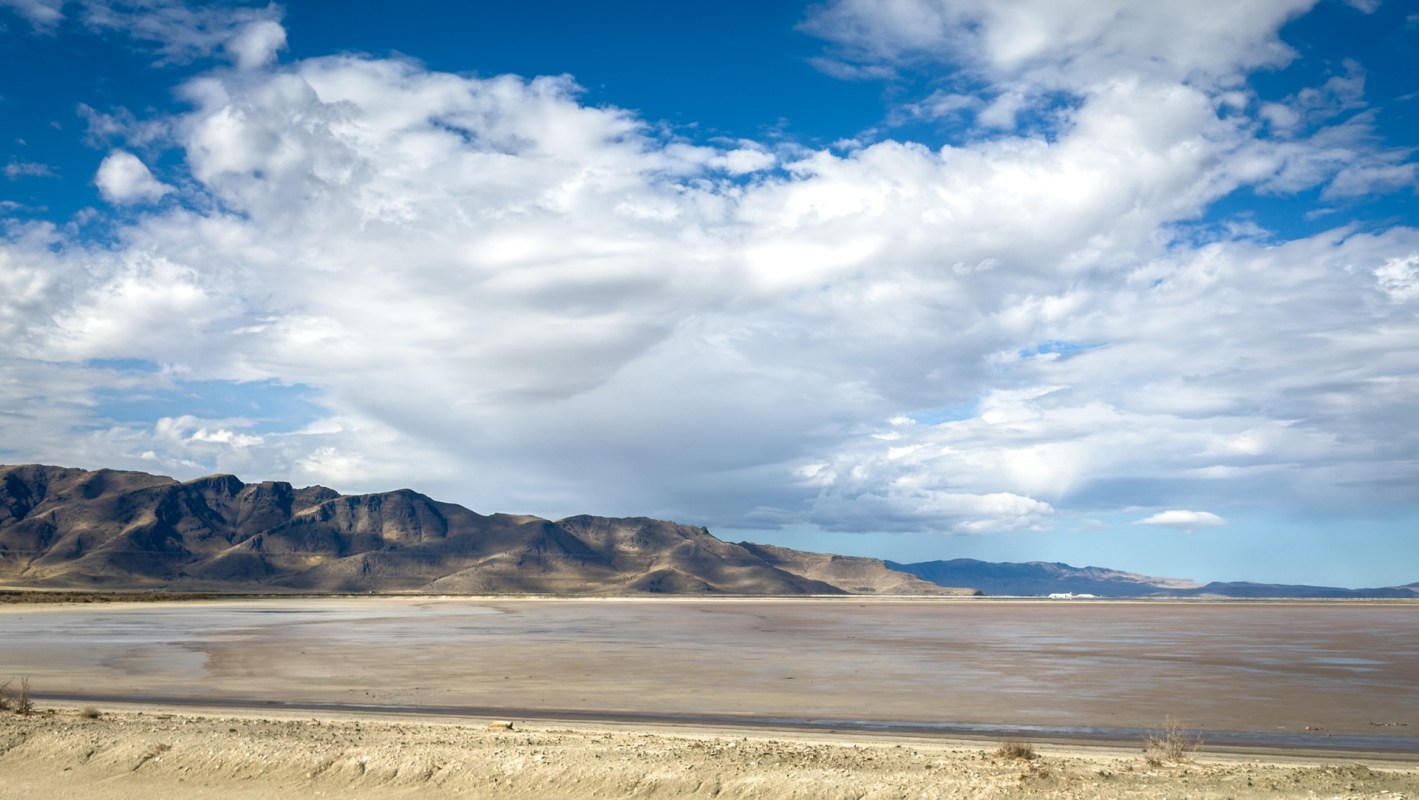
A new water-rights filing tied to a proposed mega data center in northern Utah is renewing fears about the future of the Great Salt Lake, just as new renderings offer the clearest look yet at what the massive development could become.
What's happening?
A proposal connected to the Box Elder County data center project seeks to transfer 11 acre-feet of water from an unnamed spring in Hansel Valley, KSL reported.
That marks a steep drop from a previous 1,900-acre-foot application that was withdrawn May 7 after prompting around 3,800 protests.
Still, opponents argue that the smaller request serves the same larger project backed by "Shark Tank" billionaire Kevin O'Leary and O'Leary Digital.
"It is a smaller amount. It's 11 acre-feet, but it's for the same purpose," Deeda Seed of the Center for Biological Diversity told KSL. "What we think is going to happen is they're going to work to accrue these small water rights."
The filing says most of the water is intended for power production, while a smaller share would circulate through a closed-loop data center system. According to KSL, the application also describes routine operations as non-consumptive and says any water released during maintenance would make its way back to the Great Salt Lake watershed.
TCD Picks » Quince Spotlight
💡These best-sellers from Quince deliver affordable, sustainable luxury for all




At the same time, new renderings published by Dezeen show just how large the project could be, including 60 data center buildings, a 3,000-acre solar array, and an "innovation district" in the West Desert.
"We want a beautiful, poetic design. … Our job is to honor the place it sits in and to be poetic about it," said Paul Palandjian, CEO of O'Leary Digital.
Why does it matter?
The proposal is facing intense scrutiny because the Great Salt Lake is already under strain from long-term water shortages, and data centers can consume huge amounts of both electricity and water.
Critics worry that even relatively small individual filings could add up over time if the development expands toward its full vision, which includes 7.5 to 9 gigawatts of power-producing capacity.
As artificial intelligence expands, so does the need for the computing infrastructure that supports it, much of which depends on energy-hungry data centers.
AI has the potential to help society in meaningful ways, including by improving grid management, forecasting electricity demand, and making clean energy systems more efficient. However, that growth can also place greater strain on power supplies, increase water use for cooling, raise energy bills, and fuel concerns around security, misuse, and other unintended social consequences.
The first formal protest against the latest water filing has already been submitted.
In that protest, Box Elder County resident Marcia Wendorf argued that the plan lacks sufficient detail and could impair existing water rights while harming "the more beneficial use of preserving Great Salt Lake."
The debate also reflects a broader tension playing out across the country: how to expand digital infrastructure without putting fragile ecosystems and local communities at greater risk.
What's being done?
State and local officials have already taken steps to move the project forward.
According to KSL, the Military Installation Development Authority board signed off in late April, and Box Elder County commissioners passed two resolutions on May 4 so the plans could keep moving.
Developers say the project is important for economic growth, national defense, and U.S. competitiveness in AI.
O'Leary recently wrote on X that the U.S. risks falling behind China if it cannot build data center infrastructure faster.
Meanwhile, residents and advocacy groups are using the public protest process to challenge water transfers and push for more transparency. The newly released renderings could also intensify public debate by making the project's scale easier to grasp.
As the design, power, and water plans come into sharper focus, so too will the question of whether the development's promises outweigh its environmental risks.

Get TCD's free newsletters for easy tips, smart advice, and a chance to earn $5,000 toward home upgrades. To see more stories like this one, change your Google preferences here.






