


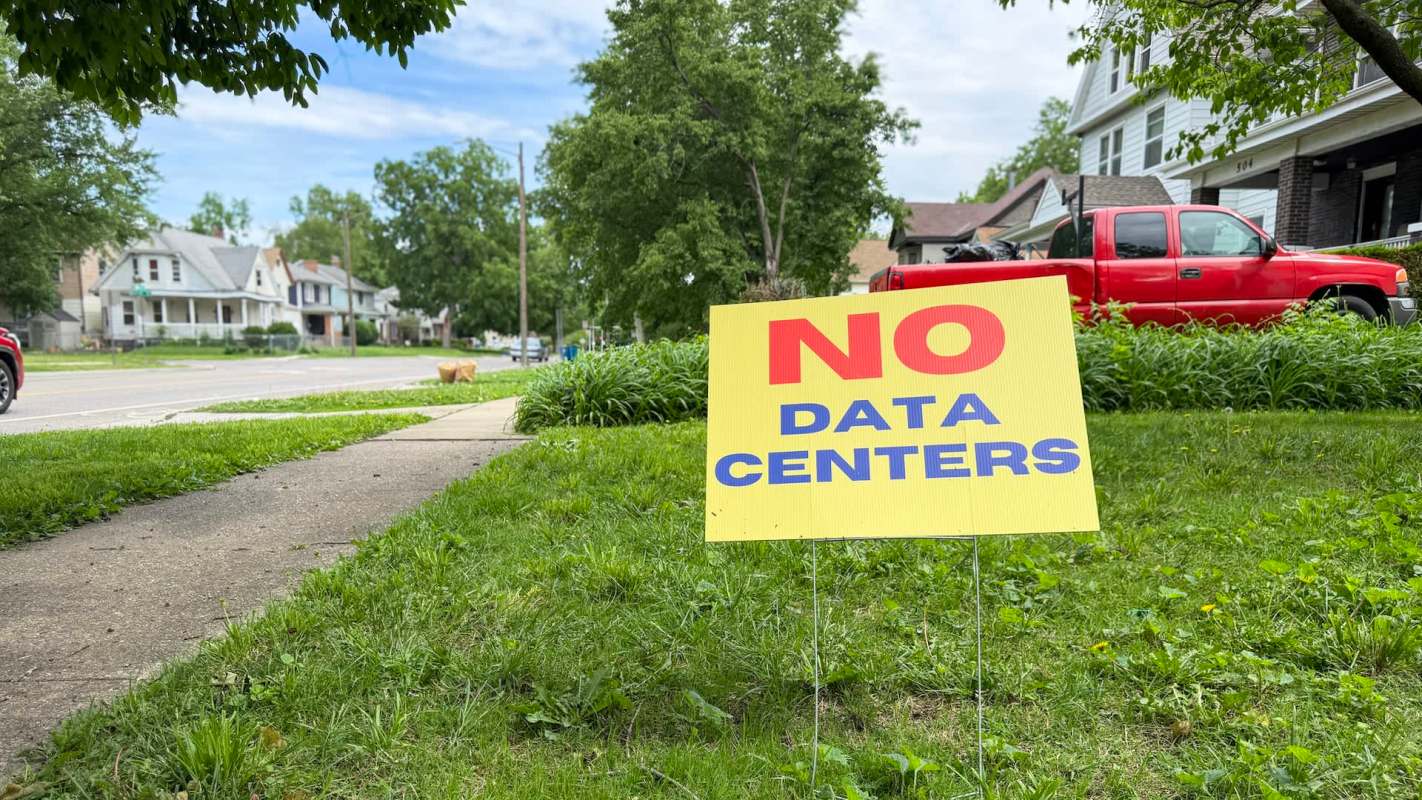
The pushback against data centers is no longer just a local zoning fight. From Utah to Georgia, residents are pressuring officials to slow down or halt massive projects as concerns over water use, pollution, and electricity demand move into the national spotlight.
A recent rally at the Utah Capitol drew hundreds calling for the Stratos Project to be stopped; the proposal would span 40,000 acres on the north shore of the Great Salt Lake. The protest came after county commissioners voted to let the project proceed despite local objections.
A similar scene unfolded in Southern California, where hundreds turned out at a Coachella City Council meeting to oppose a Stronghold Power-backed project that would cover more than 400 acres with six separate data centers.
The issue has also reached Washington. Rep. Alexandria Ocasio-Cortez used jars of brown well water from Morgan County residents at a House Energy and Commerce Committee hearing while pressing the EPA over contamination neighbors say is tied to a nearby Meta data center.
A new Gallup poll found roughly seven in 10 Americans oppose having data centers built near them, with resistance cutting across party lines.
Data centers are essential to today's digital economy, especially as the AI boom continues to accelerate. These facilities power cloud computing, online services, and AI systems that can help forecast energy demand, improve grid efficiency, and support cleaner technologies.
TCD Picks » Quince Spotlight
💡These best-sellers from Quince deliver affordable, sustainable luxury for all




But critics argue those benefits come with serious tradeoffs. Data centers require massive amounts of electricity and, in some cases, huge volumes of water for cooling. For nearby communities, that can mean fears of strained water supplies, rising utility costs, pollution, and dramatic land-use changes.
In places already under environmental stress, a giant new facility can feel less like innovation and more like another burden. Even people who support new technology may still object when a project appears likely to worsen local air quality, threaten drinking water, or put more pressure on an already strained power grid.
Communities are increasingly organizing broad coalitions to demand moratoriums, stricter environmental reviews, or outright denials of proposed projects. So far, those efforts appear to be having an impact, given the sharp rise in restrictions and rejections this year.
Lawmakers are also beginning to elevate these local complaints into national policy conversations. Congressional scrutiny, public hearings, and growing media attention could push agencies and state officials to take a closer look at permitting, water use, energy demand, and pollution risks before approving new campuses.
As this fight grows, the divide is only sharpening. Protesters say the risks are real, while Stratos backer Kevin O'Leary has dismissed them as "bused in" and "misinformed."

Get TCD's free newsletters for easy tips, smart advice, and a chance to earn $5,000 toward home upgrades. To see more stories like this one, change your Google preferences here.






