


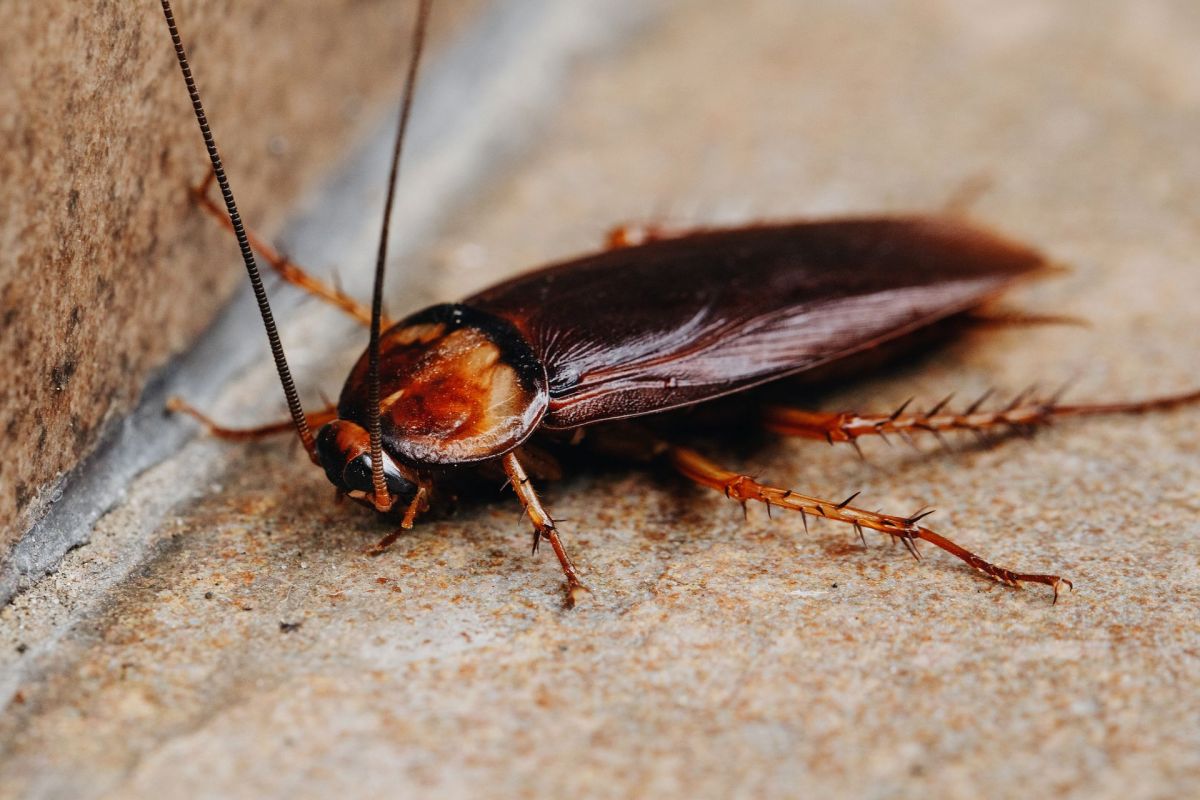
Live TV can go off-script fast, but even seasoned reporters probably do not expect a cockroach cameo.
That is what happened in Sherman Oaks, where KTLA reporter Rachel Menitoff stayed on task as a large bug moved across her during a weather segment on Southern California's heat, producing a clip that quickly went viral.
What happened?
A bug that first showed up on Menitoff's shoulder eventually crawled over her stomach, chest, and neck while she was reporting on Southern California's ongoing heat wave. Before disappearing, it also jumped onto her microphone and then flew away.
She kept talking the entire time without any obvious break in concentration. Only when the live shot was over, she brushed the insect away and said, "Oh gosh. Oh, I feel something."
The video spread quickly online, where many viewers applauded her professionalism. The assignment itself was about extreme heat in the Valley, and KTLA noted that cockroaches are drawn to warm conditions and camera lights.
Why does it matter?
The insect's appearance may have been partly driven by human-created conditions: urban heat, artificial lighting, and dense development that can make cities especially appealing to certain pests.
TCD Picks » Quince Spotlight
💡These best-sellers from Quince deliver affordable, sustainable luxury for all




During heat waves, paved neighborhoods and buildings often hold onto warmth well after sunset, a phenomenon commonly known as the urban heat island effect. That can make nighttime outdoor work tougher on people while also creating favorable conditions for bugs that thrive in heat.
What can I do?
Sealing cracks, reducing moisture, storing food carefully, and taking out trash regularly can help make homes less attractive to cockroaches and other pests, especially during periods of intense heat.
If you are spending time outside during a heat wave, protecting yourself still comes first. Stay hydrated, seek shade when possible, and watch for signs of heat exhaustion, particularly if you work outdoors at night under bright lights or around equipment that gives off additional heat.
On a broader level, local cooling measures can make a real difference. Tree planting, shaded areas, cool roofs, and lighter-colored pavement can help lower neighborhood temperatures and reduce the strain heat puts on both people and surrounding ecosystems.
Individual actions will not solve extreme heat on their own, but they can make homes more comfortable and reduce pest pressure while communities push for fixes that cool the built environment.
Later, Menitoff described the choice she made in the moment: "I knew it was on me. But I knew if I took notice of it, I wouldn't be able to continue on with the report."

Get TCD's free newsletters for easy tips, smart advice, and a chance to earn $5,000 toward home upgrades. To see more stories like this one, change your Google preferences here.






