


Across England, millions of people may soon face an expensive consequence of warming summers: Drier soil beneath their properties could cause their houses to sink.
What's happening?
According to The Guardian, a British Geological Survey study points to a rising threat of climate-linked subsidence as summers become hotter and drier.
This shift can cause foundations to sink and damage buildings. After long spells of heat and little rain, soil can shrink, reducing the support it provides to foundations.
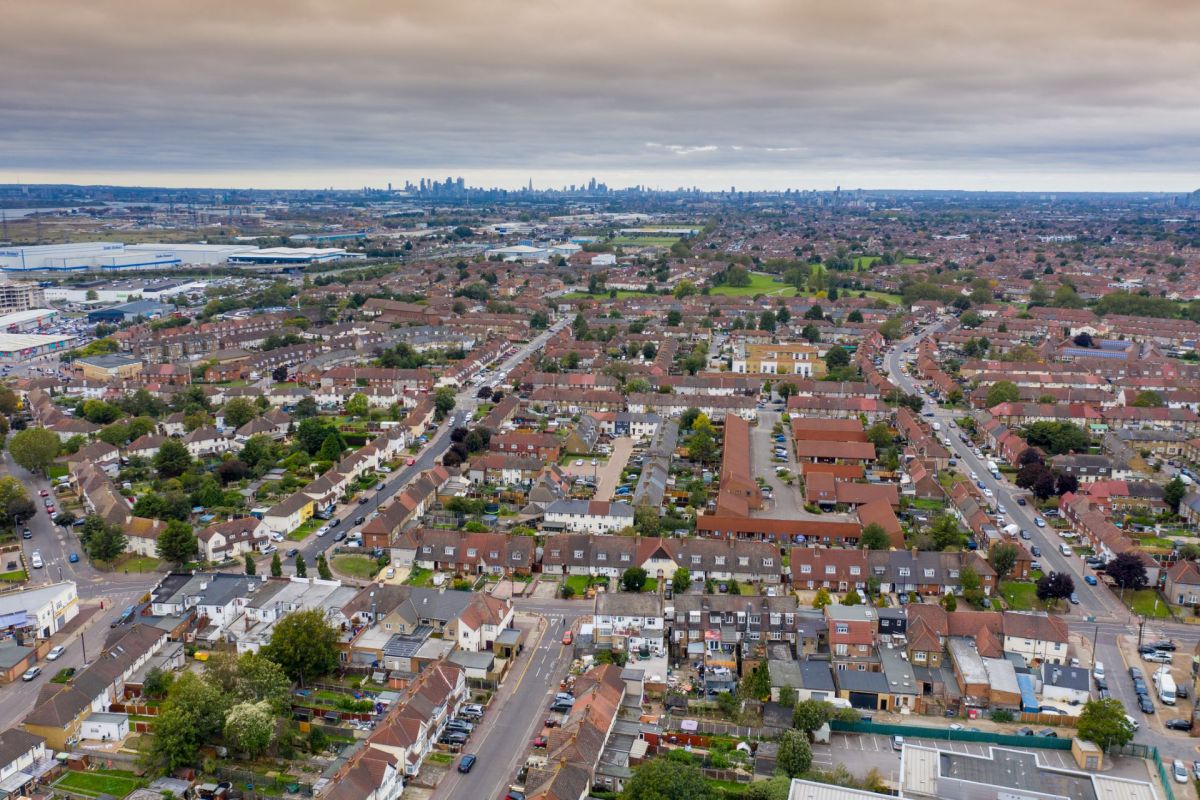
BGS researchers mapped parts of England where warming conditions leave housing particularly susceptible to subsidence. London, Essex, Kent, and an eastern corridor from Oxford to The Wash are especially at risk.
Why does it matter?
For communities already grappling with high housing costs, it adds another layer of pressure.
A home is often a family's biggest financial asset, so foundation damage can threaten both day-to-day safety and financial stability.
TCD Picks » Quince Spotlight
💡These best-sellers from Quince deliver affordable, sustainable luxury for all




Subsidence can also impact more than just a house's foundation. It can crack walls, jam doors and windows, damage pipes, and lead to other costly repairs.
Rising global temperatures are also making hot, dry summers more frequent, raising the odds of damage where homes sit on soil that can contract.
"Dry weather and high temperatures are a major factor in the emergence of shrink-swell subsidence. Looking ahead, these increases in hotter, drier summers and warmer, wetter winters are projected to continue," said Anna Harrison, a BGS scientist, per The Guardian.
This is just one example of how the changing climate is disrupting everyday life in ways that are easy to overlook. Extreme heat also affects health, crops, and water supplies.
When neighborhoods spend more on repairs, insurance claims, and retrofits, fewer resources are left for resilience upgrades.
What's being done?
Action to reduce harm will become increasingly important.
Already, pollution-reduction efforts have provided tangible benefits. The BGS findings could be another piece of the puzzle. By showing which areas are most likely to face subsidence tied to hotter, drier conditions, community councils, builders, and homeowners can better prepare.
"These properties might have foundations that currently can withstand the changes in moisture, but you might find in future there's going to be more movement. It's probably going to get worse," Harrison said.
For governments and planners, that could mean updating risk maps; reviewing building standards; and factoring hotter, drier summers into development decisions. This information may also help insurers and housing providers anticipate where support could be needed most.

Get TCD's free newsletters for easy tips, smart advice, and a chance to earn $5,000 toward home upgrades. To see more stories like this one, change your Google preferences here.






