


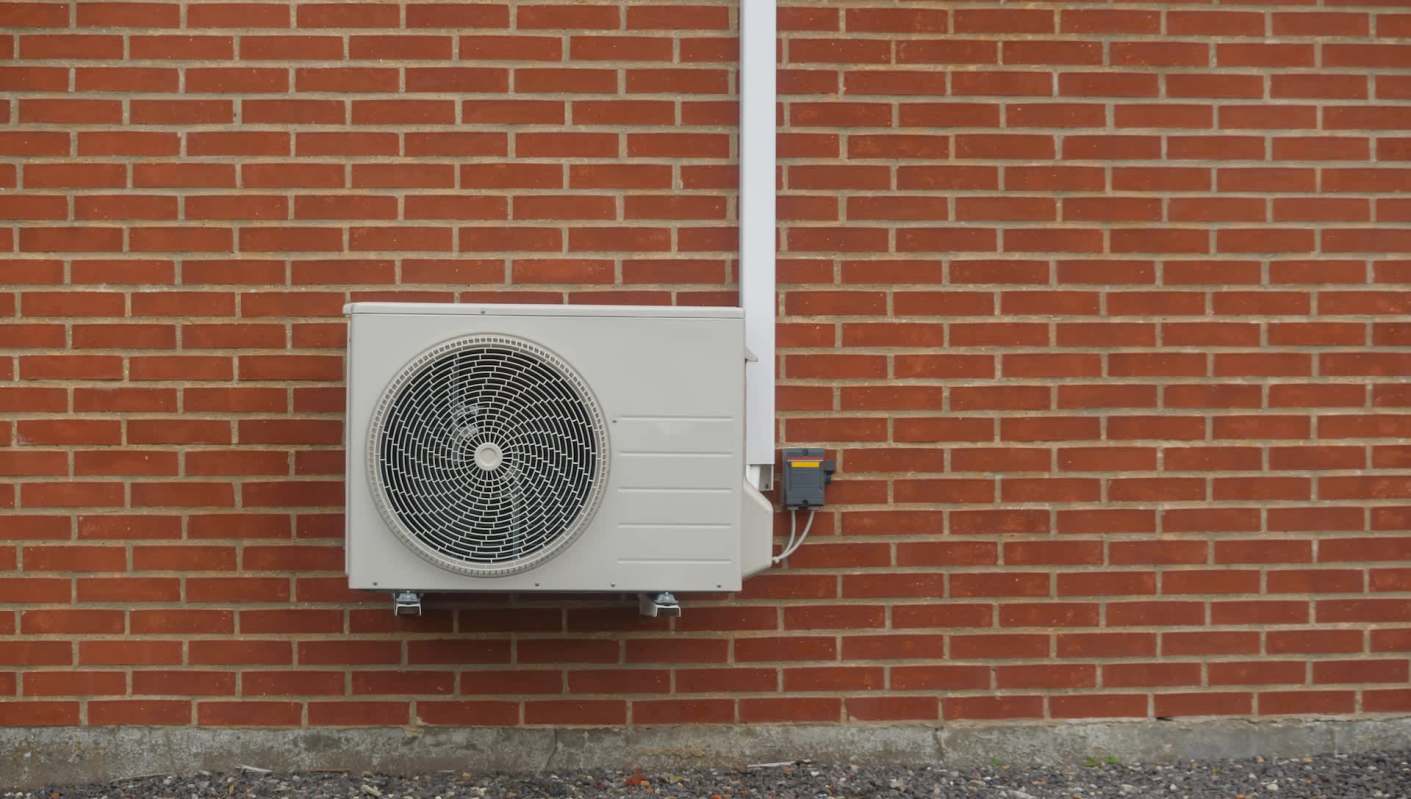
A has-it-all HVAC system developed in China cuts energy costs and grid reliance with a smorgasbord of sustainable features.
Solar panels, wind turbines, and two kinds of heat pumps are part of the setup tested by experts at Shenyang Jianzhu and Shanghai Jiao Tong universities at a low-energy residential building in northeastern China.
Advanced computing helps to manage incoming renewable energy and how it powers the heat pumps, according to details published in the journal Energy.
"The integration of renewable energy generation and heat pump systems has the potential to achieve the zero-energy goal of building energy systems," the experts wrote.
It's a showcase for how solar panels and wind can effectively power heat pumps to more sustainably warm and cool buildings in any country.
More than half of the energy used in American homes is used for climate control, with 47% of dwellings using natural gas as the fuel, according to the U.S. Energy Information Administration.
For their part, heat pumps are up to five times more efficient than gas boilers, the International Energy Agency added.
That's why modern models, such as ductless mini-splits, are increasingly popular. They are often cheaper than other kinds and can work in older homes and colder climates.
Find the best HVAC solution to heat and cool your home more efficiently Mitsubishi Electric’s efficient heating and cooling HVAC solutions can help you stay comfortable no matter the weather or region. You can even regulate temperatures in each room with individually controlled all-electric heat pump systems. With an energy-efficient, all-climate system from Mitsubishi, you can reduce the amount of energy needed to heat and cool your home, receive up to $2,000 in tax credits, and get peace of mind knowing you’re choosing rigorously tested, high-quality products. |

Mitsubishi's experts can help you through the complicated process of finding the right kind for your house at the right price.
The Chinese universities reported that energy costs were cut by 55% and grid reliance by 75% with the hybrid system.
|
Which of these factors would most effectively motivate you to buy a heat pump? Click your choice to see results and speak your mind. |
 Lower energy bills 💰
 Shenyang is a good testing ground, as the region has frigid winters and hot summers. The two-story, 3,600-square-foot building also has a battery and a water tank with a special solution that stores thermal energy from the sun and wind.
It all powers two versions of HVAC tech — a ground-source heat pump and an air-source model, per Interesting Engineering.
Both move warm air — either from shallow underground trenches or from ambient air — inside or outside of a building, depending on the season. They use compressors, piping, and refrigerants to work, the IEA detailed.
Mini-splits are typically the cheapest option, at as low as a couple of thousand dollars. Large systems and geothermal installations can cost up to $20,000.
Mitsubishi's trained team has the expertise to find you a deal that works for your budget and a nearby professional who can install the model that's best for your situation.
In China, the project is part of the international effort to expand sustainable energy, with the goal of reducing smog that is increasing health risks for our lungs, hearts, and even minds.
"The research finding shows that the energy interaction management strategy is effective," the team wrote in its study report.

Get TCD's free newsletters for easy tips to save more, waste less, and make smarter choices — and earn up to $5,000 toward clean upgrades in TCD's exclusive Rewards Club.
Cool Picks





