


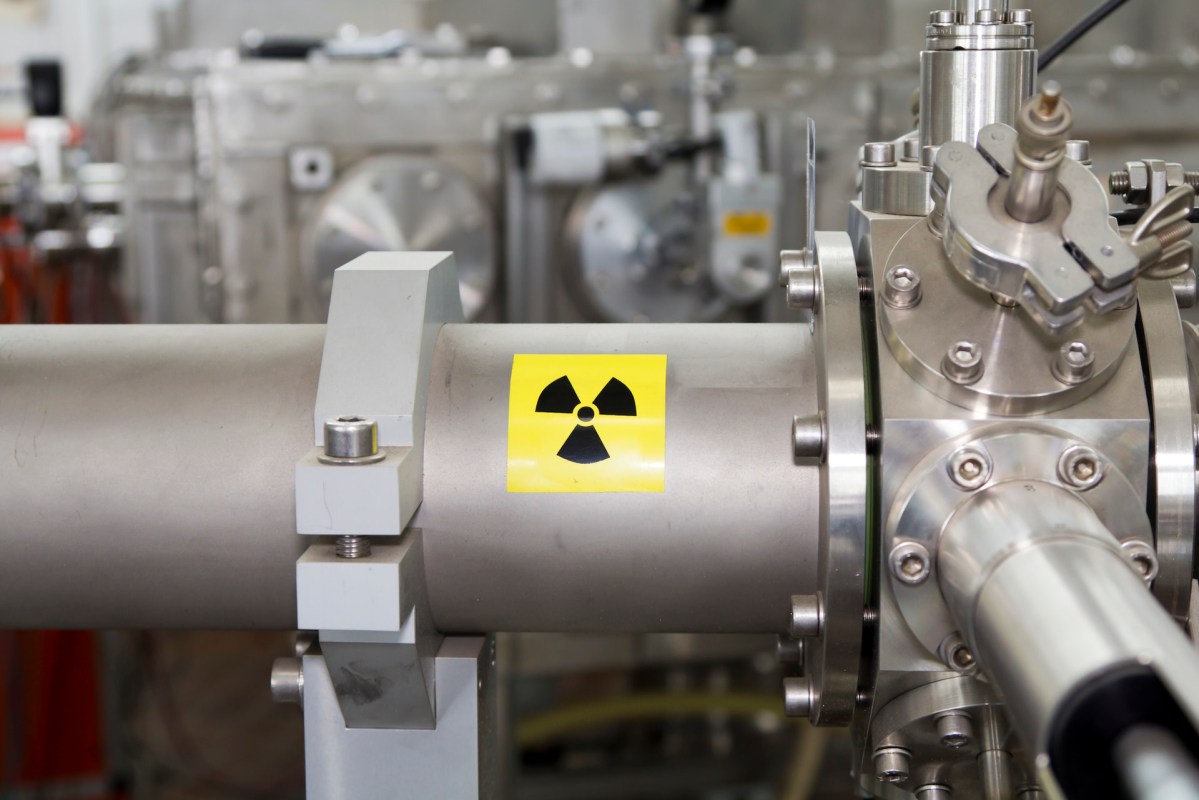
As China continues to research nuclear fusion technology, its largest reactor has cleared a major milestone that could be a turning point in the race for clean, affordable energy for all.
According to Interesting Engineering, China's Experimental Advanced Superconducting Tokamak, or EAST, set a new world record in terms of duration of a certain type of operation at or above a key threshold temperature.
As the news outlet reported, EAST became the first fusion reactor to achieve "steady-state, long-pulse H-mode plasma operations" at a temperature above 100 million degrees Celsius (180 million degrees Fahrenheit) for 17 minutes and 46 seconds, setting a new benchmark for the technology.
A tokamak is a form of fusion reactor, shaped like a donut. It contains plasma held in place and superheated by electromagnets on either side via a twisted electromagnetic field, which allows the conditions for fusion to take place in the plasma. This type of fusion can produce massive amounts of energy in the same sort of reaction that takes place in the sun, which is why EAST is often called China's artificial sun.
Nuclear fusion, put simply, is the process of combining two lighter nuclei into one heavier one while releasing tremendous energy — as the International Atomic Energy Agency has explained.
If successful, a fusion reactor would produce massive amounts of fully clean energy, without heat-trapping carbon pollution or the dangerous, long-lived radioactive waste that comes from fission reactors.
That promise is why officials in the U.K. have fast-tracked the development of a fusion reactor, and why the U.S. Department of Energy is investing in new types of walls to contain the reaction. Fusion is the key to sustainable, affordable, clean energy, and whoever cracks it first will have a massive leg up in the race to power the future.
However, achieving the kind of power needed requires a long-term, steady-state reaction burning at high temperatures. So far, no one has achieved that consistently with any of the reactors in development, which makes EAST's milestone significant.
"This achievement not only verifies the feasibility of steady-state operation for fusion reactors but also marks a major turning point in fusion research from basic scientific exploration to engineering practice, which has important scientific significance and engineering application value for promoting the development of global nuclear fusion energy," the researchers said in a press release cited by Interesting Engineering.
If Chinese researchers can continue to press the cutting edge of this technology, a fully operational fusion reactor could be closer than we think.
TCD Picks » Quince Spotlight
💡These best-sellers from Quince deliver affordable, sustainable luxury for all




|
Should the government be allowed to control how restaurants run their business? Click your choice to see results and speak your mind. |
 Never 👎
Join our free newsletter for weekly updates on the latest innovations improving our lives and shaping our future, and don't miss this cool list of easy ways to help yourself while helping the planet.
Cool Picks





