


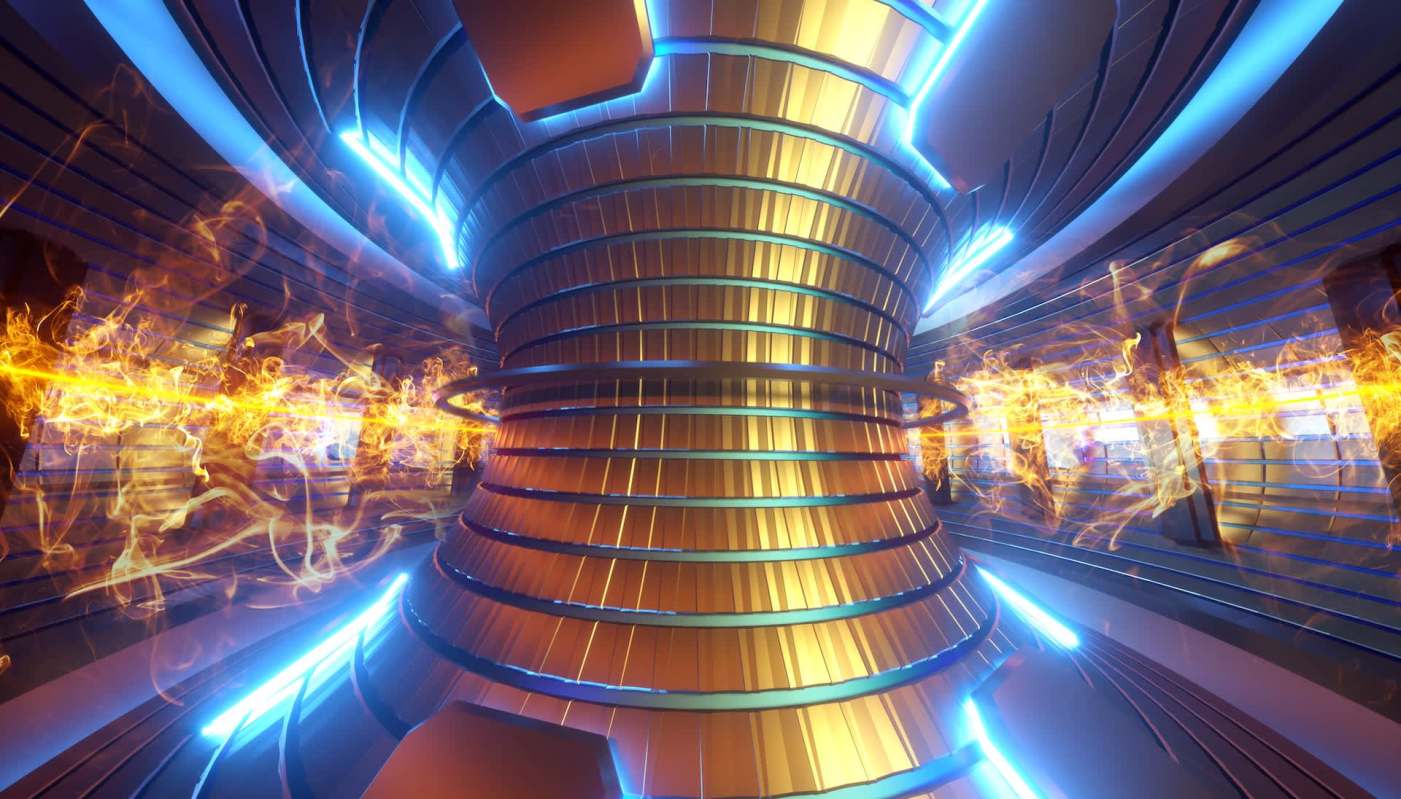
China's Burning Plasma Experimental Superconducting Tokamak fusion facility (BEST) has entered a new construction phase as it speeds toward its 2027 target completion date.
The state-run nuclear fusion facility has installed the Dewar base, a large and critical structural component of the reactor that will eventually shoulder over 6,500 tons of equipment, according to an Interesting Engineering report.
"Weighing over 400 tonnes, measuring about 18 meters in diameter, and 5 meters in height, the Dewar base is not only the heaviest single component of BEST's main machine, but also the largest vacuum component ever produced in China's fusion research field," the researchers explained in a report by the state-run China Internet Information Center.
The Dewar is a large, vacuum-insulated vessel that houses the reactor's superconducting magnets, which must operate at minus 269 degrees Celsius to confine plasma heated to over 100 million degrees, the report explained.
Fusion reactors are seen as a key technology in reaching net-zero emissions goals by 2050.
Energy is released by fusing two atomic nuclei to form a new, heavier atom in a process similar to the one that occurs naturally inside the sun.
TCD Picks » Quince Spotlight
💡These best-sellers from Quince deliver affordable, sustainable luxury for all




These reactors hold the promise of a virtually unlimited supply of energy, and numerous installations across the globe are racing to reach that goal.
Fusion could be the ideal complement to other sustainable energy sources, such as solar and wind, helping lower utility costs and drastically reduce dirty fuels for a safer, cleaner future.
The World Economic Forum shared that fusion could surpass coal — which generates 34% of global electricity — as the world's leading power source.
Additionally, fusion reactions are considered safe and can run 24/7 by using hydrogen isotopes derived from seawater as fuel, without generating planet-warming gases.
|
Should we be pouring money into nuclear fusion technology? Click your choice to see results and speak your mind. |
 Yes — it'll pay off 👍
 A 1,000-megawatt coal-fired power plant requires nearly 3 million tons of coal per year, while a fusion plant with the same output would only need about 250 kilograms of fuel per year.
Unlike nuclear fission, fusion reactors do not produce long-lived radioactive waste — another point in favor of environmental sustainability.
While many facilities are looking to be the first to demonstrate the clean, energy-generating power of fusion reactions, BEST researchers have stated their own simple objective: to be the first to light up a bulb with nuclear fusion-generated electricity by 2030.

Join our free newsletter for weekly updates on the latest innovations improving our lives and shaping our future, and don't miss this cool list of easy ways to help yourself while helping the planet.






