


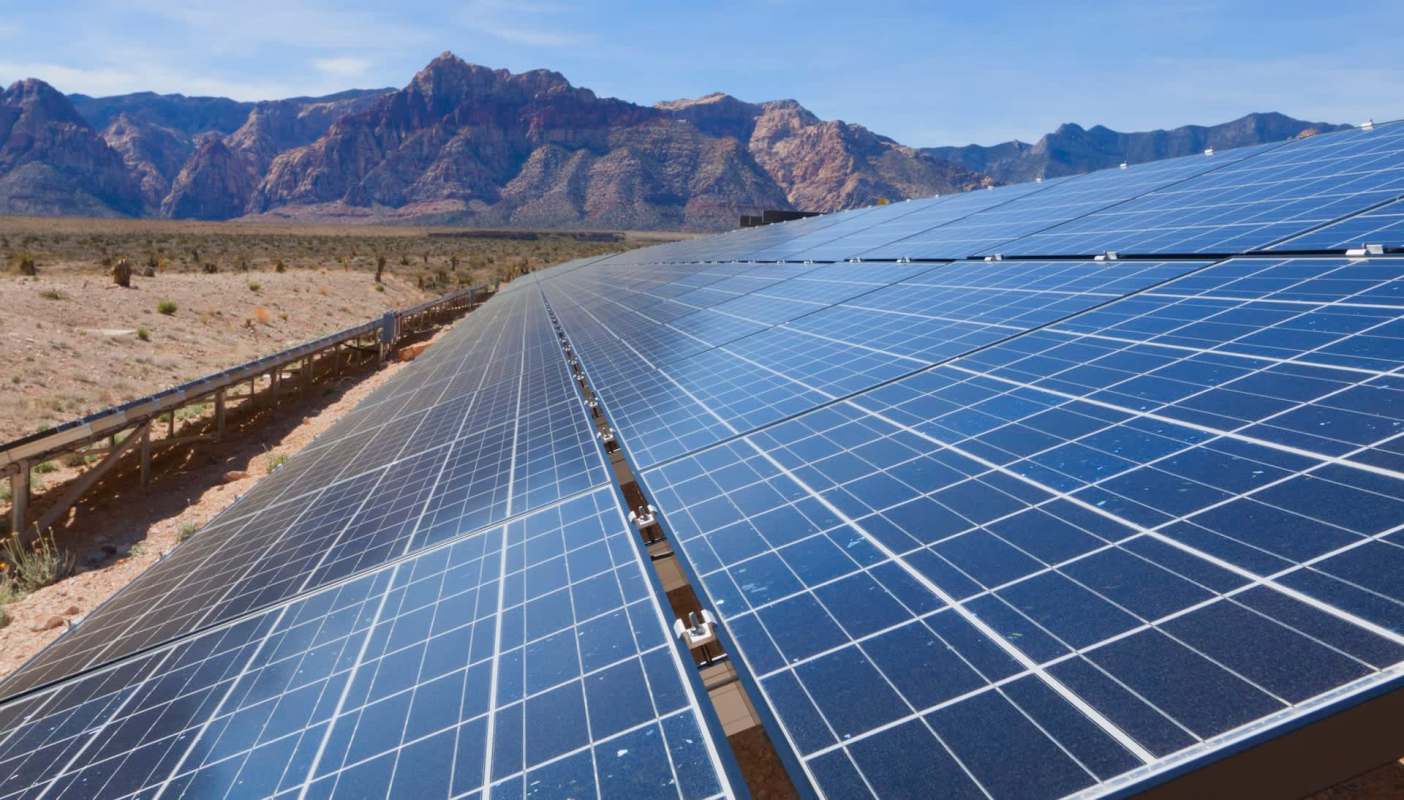
As Californians contend with mounting electricity bills, state lawmakers are pushing a package of clean energy bills toward final votes.
The measures could make it easier for renters, homeowners, and entire communities to access lower-cost power through balcony solar, shared solar projects, and batteries.
Here's what to know
Pv magazine USA reported that several notable energy bills have cleared fiscal committees in Sacramento and are now headed to floor votes.
Taken together, the proposals are intended to expand smaller, more flexible energy options that can ease pressure on the grid while helping reduce monthly utility bills.
Senate Bill 868 from Sen. Scott Wiener would let residents plug balcony solar systems of up to 1,200 watts into standard household outlets, avoiding the usual utility hookup filings and local permit process.
Another proposal, Assembly Bill 1813 from Assemblymember Christopher Ward, would revise how community solar and storage projects are valued.
TCD Picks » Quince Spotlight
💡These best-sellers from Quince deliver affordable, sustainable luxury for all




Sen. Josh Becker also advanced two virtual power plant bills. Senate Bill 913 would create a valuation framework for behind-the-meter batteries that send electricity back to the grid during periods of high demand, while Senate Bill 905 would establish a grid utilization metric showing which existing distribution circuits can take on more demand without requiring grid expansion.
One major proposal stalled: Assembly Bill 1787 would have required utilities to give customers live access to smart-meter data.
More background
The push for these bills comes as California electricity prices keep climbing. Rates in the state have doubled, making lower-cost energy alternatives more appealing.
For apartment residents in particular, plug-in solar could provide an option that rooftop systems often do not. One 400-watt balcony solar system could cover about 14% of a typical apartment's electricity use and lower costs by roughly $250 a year.
Aurora Energy Research modeled 5.4 gigawatts of community solar and storage over 20 years as delivering $6.5 billion in electricity savings across the system. A UCLA study separately found that regulators had a valuation tool available for years but did not use it to create a workable compensation model for community solar.
CALSSA Executive Director Brad Heavner said, "Expanding the size of grid equipment to serve a small number of hours of higher usage wastes ratepayer dollars."
What's being done?
The bills still need final approval in their respective chambers before they can reach Gov. Gavin Newsom's desk, but the committee votes suggest growing momentum for policies focused on distributed energy rather than relying solely on large utility-scale investments.
If SB 868 becomes law, renters and condo residents could have a much simpler path to generating some of their own electricity.
If AB 1813 passes, more households could eventually subscribe to community solar projects paired with batteries, with stored energy available in the evening when demand — and prices — are highest.
Lawmakers added more money to the Demand Side Grid Support program, allowing participation to continue through the 2026 season after funds had nearly run dry. That could allow more customer-sited batteries and devices to help stabilize the grid.
Brandon Garcia, California director at Advanced Energy United, said it was "reckless to leave consumers in the dark about how much energy they're using and when they're using it."
Garcia also called the committee action "a big win for Californians," adding that the battery-focused measures are "about giving consumers more control over their energy use and making better use of the grid we already have."

Get TCD's free newsletters for easy tips, smart advice, and a chance to earn $5,000 toward home upgrades. To see more stories like this one, change your Google preferences here.






