


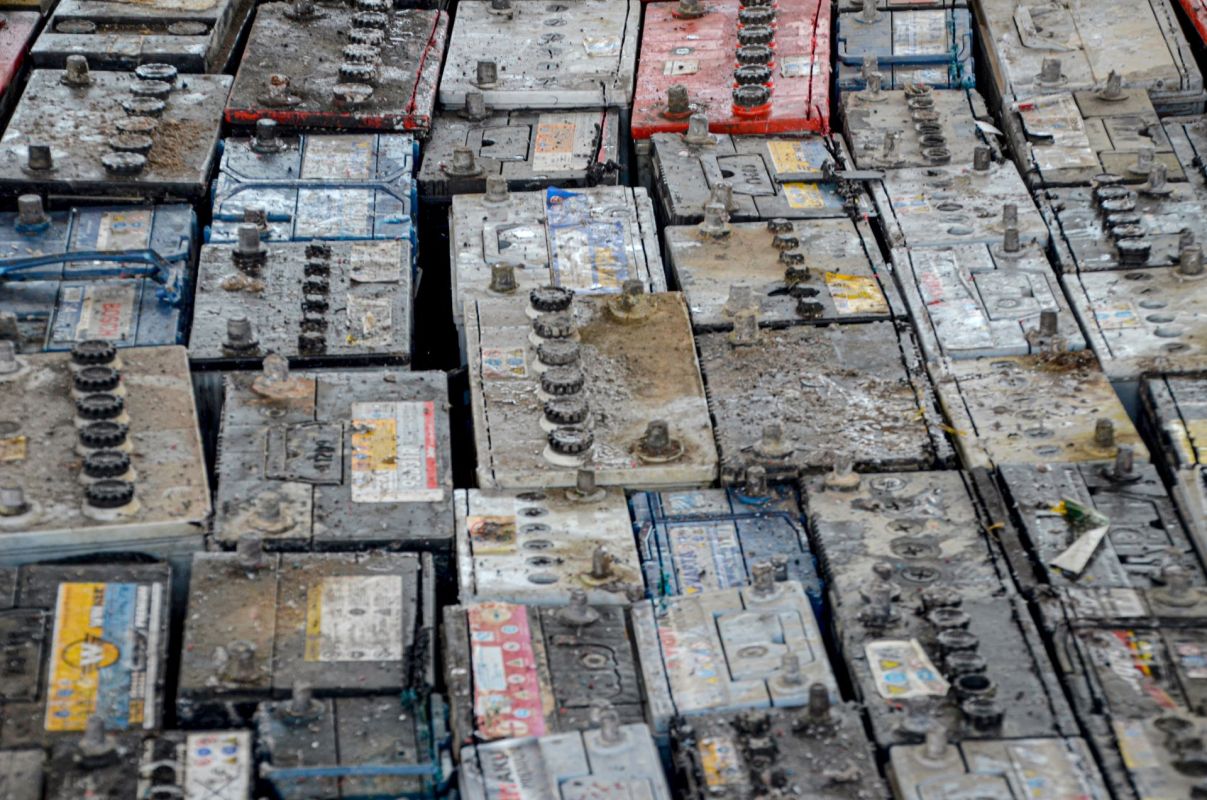
Boston College experts are playing the part of meal planners for unique bacteria that could revolutionize how we handle electronic waste.
Their dinner guest is Acidithiobacillus ferrooxidans, or Atf. According to a news release from the college, it can chow down on spent batteries with a side of iron.
"This is a critical step forward by examining the possibility of growing the bacteria using materials already present in spent batteries as a food source," Professor Dunwei Wang said.
There's a growing number of batteries being made to power all the tech, from electric vehicles to induction stoves, in our lives. The International Energy Agency estimated that 20 million EVs are expected to be sold globally this year, for example.
As the Institute for Energy Research reported, batteries can leak toxic substances when they are improperly discarded. Only about 5% of the world's lithium-ion packs are recycled.
Analysts from Markets and Markets estimated the global battery recycling business to be worth $54.3 billion by 2030. That's why Mercedes-Benz and other companies are investing in plants to safely process old packs.
The Boston bacteria might literally take a bite out of the share. The team found that the microbe eats iron or stainless steel battery casing materials while leaching cathode materials from the packs. The release wasn't clear about which battery chemistries the bacteria can consume best.
"The finding that stainless steel worked better than pure iron was indeed a surprise," Wang continued. "This is because stainless steel is a complex mixture. We didn't expect it to work so well. But this is a notable unexpected development as stainless steel is more commonly encountered in real batteries."
Cathodes are one of two electrodes in a battery. They're often made from expensive and hard-to-gather metals like nickel and manganese. Researchers around the world are at work developing cheaper, better materials for use in lithium iron phosphate and other pack types.
Sustainability by Numbers reported that the shift to cleaner technology will need tens of millions of tons of mineral deposits. Recycling the components can help to reduce mining and processing.
TCD Picks » Quince Spotlight
💡These best-sellers from Quince deliver affordable, sustainable luxury for all




At most, it's still far less than the 16.5 billion tons of dirty fuels that we pull from Earth annually. Burning those nonrenewable resources releases heat-trapping air pollution that makes extreme weather and heat waves more frequent and severe, NASA researchers and other experts have said.
|
Do you throw your old batteries in the trash? Click your choice to see results and speak your mind. |
 Yes — always 😬
 Upgrading to an EV is a great way to reduce harmful tailpipe pollution in your neighborhood. EV owners save about $1,500 in gas and service costs yearly with no more pesky oil changes. Many states offer perks for buying and charging the rides.
TCD's Solar Explorer can help you land a home array that can provide free solar energy for recharging. The tool curates quotes, identifies the best installers, and can save you up to $10,000 in upfront costs.
Next up for the Boston researchers is more bacteria meal prep. They plan to build a battery with the recycled materials to prove they can work in new cells, according to the college.
The goal is to prove that bacteria-processed parts "offer the same performance advantages as traditional batteries constructed from new materials," the release stated.

Get TCD's free newsletters for easy tips to save more, waste less, and make smarter choices — and earn up to $5,000 toward clean upgrades in TCD's exclusive Rewards Club.
Cool Picks





