


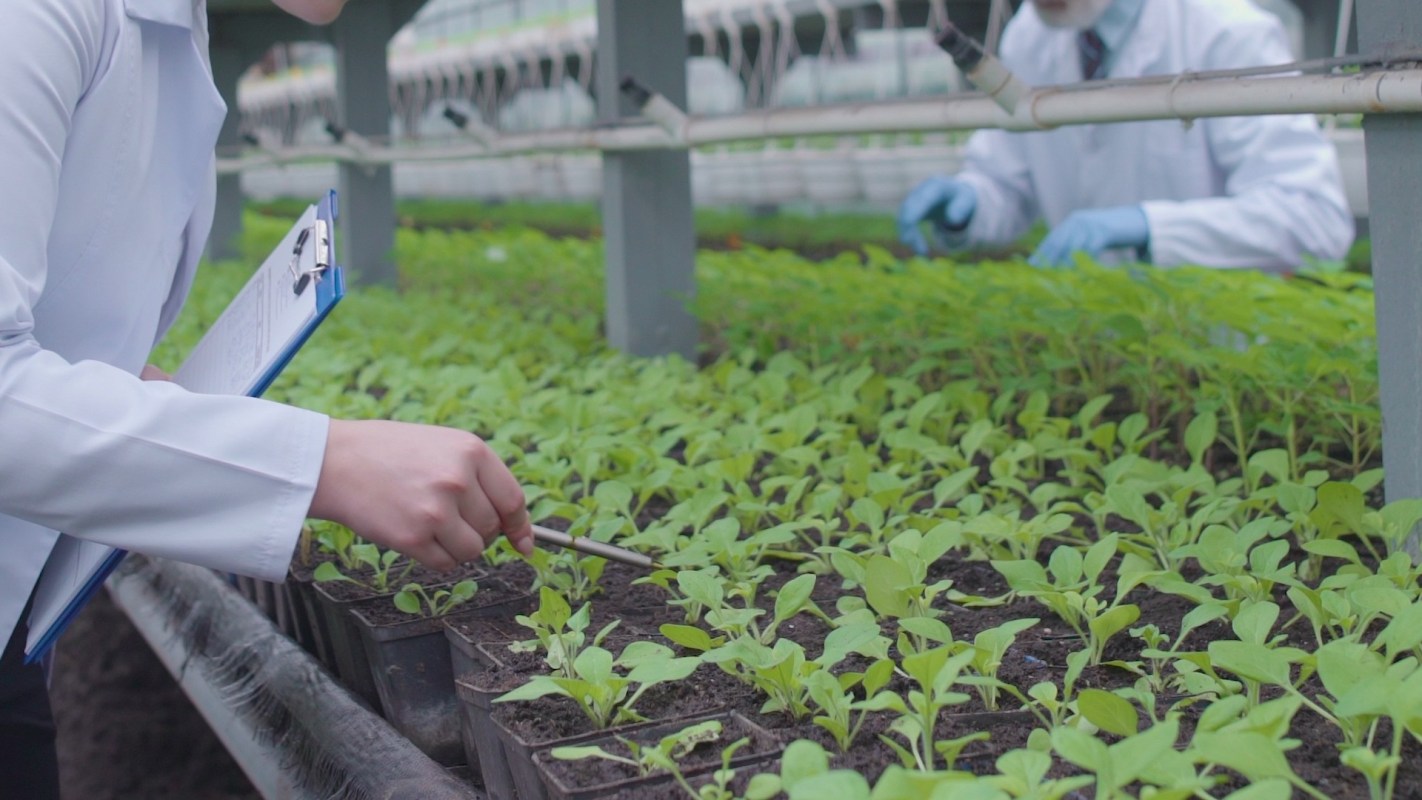
Avid gardeners concerned about contaminants are likely aware that many popular gardening products contain harsh chemicals or plastics, such as landscape fabric and rubber mulch.
Unlike landscape fabric, which is largely ineffective, mulch films are useful for combating pests and encouraging plant growth. But they're typically made of plastic, which breaks down into microplastics, and is of particular concern for folks who grow their own food.
However, new research published in the American Chemical Society's journal, ACS Agricultural Science & Technology, highlighted a potential breakthrough in mulch film technology, using cellulose acetate, a biopolymer.
Under many conditions, cellulose acetate breaks down more quickly and efficiently than standard plastics. It repels unwanted moisture, a trait known as hydrophobicity.
Researchers created a biodegradable form of cellulose acetate infused with citronella oil, a well-known natural insect repellent generally recognized as safe.
This newly developed biodegradable mulch film addresses myriad gardening problems that are often solved with plastic or chemicals. It suppresses weed growth, controls pests, and reduces irrigation needs in one fell swoop.
According to the ACS, researchers fabricated several mulch film prototypes using "varying concentrations of citronella oil" and determined that the inclusion didn't compromise the material's durability or flexibility.
To test the citronella-infused mulch films, researchers used strawberry plants — a crop known for attracting unwanted pests — and whiteflies, a breed of insect extremely fond of strawberry plants, with a control set of plants protected only by conventional mulch films.
At the end of the study period, the authors observed that whiteflies had successfully deposited an average of six eggs per plant protected with citronella-infused mulch film, whereas rates in the control group were found to have "exceeded 30 eggs."
Camila Gil, corresponding author of the study, said in the Phys.org article that the findings had far broader implications for cleaner, greener agriculture.
TCD Picks » Quince Spotlight
💡These best-sellers from Quince deliver affordable, sustainable luxury for all




|
What is the biggest reason you don't grow food at home? Click your choice to see results and speak your mind. |
 Not enough time ⏳
 "This research shows that it is possible to protect crops using biodegradable materials that reduce both pesticide use and plastic pollution. Our goal is to bring farmers closer to safer and more sustainable agricultural practices," Gil explained.
While it can be a long road from the lab to a garden center, the discovery was indeed promising for commercial and home gardeners alike, particularly those concerned about the health impact of microplastics.
For the time being, there are still many simple, affordable ways to control weeds and pests without plastic or potentially harmful chemicals.

💰Get TCD's free newsletters for easy tips to save more, waste less, and make smarter choices — and earn up to $5,000 toward clean upgrades in TCD's exclusive Rewards Club.
Cool Picks





