


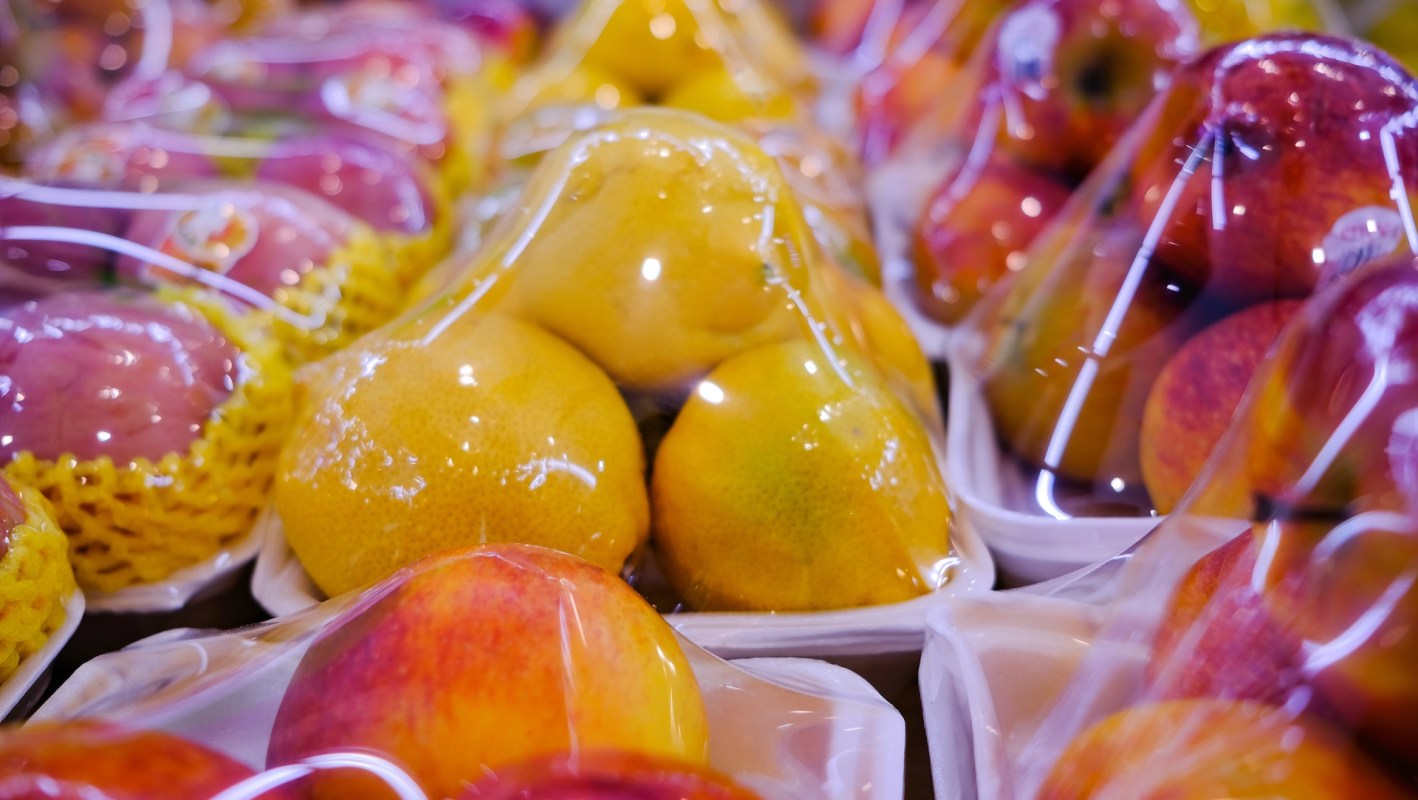
Researchers have developed a newly designed biodegradable plastic alternative film using milk protein as its core ingredient.
According to a write-up in ScienceDaily, citing analysis published in Nature, up to 60% of plastics are single-use. After disposal, they can persist for generations and leach chemicals into the environment, posing health risks and contributing to higher waste-management fees.
The conundrum, though, is that packaging plays a significant role in food security, preventing spoilage. Without it, more food could end up rotting in landfills instead of reaching people in need.
With plastic production surging by hundreds of millions of tons since the 1950s, the race has been on to develop effective, affordable, and safer packaging. Natural ingredients in emerging solutions include beetroot peel extract, seaweed, crustacean shells, and, now, milk protein.
The researchers, who published their findings in the journal Polymers in 2025, mixed calcium caseinate with a modified starch and bentonite nanoclay to begin forming their plastic alternative, according to a 2025 news release from the university. Adding glycerol and polyvinyl boosted durability and flexibility.
"The entire formulation was designed to use inexpensive ingredients that are biodegradable and environmentally friendly to create a sustainable alternative with enhanced characteristics," said Nikolay Estiven Gomez Mesa in the release. The chemical engineering researcher based in Colombia was the lead author of the study.
Importantly, microbial testing showed that bacterial colony levels did not exceed acceptable limits as the milk-based film naturally broke down in soil over an estimated 13 weeks.
According to the researchers, this suggested that the biodegradable film was low-toxicity. Their recommended next steps include additional antibacterial evaluations.
"Everyone can play a part in reducing their plastic use, and finding biodegradable polymer alternatives is an important part of science helping to find solutions," co-author Alis Yovana Pataquiva-Mateus of Universidad de Bogotá Jorge Tadeo Lozano said in the release.
The researcher continued, "Most of our single-use plastic comes from food packaging, so these sorts of options should be explored further and join the circular economy revolution to conserve resources."
TCD Picks » Quince Spotlight
💡These best-sellers from Quince deliver affordable, sustainable luxury for all




|
Which of these savings plans for rooftop solar panels would be most appealing for you?
Click your choice to see results and earn rewards to spend on home upgrades. |
 Save $1,000 this year 💸
Get TCD's free newsletters for easy tips to save more, waste less, and make smarter choices — and earn up to $5,000 toward clean upgrades in TCD's exclusive Rewards Club.
Cool Picks





