


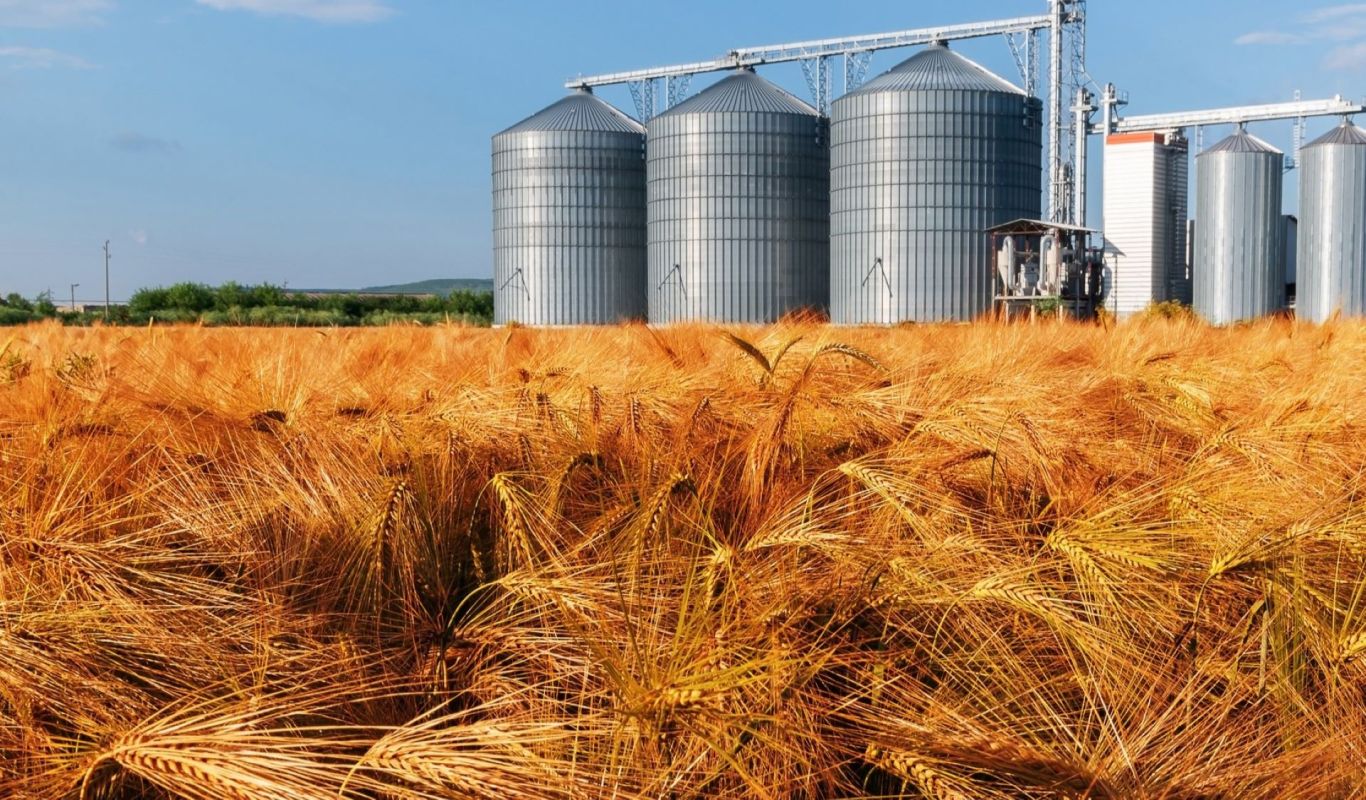
A recently discovered genetic mutation in barley allows the plant to flower earlier, increasing the crop's climate resilience.
Plants are struggling to keep up with rapidly rising global temperatures. Though plants adapt to changes in the climate, the process of adaptation takes many years. Because global temperatures are rising so quickly, few plants have been able to keep up, jeopardizing agriculture around the world.
Researchers at Martin Luther University Halle-Wittenberg hoped to find a new strategy for cultivating climate-resilient crops. The researchers crossed Barke barley, an established variety of barley, with various types of wild barley. The team focused on the EARLY FLOWERING3 (ELF3) gene, which plays a role in the development of the plant.
One of the wild varieties of barley had a mutation in the ELF3 gene that allowed the plants to flower earlier than established barley varieties. The barley flowered up to four days earlier than usual in field experiments and up to 18 days earlier than usual in greenhouse experiments.
Those few days can make a big difference; the earlier plants fully develop, the sooner they can be harvested, minimizing the chances of the crop being destroyed by harmful weather events.
Not only did the mutated barley start to flower earlier, but it produced the same crop yields as established barley varieties.
TCD Picks » Quince Spotlight
💡These best-sellers from Quince deliver affordable, sustainable luxury for all




"Crossing with natural varieties of barley is often accompanied by yield losses," said leader of the study Dr. Andreas Mauer. "Remarkably, this wasn't the case in our study."
The discovery means that barley can become climate-resilient in the face of rising temperatures. The changing climate will make it more difficult to grow crops as temperatures rise and extreme weather events increase in severity and frequency, so we need innovative solutions to the challenges ahead.
"By crossing with the natural variant, we found that barley could flower before a dry period sets in and thus deliver a higher yield than later-flowering varieties," said agricultural and food scientist and MLU doctoral candidate Tanja Zahn. "Such adaptations are necessary in order to secure the world's food supply in the face of global warming."

Join our free newsletter for weekly updates on the coolest innovations improving our lives and saving our planet.






