


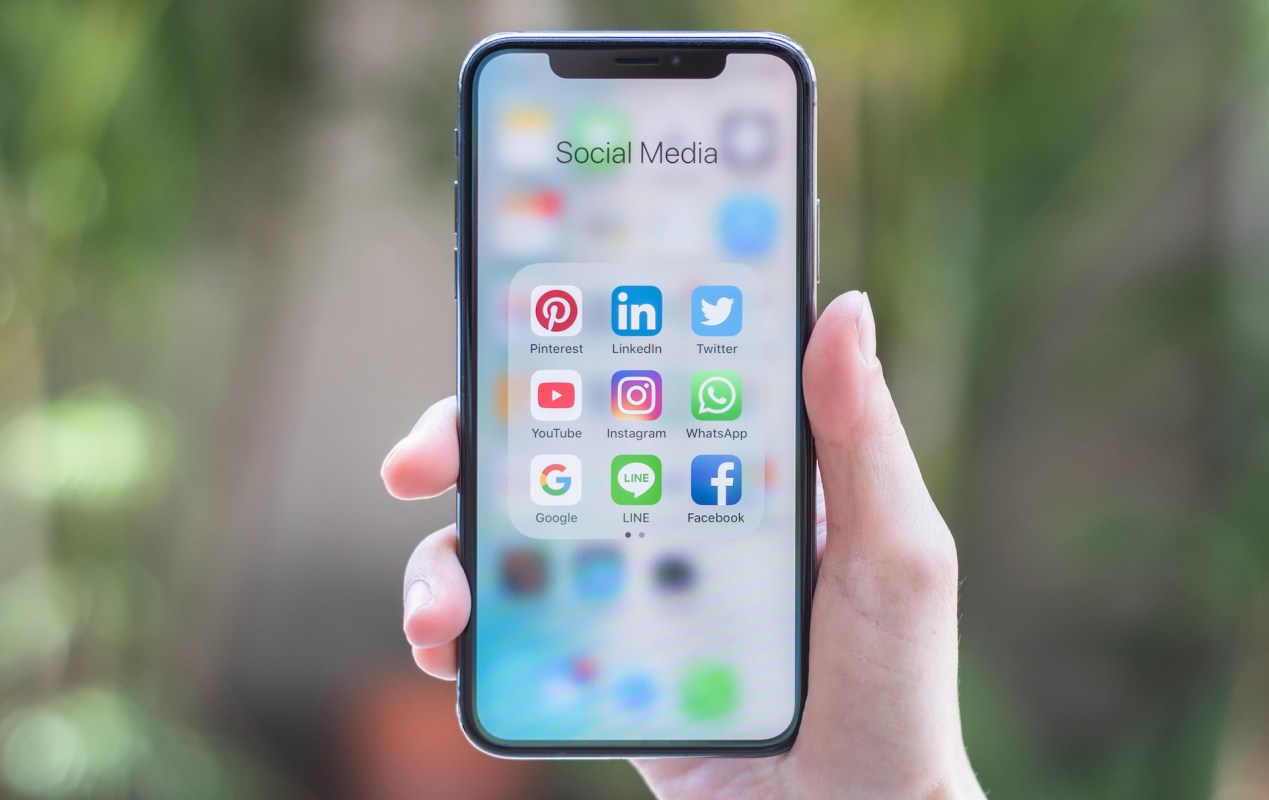
Apple has placed the iPhone X in the most restrictive stage of its product-support system, ending official repair options for a phone that helped shape the past decade of smartphones.
For people still using the device, International Business Times reported that means a cracked screen, worn-out battery, or faulty charging port could now put a working phone out of service for good.
Here's what to know
Apple's support documentation now lists the iPhone X as "obsolete," a change first noted by 9to5Mac and highlighted by IBTimes. Under that status, Apple and Apple Authorized Service Providers no longer offer hardware repairs or replacement parts for the phone. The 15-inch 2018 MacBook Pro was updated to the same category, the outlet added.
Apple generally does not mark a product obsolete until more than seven years after distribution stops, although the company controls the exact timing. In the case of the iPhone X, IBTimes said it launched in November 2017 and was off the market by September 2018, for a sales run of about 10 months.
That status is a step beyond Apple's "vintage" label. A vintage device can still sometimes be repaired, but only if parts are still available and service can be offered on a best-effort basis.
The iPhone X mattered because it changed Apple's flagship formula, as IBTimes noted. It brought Face ID and an OLED screen to the iPhone and moved the design away from the home button and Touch ID in favor of a notched display that stretched nearly edge to edge.
TCD Picks » Quince Spotlight
💡These best-sellers from Quince deliver affordable, sustainable luxury for all




More background
By the time repair support ended, the phone was already behind on software. The iPhone X cannot run Apple's newest operating system releases and remains on iOS 16.7.16, which IBTimes explained means users have also missed newer features and security updates.
Critics, including right-to-repair advocates and environmental groups, have long argued that policies like this add to unnecessary electronic waste. When a still-usable phone becomes effectively unsupported, the result can be more discarded devices, more mining and manufacturing tied to replacements, and more pressure on household budgets.
Apple's vintage and obsolete lists are updated across its hardware lineup, including iPhones, iPads, Macs, Apple Watches, and accessories, so IBTimes suggested other aging devices are expected to lose support over time as well.
What can be done?
For iPhone X owners hoping to keep their phones running, independent repair shops are now the main option. Before paying for a fix, it may help to compare repair costs with the price of a refurbished newer model that still receives software support.
Users still relying on an iPhone X should also back up their data, check battery health, and think carefully about their security needs. If a phone no longer gets current patches, it may be a less ideal choice for mobile banking, sensitive work, or storing important personal information.
If a replacement becomes necessary, buying refurbished instead of new can help reduce costs and cut waste. Trade-in and certified recycling programs can also help keep old electronics out of landfills while recovering valuable materials.

Get TCD's free newsletters for easy tips, smart advice, and a chance to earn $5,000 toward home upgrades. To see more stories like this one, change your Google preferences here.







